Astronauts on future space missions to eat food made from urine, air
ESA tests space food made from urine compound to feed astronauts on Mars
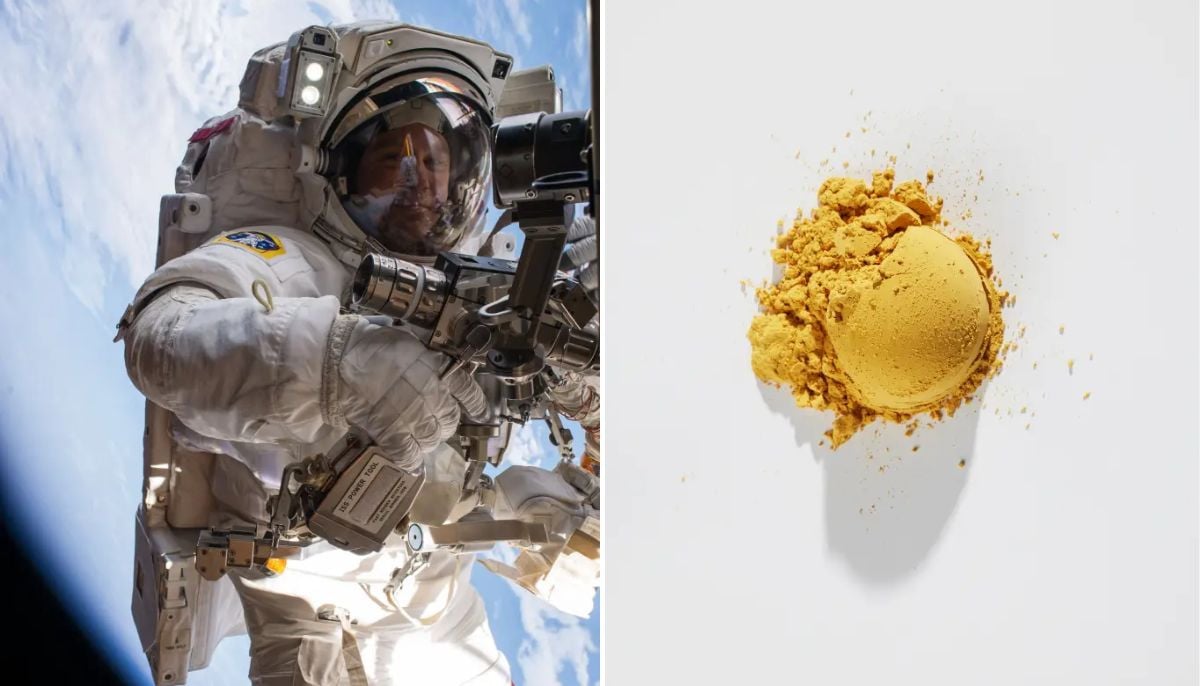
Astronauts on future space missions are expected to have a new kind of “space food” concocted from thin air and an organic compound found in urine: urea.
The space food, named Solein, is developed by a Finland-based start up called Solar Foods. Solein is developed through a gas fermentation process using microbes, air and electricity.
One of the key ingredients in the food is urea, which is an organic compound found in urine. It’ll provide much-needed nitrogen sources for protein synthesis in space.
According to European Space Agency’s chief exploration scientist Angelique Van Ombergen this project will help make human spaceflights more autonomous and resilient.
In an interview with The Independent, Ombergen said, “The future explorations to space, on moon and maybe someday on Mars, requires innovative and sustainable solutions to be able to survive with limited supplies.”
She added that ESA is trying to test if the powder can be manufactured in space thus building a key capability for future space missions with the project known as HOBI-WAN.
In an interview with Space(dot)com, Arttu Luukanen, senior vice president of space and defense at Solar Foods, said that they want to test if gas fermentation can help grow organisms in space just like it does on Earth.
Currently, astronauts rely on food developed on Earth; however, for longer-duration missions this would be expensive and in some cases practically impossible.





-
 Megan Thee Stallion's latest hospitalization echoes 2020 shooting trauma
 -
 Why did Luke Combs think his career was over when he met Blake Shelton?
 -
 Amanda Batula's dating history: 'Summer House' star new romance confirmed after past relationship ends in chaos
 -
 Lamar Odom makes darkest confession about Khloé Kardashian marriage
 -
 Kid Rock's controversy resurfaces after viral helicopter video triggers probe
 -
 Kane Brown, wife Katelyn spills their 'Beauty and the Beast' duet struggle
 -
 Khloe Kardashian recalls 'overwhelming guilt' over Lamar Odom heart attacks: 'I hid it'
 -
 Selena Gomez shares personal struggles with bipolar disorder
-
 Kanye West drops exciting news for UK fans after 11 years
 -
Tom Felton taps into his inner Brit to deliver playful dig at 'Harry Potter' costar Daniel Redcliff
-
Laura Dern to lead drama series on Jeffrey Epstein scandal: Everything we know so far
-
Questions raised about Kash Patel's girlfriend after 'dance video' goes viral