
Canada PM says apologised to 'offended' Trump over tariff ad
Ad campaign prompted US president to raise tariffs on Canada
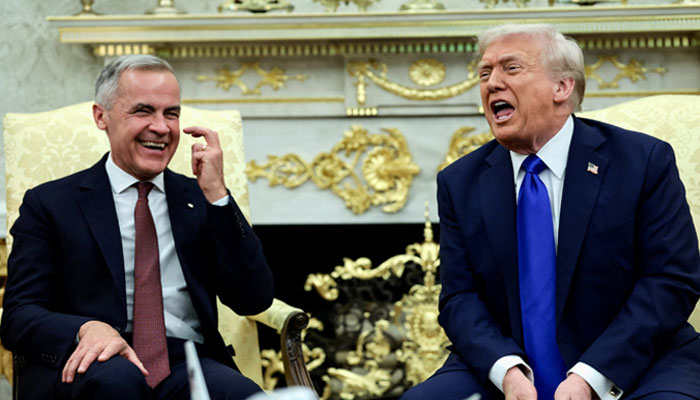
Canadian Prime Minister Mark Carney said Saturday he had apologised to Donald Trump over an anti-tariff ad campaign that prompted the US president to raise tariffs on Canada.
Trump last Saturday hiked tariffs on Canada by 10% after a "fake" anti-tariff ad campaign that featured late US president Ronald Reagan.
The US president flatly rejected any resumption of trade negotiations even after Carney said sorry for the ad.
"I did apologise to the president. The president was offended," Carney said on Saturday, while insisting he was relaxed about when talks would resume.
"After all the noise of this week, Canada still has the best trade deal of any country with the US," he said.
"We can spend our time watching Truth Social, worrying about the reactions of individuals. We are staying calm," he said.
"We'll wait until they're ready."
Meeting with Xi Jinping
Separately, the Canadian premier called his talks with China's leader Xi Jinping a "turning point" in restoring their battered ties, adding he raised tricky topics with Beijing like foreign interference.
Canada's relations with China have been among the worst of any Western nation, but on Friday Carney and Xi held the first formal talks between the countries' leaders since 2017, as both manage Trump's trade onslaught.
"This meeting marked a turning point in our bilateral relationship. We have now unlocked a path forward," Carney told reporters.
Xi also invited Carney to visit China.
A Canadian statement said that the leaders discussed "respective sensitivities regarding issues including agriculture and agri-food products, such as canola, as well as seafood and electric vehicles."
Carney said that he brought up alleged Chinese influence in Canadian elections, saying that it was "important to have that discussion" in order to get relations "back on track".
Ties fell into a deep freeze in 2018 after the arrest of a senior Chinese telecom executive on a US warrant in Vancouver and China's retaliatory detention of two Canadians on espionage charges.
Ottawa and Beijing have since engaged in tit-for-tat tariffs, including on Canadian canola, an oilseed crop used to make cooking oil, animal mea,l and biodiesel.




-
 China boosts reusable spacecraft capabilities by launching for the fourth time
 -
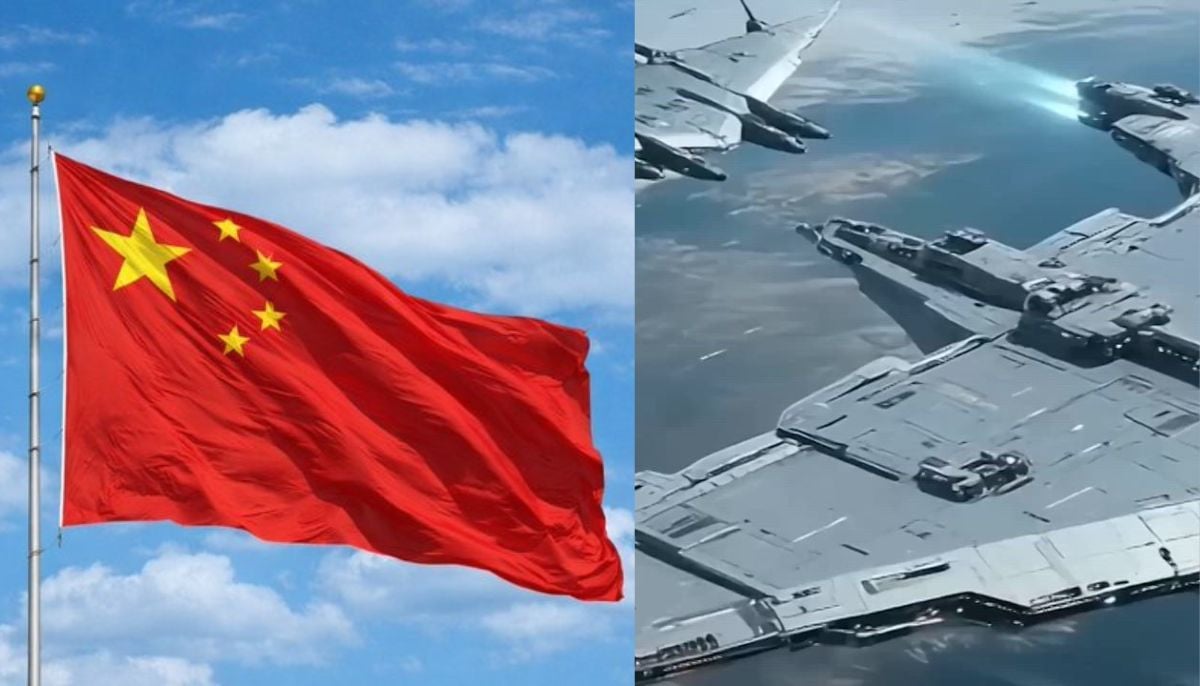 China unveils ‘Star Wars’-like missile warship for space combat
 -
 Trump refuses apology for video depicting Obama as apes amid growing backlash
 -
 US appeals court affirms Trump’s immigration detention policy
 -
 Epstein probe: Bill, Hillary Clinton call for public testimony hearing
 -
 Epstein ties: UK police search properties in probe into Peter Mandelson
 -
 Three killed, several injured after car crashes straight into Los Angeles supermarket
 -
 Inside Jeffrey Epstein's troubling final days before suicide