Scientists hint cancer fueling factors among millennials
Researchers probe modern life's exposures as 'Nightmare' cancer rates climb among young
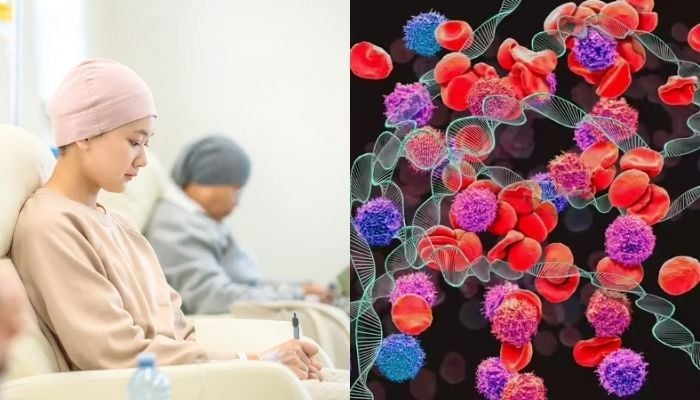
The American Association for Cancer Research finds an alarming surge in cancer diagnoses among younger adults is driving a major shift in scientific research, with investigators now focusing on the exposome as a potential culprit behind the trend.
New studies point to a provocative hypothesis shifts in everyday exposures, from medications during pregnancy and ultra-processed foods to circadian rhythm disruptions and synthetic chemicals.
Scientists identified a spike in cancer risk specifically linked to millennials, may be accelerating biological aging and priming the body for disease decades earlier than expected.
"The rates weren’t just increasing with age, they varied dramatically by generation," revealed Caitlin Murphy, a cancer epidemiologist at the University of Chicago.
Research presented at the American Association for Cancer Research meeting found that millennials are aging biologically faster than previous generations, an acceleration associated with a up to 42% increased risk for certain cancers.
The findings connect with an analysis of federal data showing a 10% increase in cancer rates among 15- to 49-year-olds since 2000, with young women being disproportionately affected.
_updates.jpg)
Gary Patti, a professor at the Washington University School of Medicine in St. Louis, is leading efforts to decode the complex chemical exposures of modern life.
"We’ve changed what we’re exposed to considerably in the past few decades,” Patti expressed as per The Washington Post reports.
The professor’s lab uses mass spectrometry to scan blood samples for tens of thousands of chemicals at once.
In addition to that, one study linked a now-withdrawn anti-nausea drug to a 3.6-fold increase in colon cancer risk in adulthood.
The proliferation of ultra-processed foods is also scrutinized, with a 2023 BMJ study associating heavy consumption with significantly elevated risks of colorectal and breast cancer.
Further suspects include chronic disruption of circadian rhythms from artificial light and erratic schedules, declared a probable human carcinogen in 2007, and the pervasive presence of microplastics and "forever chemicals" found in the blood of 97% of Americans.


-
 Blake Lively, Justin Baldoni's legal case receives latest update
 -
 Olivia Munn raves about her 'Your Friends & Neighbors' costar James Marsden
 -
 Brian Cox launches savage attack on Johnny Depp
 -
 Misua, 'Drag Race: Philippines,' breathes her last at 27
 -
 Kelly Osbourne finds new love after Sid Wilson split
 -
 GTA 6 Trailer 3 may drop soon as fans count down
 -
 Kelly Osbourne, Sid Wilson 'unsurprising' breakup reason unveiled
 -
 Sharon Stone names 'best kisser' in Hollywood
-
 Todd Bridges divorces wife Bettijo B. Hirschi 3 months after announcing split
 -
Anna Faris breaks silence on doing 'dumb thing' ahead of 'Scary Movie' release: 'I'm shocked'
-
Britney Spears' 'completely inexcusable' DUI arrest becomes blessing in disguise?
-
Kristi Noem claims she was ‘blindsided by ‘crossdressing’ news: Insider talks suspicion