New study links air pollution to heightened dementia risk
Researchers say air pollution may result in dementia by causing inflammation and oxidative stress in brain
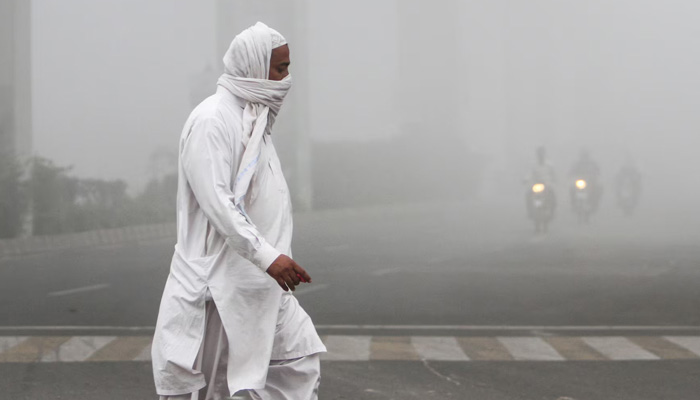
A groundbreaking study by the Medical Research Council’s Epidemiology Unit at the University of Cambridge has established a clear link between specific types of air pollution and an increased risk of developing dementia.
The research, conducted by scientists at the Medical Research Council's Epidemiology Unit at the University of Cambridge, provides compelling new evidence in the fight against a debilitating illness projected to affect 150 million people globally by 2050.
Published in The Lancet Planetary Health, the research analysed 51 previous studies, encompassing data from over 29 million individuals exposed to air pollutants for at least one year, The Guardian reported.
While air pollution had previously been identified as a potential risk factor, this new research establishes a positive and statistically significant association between three specific types of air pollutants and the onset of dementia:
PM2.5: Fine particulate matter originating from vehicle emissions, power plants, and woodburning stoves and fireplaces.
Nitrogen dioxide (NO2): A gas primarily produced from the burning of fossil fuels.
Soot: Another particulate matter derived from sources such as vehicle exhaust emissions and burning wood.
These microscopic pollutants can penetrate deep into the lungs when inhaled and are already known to cause respiratory disease and increase the risk of cardiovascular problems.
The study further revealed that for every 10 micrograms per cubic metre increase in PM2.5, an individual's relative risk of dementia rises by 1%. For soot, the risk increases by 13% for the same level of exposure.
Worryingly, levels of soot and PM2.5 in roadside locations across major UK cities — including central London, Birmingham, and Glasgow — approached or exceeded these thresholds in 2023.
Dr Haneen Khreis, the study’s senior author, emphasised that the findings offer "further evidence to support the observation that long-term exposure to outdoor air pollution is a risk factor for the onset of dementia in previously healthy adults."
She added that tackling air pollution offers wide-ranging benefits, including "long-term health, social, climate and economic advantages," and can "reduce the immense burden on patients, families, and caregivers, while easing pressure on overstretched healthcare systems."
Researchers suggest that air pollution may contribute to dementia by causing inflammation and oxidative stress in the brain, a chemical process that can damage cells, proteins, and DNA.
Despite the comprehensive nature of the review, the researchers acknowledged that most of the analysed studies featured predominantly white participants from high-income countries. They recommend that future research on air pollution include a more diverse range of participants from marginalised backgrounds.
Dr Isolde Radford, senior policy manager at Alzheimer's Research UK, said: "This rigorous review adds to mounting evidence that exposure to air pollution — from traffic fumes to wood burners — increases the risk of developing dementia.
"Air pollution is one of the major modifiable risk factors for dementia – but it's not something individuals can solve alone. That's where government leadership is vital. While the 10-year health plan acknowledges the health harms of air pollution, far more needs to be done to tackle this invisible threat."


-
 Who is Song Li? China puts her forward for WHO leadership role
 -
 CDC monitors travelers from Siberia after plague worker’s death, director says
 -
 Russia pushes back on plague death reports, defends WHO notification
 -
 WHO deems Russia plague risk 'low' following lab technician’s fatal illness
 -
 New York declares Measles state of emergency amid nationwide disease resurgence
 -
 First-of-its-kind treatment shrinks unborn baby’s tumour before birth
 -
 France steps up Ebola support in Congo as fears of resurgence grow
 -
 Vance’s fraud crackdown may raise health insurance costs for Americans
-
 One common mistake elevates blood pressure readings by 7 points, study warns
 -
Moderna loses US government license defense in patent case
-
Novo says new Ozempic shows lower cardiovascular risk compared with Lilly’s Mounjaro
-
University of Nottingham researchers say new gel could regrow tooth enamel in weeks