PM Shehbaz thanks US for brokering Iran-Israel truce, calls for deeper ties
In call with Shehbaz, Secretary Rubio emphasises Iran can never develop or acquire nuclear weapon, says State Dept
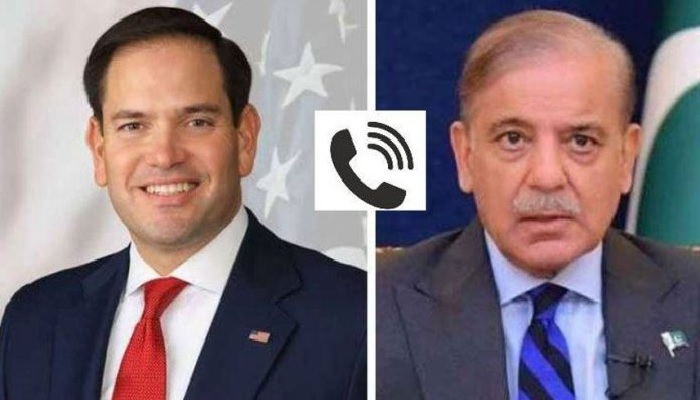
Prime Minister Shehbaz Sharif on Thursday appreciated US efforts, particularly President Donald Trump’s leadership, in securing a ceasefire between Iran and Israel.
His remarks came during a cordial phone call with US Secretary of State Marco Rubio, in which both sides discussed bilateral ties and regional developments.
According to an official release, the prime minister also thanked Secretary Rubio for Washington’s role in helping facilitate the Pakistan-India ceasefire, calling it a meaningful contribution to regional stability.
They agreed to continue working closely to strengthen Pakistan-US relations, with a focus on expanding trade and economic cooperation.
Discussing the wider Middle East situation, Shehbaz reaffirmed Pakistan’s commitment to playing a constructive role in promoting peace across the region.
Secretary Rubio welcomed Pakistan’s efforts and expressed the United States’ interest in collaborating to ensure long-term regional stability.
Meanwhile, US State Department spokesperson Tammy Bruce, in a statement issued later, said Secretary Rubio spoke today with PM Shehbaz regarding events in the Middle East.
"Secretary Rubio emphasised Iran can never develop or acquire a nuclear weapon. The two leaders acknowledged the importance of working together to promote a durable peace between Israel and Iran and maintain regional stability," Bruce added.
Iran-Israel conflict
Israel's bombing campaign, launched with a surprise attack on June 13, wiped out the top echelon of Iran's military leadership and killed leading nuclear scientists.
Iran responded with missiles that pierced Israel's defences in large numbers for the first time.
Iranian authorities said 627 people were killed and nearly 5,000 injured in Iran, where the extent of the damage could not be independently confirmed because of tight restrictions on the media.
Twenty-eight people were killed in Israel.
Israel claimed to have achieved its goals of destroying Iran's nuclear sites and missiles; Iran claimed to have forced the end of the war by penetrating Israeli defences.
During the war, both Israeli Prime Minister Benjamin Netanyahu and Trump publicly suggested that it could end with the toppling of Iran's entire system of clerical rule, established in its 1979 revolution.
But after the ceasefire, Trump said he did not want to see "regime change" in Iran, which he said would bring chaos at a time when he wanted the situation to settle down.
However, in both Iran and Israel, residents expressed relief at the end of the fighting, but also apprehension.


-
 Spain faces budget setback after parliament rejects 2027 spending plan
 -
 25 democratic States sue Trump Administration over disaster relief funds
 -
 Trump confirms Chinese President Xi Jinping to visit US on September 24
 -
 Bill O’Reilly offers crucial advice to President Donald Trump during Iran war
 -
 White House tracks OpenAI breach as lawmakers push emergency 'AI kill switch'
 -
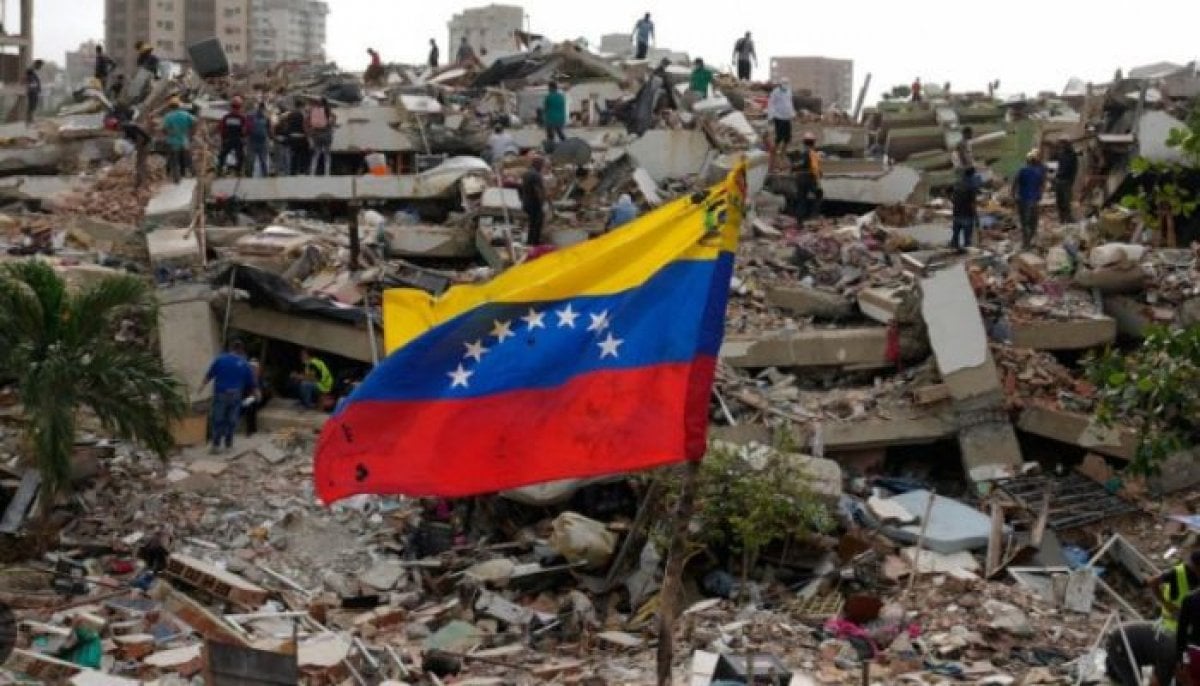 Venezuela earthquakes caused $19.6B in damage, $50B in rebuild: World Bank estimates
 -
 Multiple BC communities set new temperature records amid heat wave
 -
 China targets 50% growth in wind and solar power generation by 2030
-
 University of Toronto professor wins prestigious Fields Medal, known as the ‘Nobel Prize of Mathematics’
 -
Carney vows action as Canada prepares response to Trump’s 50 percent tariffs
-
Father jailed after failing to pay more than $37,000 in child support
-
Markwayne Mullin facing growing tensions with Trump White House, report says