
Taliban enforces smartphone ban in schools across southern Afghanistan
Decision made to ensure educational discipline, focus, says education department
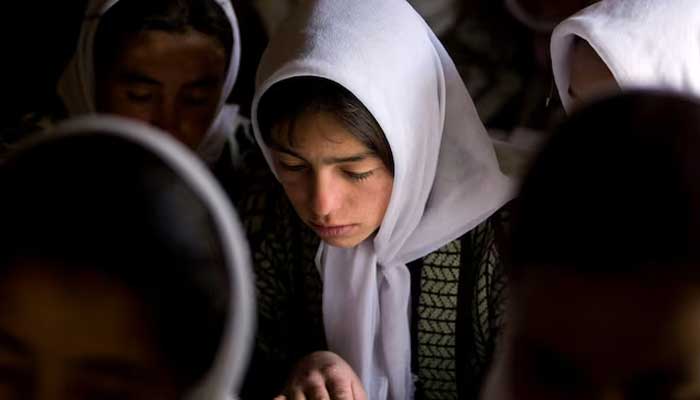
Taliban authorities have implemented a ban on smartphones in schools throughout southern Afghanistan, citing concerns over student focus and adherence to Islamic principles, according to confirmations from students and teachers on Wednesday.
The directive by the provincial Education Department in Kandahar applies to students, teachers and administrative staff in schools and religious schools.
"This decision has been made to ensure educational discipline, focus", the statement said, adding that it was taken from a "sharia perspective" and that smartphones contribute to "the destruction of the future generation".
The policy, which has already taken effect in schools across the province, has divided opinion among teachers and students.
"We did not bring smart phones with us to school today", Saeed Ahmad, a 22-year-old teacher, told AFP.
"I think this is a good decision so that there is more focus on studies," he added.
Mohammad Anwar, an 11th grader, said "the teachers are saying if anyone is seen bringing a phone, they will start searching the students."
Another 12th-grade student, refusing to give his name, said the ban would hinder learning in a country where girls are barred from secondary school and university as part of restrictions the UN has dubbed "gender apartheid".
"When the teacher writes a lesson on the board, I often take a picture so I could write it down later. Now I can't. This decision will negatively affect our studies."
'Complete ban'
The ban has also taken root in religious schools known as madrassas.
"Now there's a complete ban. No one brings smartphones anymore," Mohammad, 19 years old madrassa student said.
A number of countries have in recent years moved to restrict mobile phones from classrooms such as France, Denmark and Brazil.
The Taliban authorities have already introduced a ban on images of living beings in media, with multiple provinces announcing restrictions and some Taliban officials refusing to be photographed or filmed.
The Taliban's Supreme Leader Hibatullah Akhundzada called last week on officials and scholars to reduce their use of smartphones.
"This is the order of the leaders, and we must accept it," a 28-year-old security forces member told AFP without giving his name as he was not authorized to speak to the media.
"I have now found a brick phone ... I used WhatsApp on my smartphone sometimes, but now I don't use it anymore," he added.
Some Taliban officials in Kandahar have started sharing their numbers for brick phones and switching off online messaging apps.





-
 Savannah Guthrie mother case: Police block activist mom group efforts to search for missing Nancy over permission row
 -
 Shawn Levy recalls learning key comedy tactic in 'The Pink Panther'
 -
 Sarah Pidgeon explains key to portraying Carolyn Bessette Kennedy
 -
 Inside Nicole 'Snooki' Polizzi's 'private' marriage with husband Jionni LaValle amid health scare
 -
 Germany’s ruling coalition backs social media ban for children under 14
 -
 Quinton Aaron reveals why he does not want to speak to wife Margarita ever again
 -
 Why Mikaela Shiffrin celebrated Olympic Gold with Taylor Swift song?
 -
 Political tensions steal spotlight at Berlin Film Festival closing ceremony