Japan considers relaxing car safety rule for imports in US tariff talks
Japan has been hit with 24% levies on exports to US although these rates have been paused for 90 days
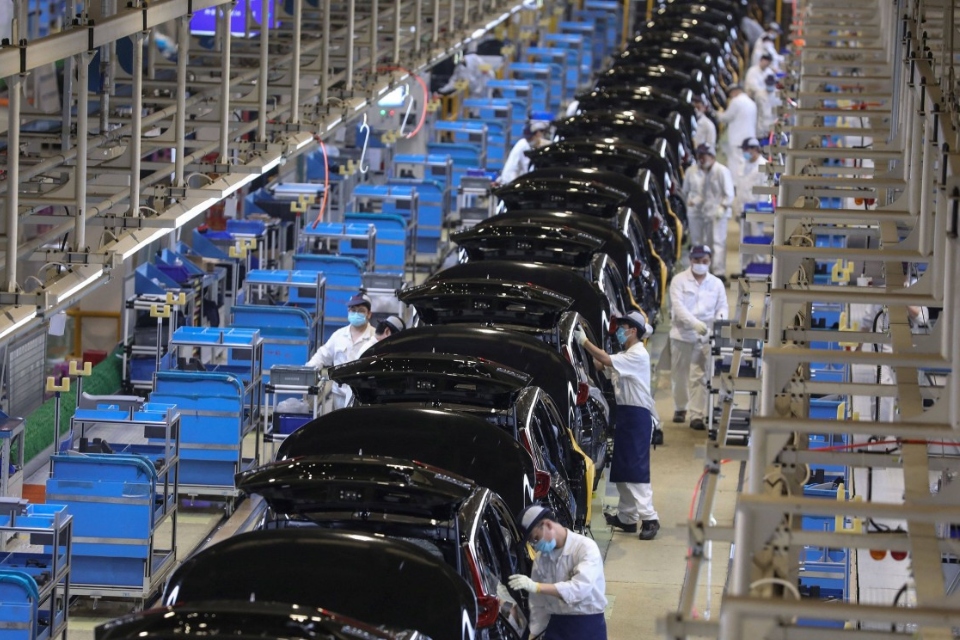
Japan is considering relaxing automobile safety rules for imports as part of its tariff negotiations with the United States, Nikkei Asia reported on Sunday.
Japan has been hit with 24% levies on its exports to the US although these rates have, like most of US President Donald Trump's tariffs, been paused for 90 days. A 10% universal rate remains in place, as does a 25% duty on cars, a mainstay of Japan's export-reliant economy.
As Japan and the US use different safety standards, Tokyo sees room for easing rules on crash tests as a bargaining chip in trade talks, Nikkei said citing unnamed sources.
With Trump's trade offensive roiling markets and stoking recession fears, Japan is seeking to walk back his "reciprocal" tariffs and other duties imposed on Japan, along with dozens of countries.
Trump touted "big progress" in tariff talks with Japan on Wednesday, in one of the first rounds of face-to-face negotiations since his barrage of duties on global imports.


-
 SpaceX sets Q3 2026 earnings release date: What to know
 -
 Hyundai to recall nearly 100,000 US vehicles over fire risk from overheating
 -
 Will Tesla and SpaceX merge? Barclays expects announcement ahead of December meeting
 -
 GSK eyes over 1,200 Belgian job cuts in cost-saving drive
 -
 Netflix slashes 1,000 jobs: What’s behind the cuts?
 -
 Anthropic to reveal new revenue figures as AI financial race heats up
 -
 HSBC to phase out fixed-pay allowances by 2028 in major compensation overhaul
 -
 TotalEnergies expands US renewable venture with KKR in $1.2B solar portfolio deal
-
 Australian telecom shares tumble as SpaceX moves closer to direct-to-cell market
 -
World Bank in crisis aid talks with dozens of nations amid global shocks
-
Deutsche Bank chief explains why German election results alarm foreign investors
-
China orders development of national blockchain network in economic blueprint: Here’s why