First astronaut with disability prepares to launch into space for ISS mission
"Now he's an astronaut like everybody else who wants to fly to space station," says ESA official
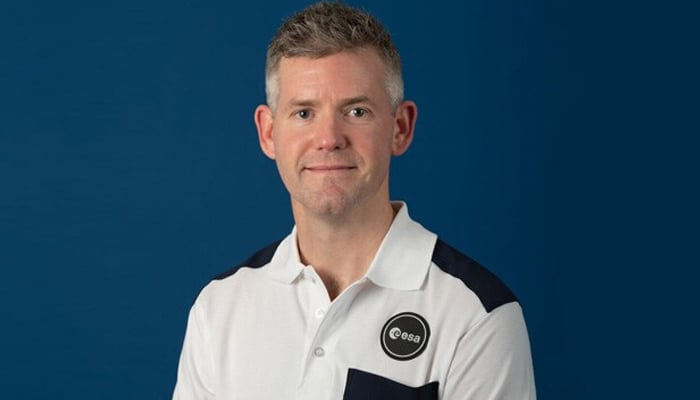
PARIS: The first-ever astronaut with a physical disability is ready to launch into space after receiving a green light for a mission onboard the International Space Station (ISS), the European Space Agency (ESA) announced on Friday.
John McFall is a British surgeon and former Paralympian who lost a leg in a motorbike accident when he was 19-years-old, says he is "hugely proud" of clearing the hurdle.
Since the ESA announced McFall as a member of its astronaut reserve in 2022, it has been assessing the feasibility of someone with a prosthesis becoming a crew member on a space mission.
On Friday, the ESA announced that McFall had received medical clearance for a long-duration mission onboard the ISS.
McFall emphasised that he was "relatively passive" in the process, and just had to be medically healthy and carry out the required tasks.
"This is way bigger than me — this is a cultural shift," he told an online press conference.
There is no date yet for when McFall will get his chance to become what the ESA has dubbed the first "parastronaut".
"Now he's an astronaut like everybody else who wants to fly to the space station, waiting for a mission assignment," the ESA's director of human and robotic exploration, Daniel Neuenschwander, said.
The ESA's announcement comes as diversity, equity and inclusion (DEI) initiatives have come under attack from the new US administration of Donald Trump.
"We are now entering a world which is changing a bit from a DEI perspective from one of our partners of the International Space Station," Neuenschwander said.
"We will continue with our European values," he emphasised, adding that all ISS partners — which includes the United States — had given McFall medical clearance.
The next phase of the feasibility study will look at some of the hardware needed, including prosthetics, so that McFall can best overcome any additional challenges in space.
McFall said that technologies they are working on "are going to trickle down and have benefits for prosthetic users in wider society as well".


-
 Japan launches world’s first mission to bring sample back from phobos
 -
 Orionid meteor shower 2026: Peak date, viewing tips and what to expect
 -
 Why Mars looks blue in NASA’s unedited curiosity panorama?
 -
 Blue Origin upgrades new Glenn rocket launch infrastructure to take on SpaceX
 -
 NASA’s next Mars mission targets Phobos and Deimos, not Red Planet
 -
 Is AI ready to rewrite our understanding of physics?
 -
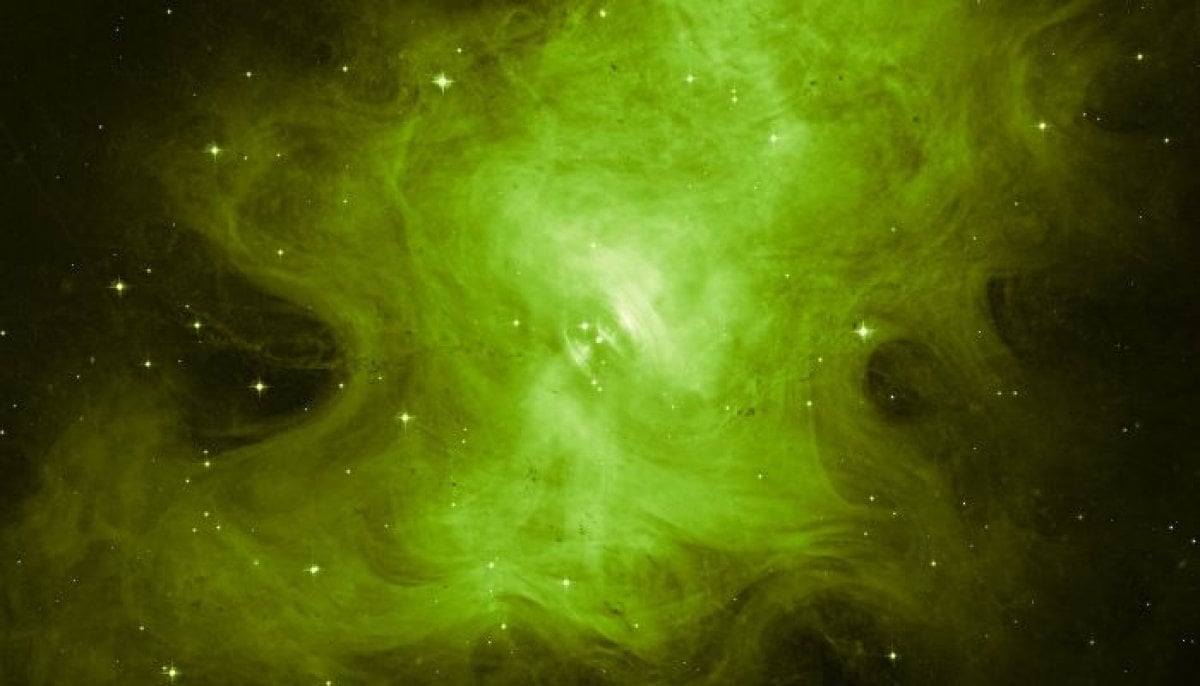 Astronomers identify possible first green star in 27 years of research
 -
 New study sounds alarm as Doomsday Glacier melts more aggressively than thought