PSX struggles as global volatility hits investor confidence
KSE-100 Index plunges by 1,510.71 points, or -1.32%, closing at 112,745.01
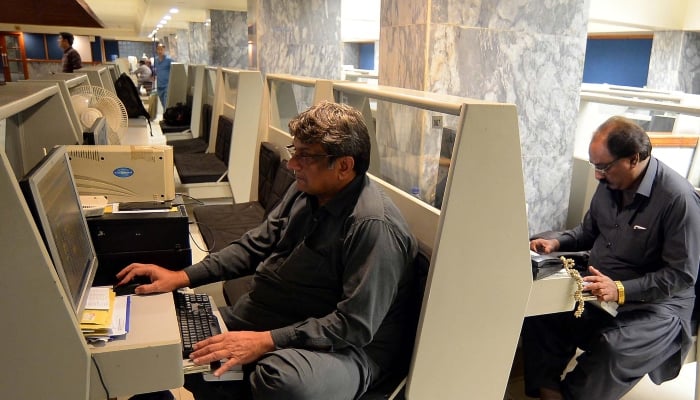
The stock market kicked off the week on a sluggish note, as escalating global market volatility and intensifying trade tensions dampened investor confidence, stifling momentum across key sectors.
The Pakistan Stock Exchange’s (PSX) benchmark KSE-100 Index plunged by 1,510.71 points, or -1.32%, closing at 112,745.01, down from the previous session's close of 114,255.72. The index hit an intraday high of 114,620.79 before retreating to a low of 112,681.33.
Market analysts linked the decline to external pressures, with Samiullah Tariq, Head of Research at Pak-Kuwait Investment Company, saying: "Drop in international markets, due to tariffs."
Global markets braced for further turmoil after US President Donald Trump imposed sweeping tariffs on Canada, Mexico, and China, raising fears of a full-blown trade war.
The affected countries have vowed immediate retaliatory measures, creating uncertainty in financial markets worldwide. Investors are also concerned that escalating tariff disputes could dampen corporate profits, trigger inflationary pressures, and disrupt interest rate cut expectations in the US.
Last week, the global financial landscape also faced pressure after the introduction of China’s DeepSeek AI model, which triggered a sell-off in tech stocks. The combination of trade tensions and technological disruptions has resulted in increased volatility in global equity markets, with investors adopting a wait-and-see approach to assess the impact on financial growth.
Meanwhile, in an effort to reduce electricity tariffs and stabilise the energy sector, the government has initiated a plan to convert circular debt (CD) into public debt. This move is expected to lower electricity tariffs by Rs3.37 per unit while restructuring $16.26 billion in energy-related debt.
The government is aiming to refinance and extend the repayment tenure of energy project loans, including those for hydel, coal, wind, solar, and nuclear power plants. By doing so, it hopes to ease the financial burden on consumers and improve the sustainability of the power sector.
A major part of the plan involves reprofiling circular debt, converting it into sovereign debt. According to estimates, this transition will result in a Rs3.78 per kWh reduction in electricity tariffs after tax.
The KSE-100 Index continued its upward trajectory for a second consecutive session on Friday, driven by strong corporate earnings expectations and hopes of further monetary easing.
Investors engaged in aggressive buying, which lifted the benchmark KSE-100 Index by 1,049.32 points, or 0.93%, to close at 114,255.72. The index surged to an intraday high of 115,106.99, reflecting sustained investor confidence, while the lowest level recorded during the session was 113,692.87.


-
 Meta and Tesla are set to report earnings next week: What to know
-
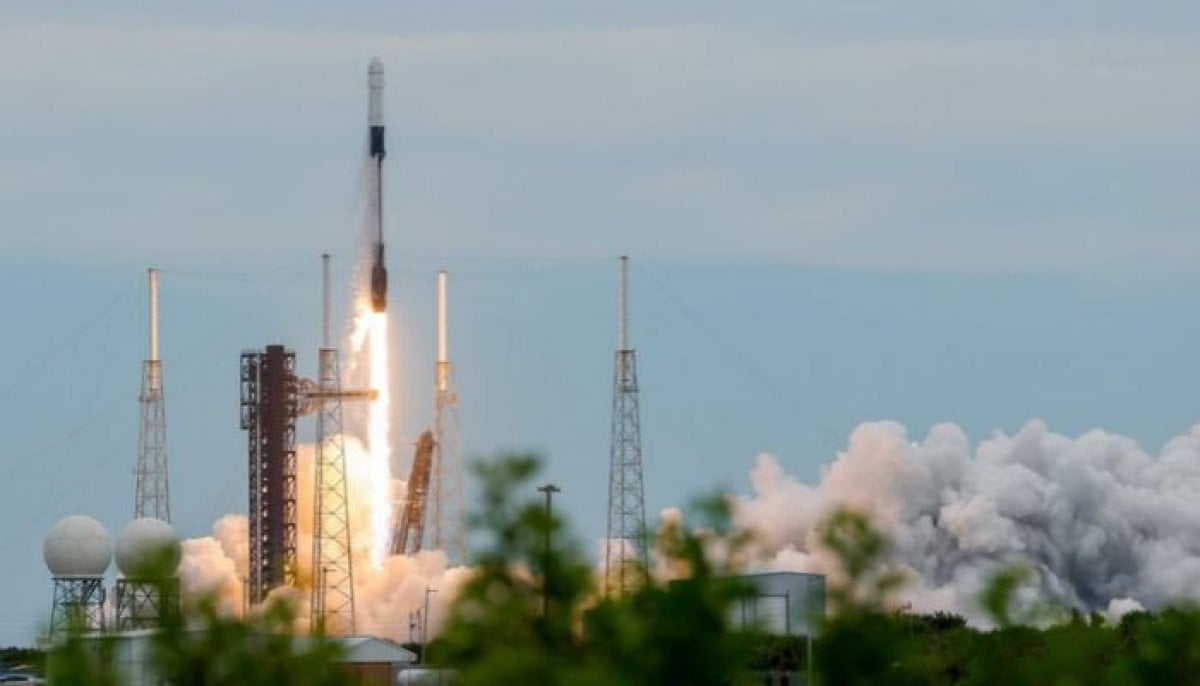 SpaceX sets Q3 2026 earnings release date: What to know
-
 Hyundai to recall nearly 100,000 US vehicles over fire risk from overheating
-
 Will Tesla and SpaceX merge? Barclays expects announcement ahead of December meeting
-
 GSK eyes over 1,200 Belgian job cuts in cost-saving drive
-
 Netflix slashes 1,000 jobs: What’s behind the cuts?
-
 Anthropic to reveal new revenue figures as AI financial race heats up
-
 HSBC to phase out fixed-pay allowances by 2028 in major compensation overhaul
-
 TotalEnergies expands US renewable venture with KKR in $1.2B solar portfolio deal
-
Australian telecom shares tumble as SpaceX moves closer to direct-to-cell market
-
World Bank in crisis aid talks with dozens of nations amid global shocks
-
Deutsche Bank chief explains why German election results alarm foreign investors