CEO Sam Altman thinks OpenAI needs to revamp open-source strategy
"I personally think we have been on the wrong side of history here," says ChatGPT-maker's chief
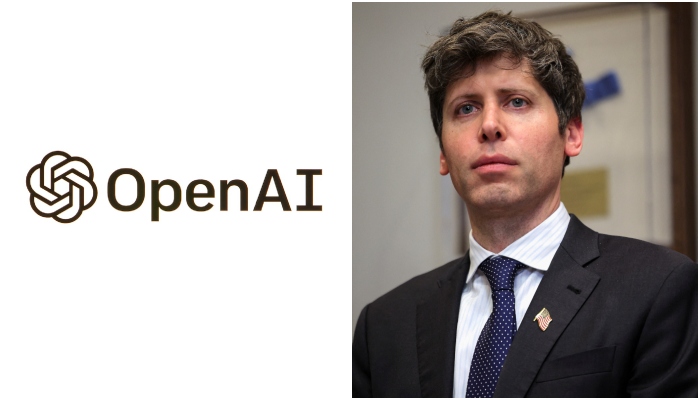
OpenAI chief Sam Altman recently acknowledged that his artificial intelligence tech firm is "on the wrong side of history" regarding the ChatGPT maker's transparency abouts its technology.
During a Ask Me Anything session on Reddit on Friday, Altman expressed his support for the idea of publishing OpenAI's research, indicating that the topic is under discussion at San Francisco-based OpenAI.
"I personally think we have been on the wrong side of history here and need to figure out a different open source strategy," Altman said.
"Not everyone at OpenAI shares this view, and it's also not our current highest priority."
Chinese AI newcomer DeepSeek has made headlines for its R1 chatbot's supposed low cost and high performance, but also its claim to be a public-spirited "open-source" project in contrast to closed alternatives from OpenAI and Google.
Open source refers to the practice of programmers revealing the source code of their software, rather than just the "compiled" program ready to run on a computer.
This has clashed with private companies' pursuit of revenue and intellectual property protection.
Meta, DeepSeek and France-based AI developer Mistral claim to set themselves apart by allowing developers free access to their tools' inner workings.
A member of the Reddit group asked Altman whether DeepSeek has changed his plans for future OpenAI models.
"It's a very good model," Altman said of DeepSeek. "We will produce better models, but we will maintain less of a lead than we did in previous years."


-
 Can cancer drugs be made in space? Here’s what the new mission aims to find out
 -
 SpaceX Falcon 9 successfully launches Bandwagon-5 mission with 32 payloads
 -
 Europe launched 8 orbital rockets last year, can it rival Starlink?
 -
 Japan launches world’s first mission to bring sample back from phobos
 -
 Orionid meteor shower 2026: Peak date, viewing tips and what to expect
 -
 Why Mars looks blue in NASA’s unedited curiosity panorama?
 -
 Blue Origin upgrades new Glenn rocket launch infrastructure to take on SpaceX
 -
 NASA’s next Mars mission targets Phobos and Deimos, not Red Planet