'Vague' net zero targets could push global warming past 2°C: experts
Natural carbon sinks — forests, oceans, and soils—currently absorb half of human-made carbon emissions
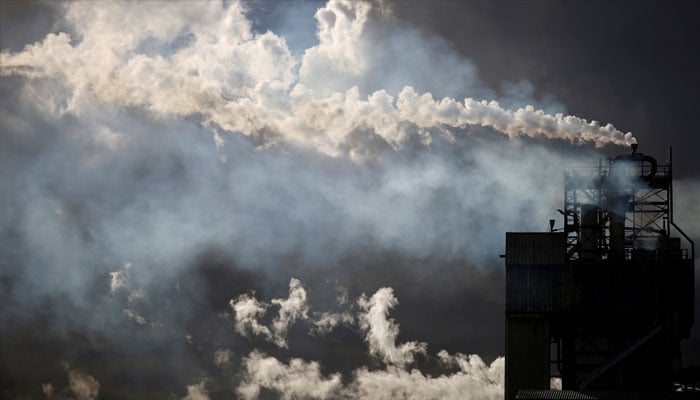
Scientists have raised alarms over "vague" net zero policies, warning they could allow global temperatures to rise beyond 2°C despite climate action efforts. The warning was issued during UN climate talks in Azerbaijan.
Natural carbon sinks—forests, oceans, and soils—currently absorb half of human-made carbon emissions. These systems are essential for stabilising temperatures after emissions are cut, but some nations are using them to offset current fossil fuel use, risking long-term climate targets.
Myles Allen, an Oxford scientist who pioneered net zero science, stressed that natural sinks cannot address both past and future emissions simultaneously. He highlighted Russia’s approach, where vast forests are used to offset rising fossil fuel consumption, as an example of flawed implementation.
The researchers advocate for "geological net zero," ensuring that every tonne of CO2 from fossil fuels is captured and permanently stored underground. This shift is critical as only 0.1% of emissions are currently handled this way, with the target set at 100% by 2050.
Experts also noted that unclear rules could mislead the world into thinking it is on track for 1.5°C warming while actually heading past 2°C.
Predictions for 2024 indicate record-high carbon emissions and the hottest year in history, underscoring the urgency of clear and effective climate strategies.


-
 NASA Curiosity captures strange ‘wind-carved’ Mars landscape in dawn image
 -
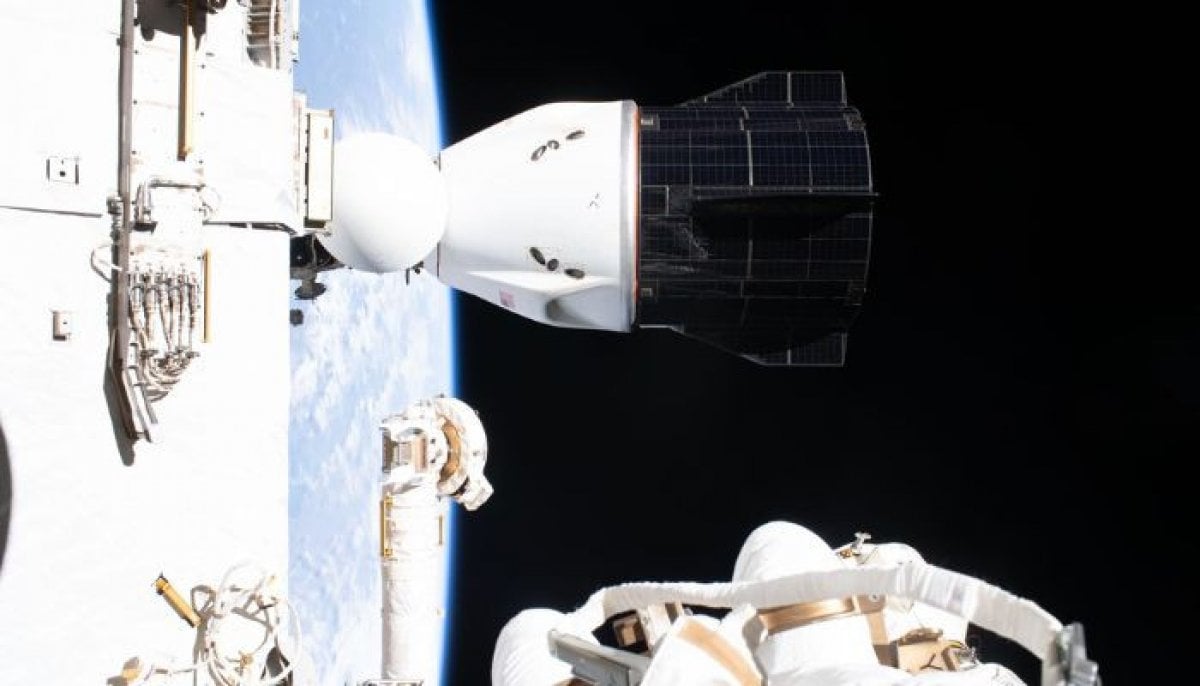 NASA's Crew-12 Dragon begins return trip from space station
 -
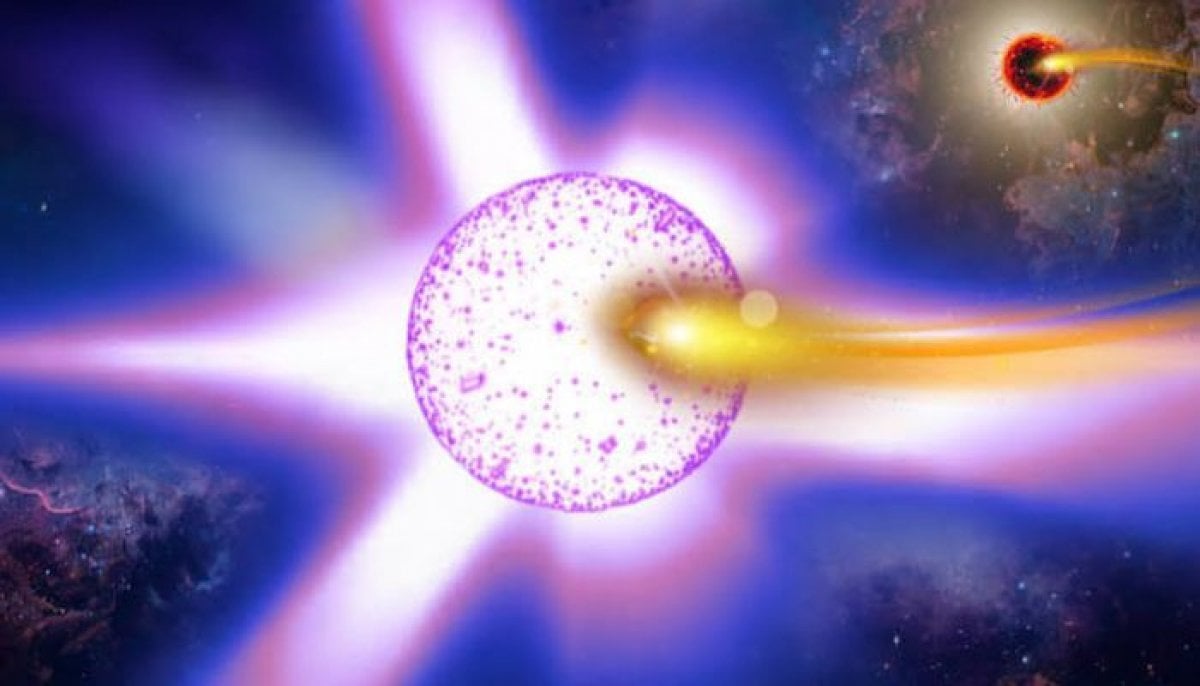 Mysterious ‘phoenix planet’ found around the remains of a dying star
 -
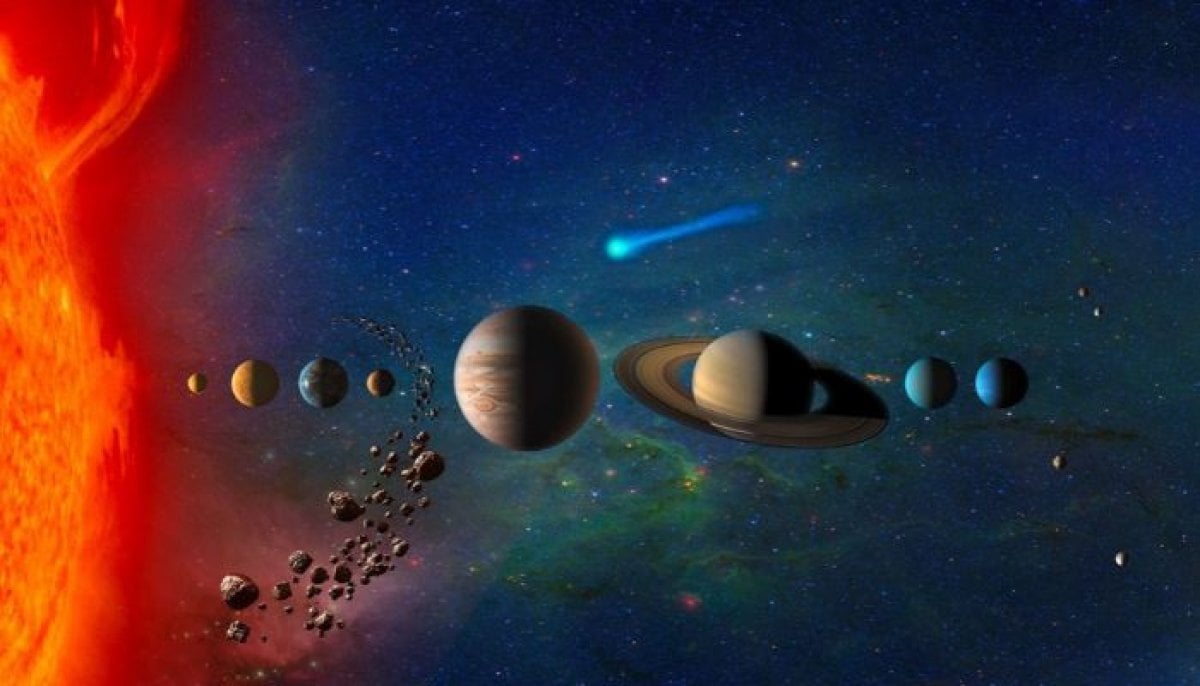 First possible evidence of Planet Nine found in infrared data
 -
 Elon Musk announces SpaceXAI rebrand to SpaceXSI following presidential order on 'Super Intelligence'
 -
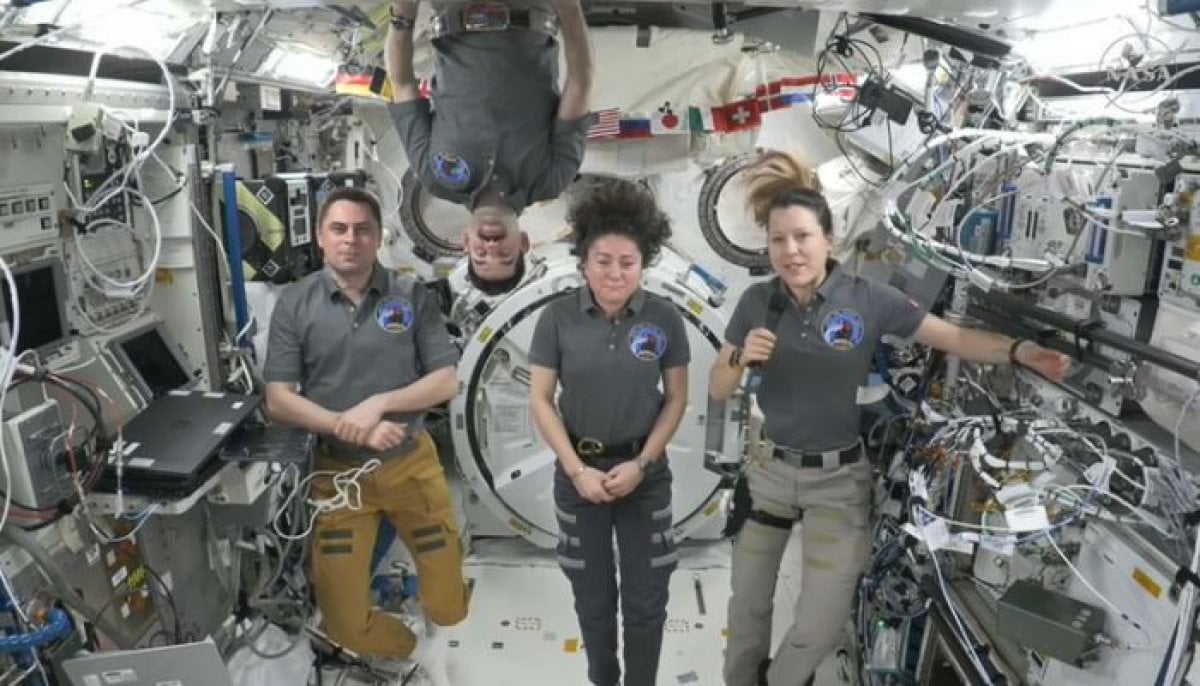 ISS Command changes hands in emotional ceremony
 -
 Moon water acts nothing like it does on Earth, study finds
 -
 Hawaii’s Hōlei sea arch collapses after centuries on Big Island: What happened