Inflation, policy rate expected to fall further in coming months: Aurangzeb
“The government has strived hard to bring about economic stability,” says finance minister
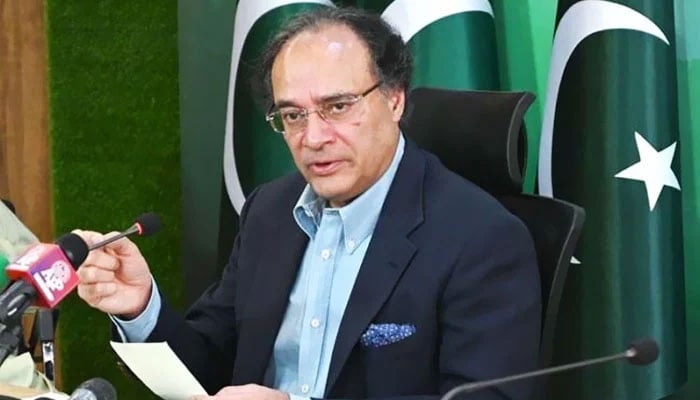
In light of the government’s recent economic achievements, Finance Minister Muhammad Aurangzeb on Tuesday hinted at further drop in the consumer price inflation and State Bank of Pakistan’s (SBP) key policy rate in the coming months.
“The government has strived hard to bring about economic stability,” said the finance minister asserting the efforts of the ruling coalition have started paying off.
Announcing that the much-resisted structural economic reforms were finally underway, the finance czar forecast the inflationary pressures to ease further and central bank's hawkish monetary outlook to continue. “Inflation has dropped to single digits,” said Aurangzeb expecting it to hit new lows.
Consumer Price Index (CPI)-based inflation fell to 6.9% year-on-year in September 2024, the lowest since January 2021, down from 9.6% in August, driven by the high base effect, easing commodity and energy markets, and a stable currency, according to the Pakistan Bureau of Statistics (PBS).
Last month, the SBP's Monetary Policy Committee slashed the key policy rate by 200bps to 17.5% from 19.5%, citing a steep fall in both headline and core inflation over the past two months.
Expressing his condolences over the loss of Chinese engineers working in Pakistan, Aurangzeb said that no amount of money could be placed on the loss of life.
“Chinese nationals targeted in Karachi were the officials of independent power producers (IPPs) engaged in talks with the government of Pakistan to revise the agreements.”
Deceased engineers were collaborating with Minister for Energy (Power Division) Awais Leghari on IPPs projects, he said adding that talks were ongoing with IPPs to provide further relief to the public.
At least three persons including two Chinese nationals were killed in an explosion near Jinnah International Airport on October 6, while another Chinese national and over a dozen others were injured.
Highlighting their negative impacts on growth and stability, Aurangzeb said that strikes and agitation were taking a toll on the economy and bleeding the national exchequer.
“Such actions cost the country around Rs190 billion per day, severely affecting economic growth.” He urged those calling for strikes to consider their repercussions and instead engage in negotiations to resolve their issues.
He urged those calling for strikes to consider their repercussions and instead engage in negotiations to resolve their issues.


-
 Meta and Tesla are set to report earnings next week: What to know
 -
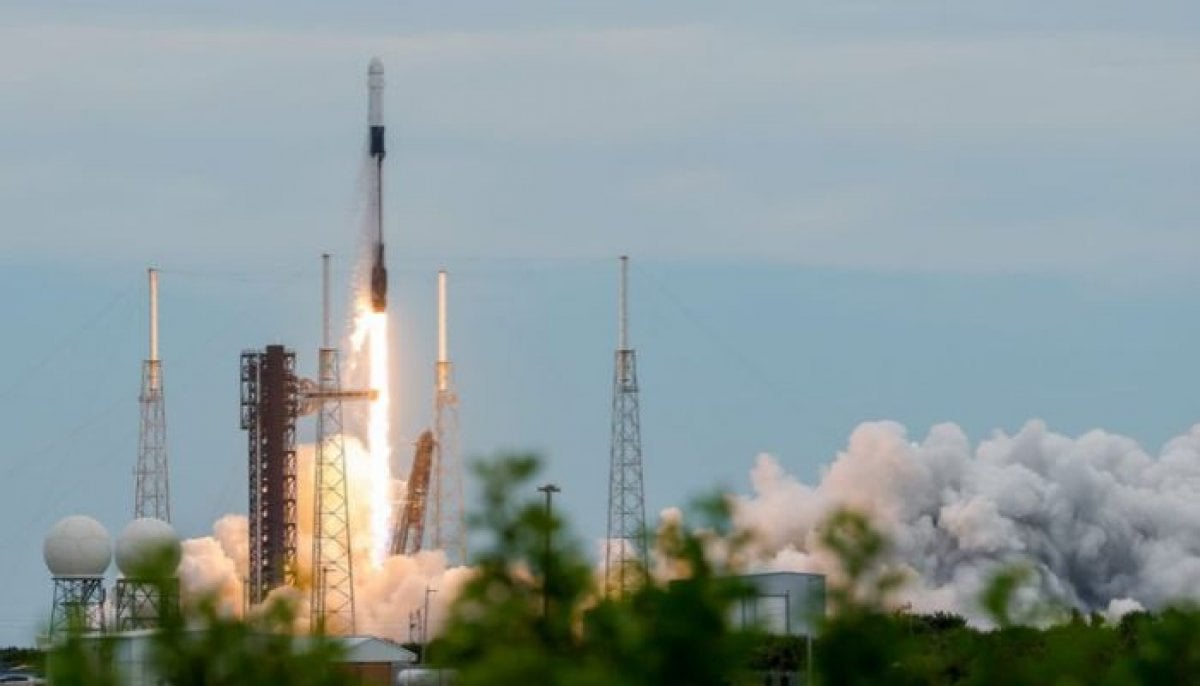 SpaceX sets Q3 2026 earnings release date: What to know
 -
 Hyundai to recall nearly 100,000 US vehicles over fire risk from overheating
 -
 Will Tesla and SpaceX merge? Barclays expects announcement ahead of December meeting
 -
 GSK eyes over 1,200 Belgian job cuts in cost-saving drive
 -
 Netflix slashes 1,000 jobs: What’s behind the cuts?
 -
 Anthropic to reveal new revenue figures as AI financial race heats up
 -
 HSBC to phase out fixed-pay allowances by 2028 in major compensation overhaul
-
 TotalEnergies expands US renewable venture with KKR in $1.2B solar portfolio deal
 -
Australian telecom shares tumble as SpaceX moves closer to direct-to-cell market
-
World Bank in crisis aid talks with dozens of nations amid global shocks
-
Deutsche Bank chief explains why German election results alarm foreign investors