VIDEO: Astronomer captures view of solar flare that causes northern lights
Andrew McCarthy, an astronomer captured an eruption from sunspot AR3697 which is to cause aurora borealis
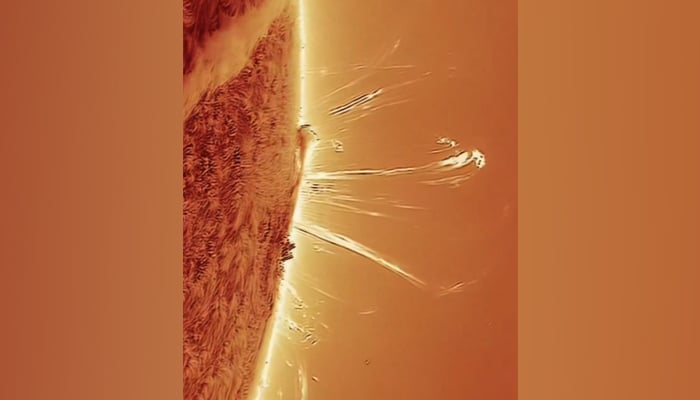
People around Western Europe and North America enjoyed the Northern Lights or aurora borealis but some may have not seen the flares erupting from the Sun that caused a solar storm and ignited a light show.
Andrew McCarthy, an astronomer captured an eruption from sunspot AR3697.
McCarthy told Space.com: "Unlike most celestial objects, the sun looks quite different from day to day, and is filled with exciting events like flares or coronal mass ejections. There's always something interesting to look at!"
The sunspot got a lot of attention from around the world as its emissions of charged particles interacted with Earth’s magnetic field and generated northern lights as a result. It is also called a solar storm which hit Earth last month with an intensity of Category 5.
"This sunspot has a history of being highly active, and produced a number of flares and CMEs which are exciting to capture and track," McCarthy said.
WOW! This is the same active region that caused those aurora a few weeks ago. It’s finished rotating around the back of the sun and ready to cause some havoc again! This is the aftermath of yesterday’s X class flare, McCarthy wrote on X.
Explaining the video, he said: "Naturally the view through my telescope is red, but because of the nature of the highly filtered light I have to use a monochrome camera to capture it, thus colour is added later."
"Capturing the timelapse footage is simple, but it took a long time to learn how to do it effectively. That's where my years of experience have helped me!" McCarthy stated.
More such storms and aurora borealis are expected in the upcoming days as the solar activity reaches its maxim, also called a solar maximum.


-
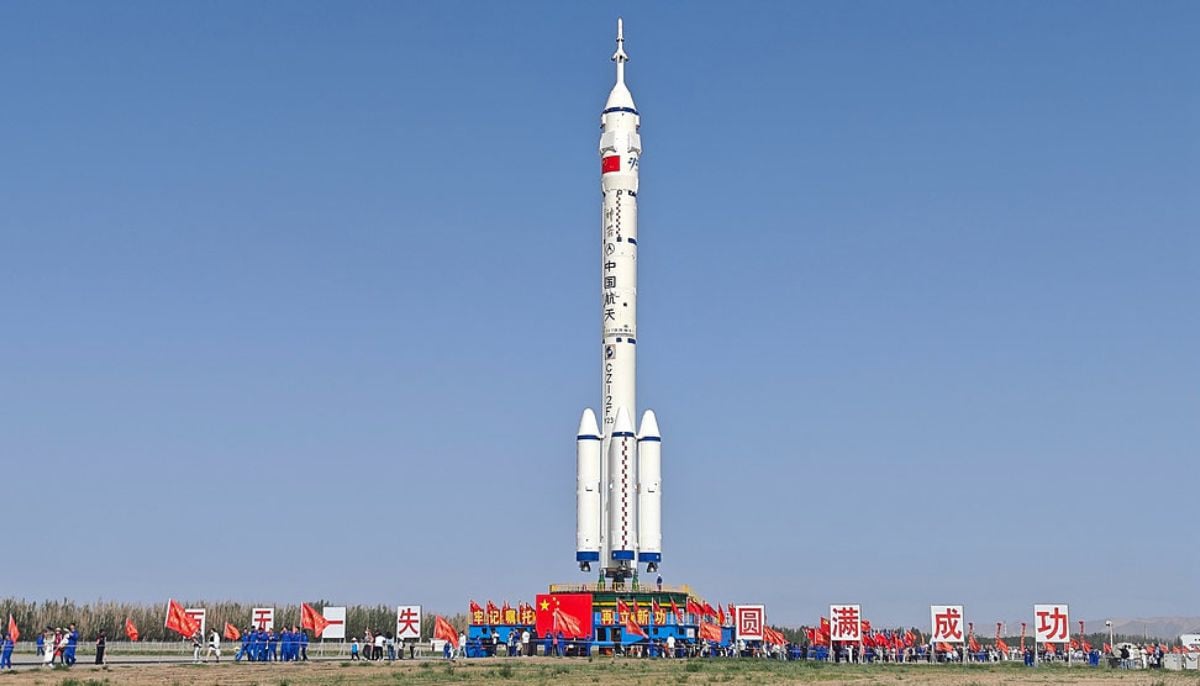 China to launch Shenzhou 23 crew to Tiangong space station
 -
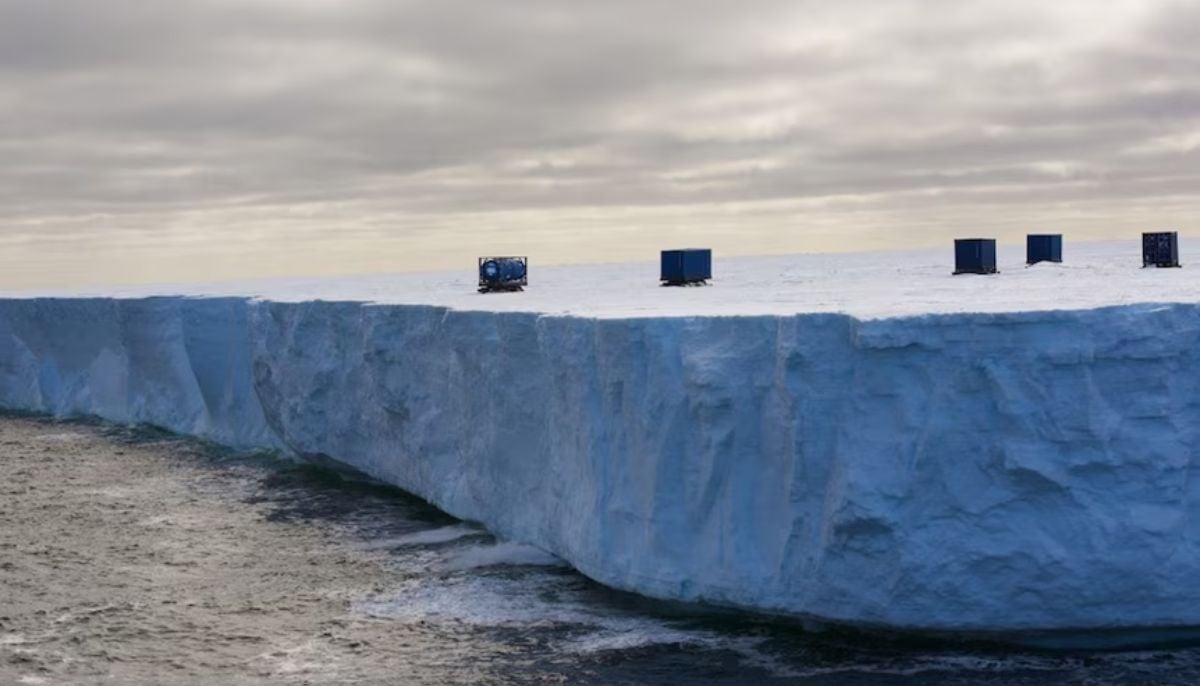 Antarctic blizzard sends fuel containers floating on an iceberg: Here’s why
 -
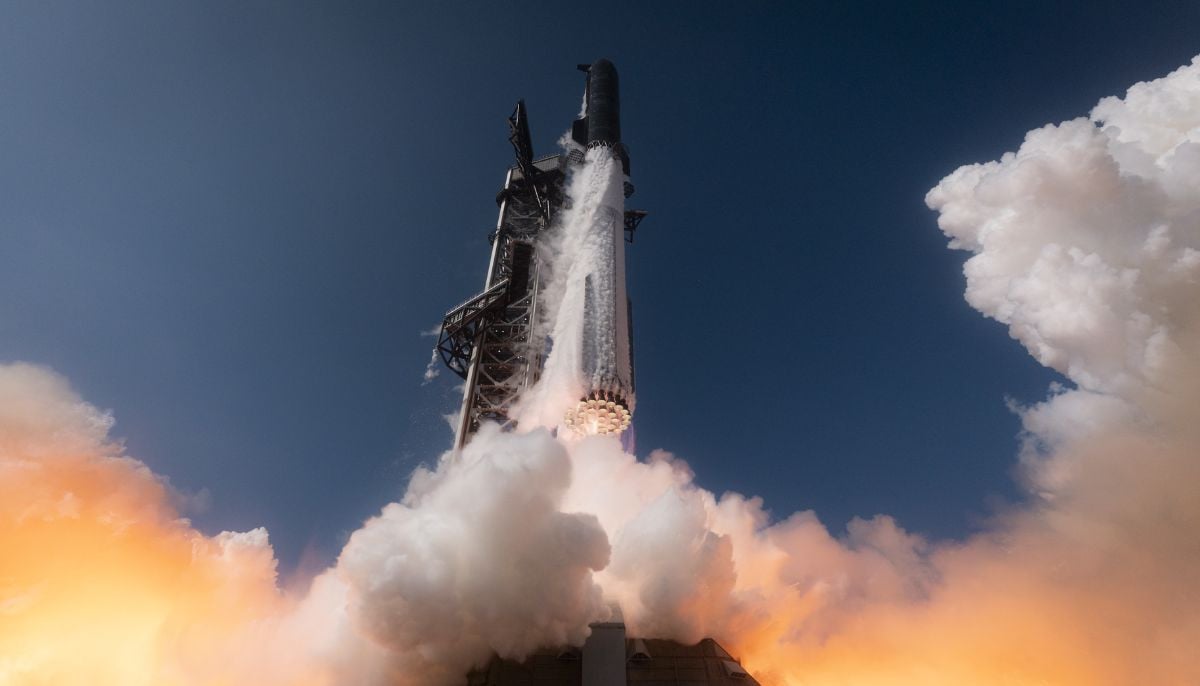 SpaceX Starship test flight succeeds despite engine failures
 -
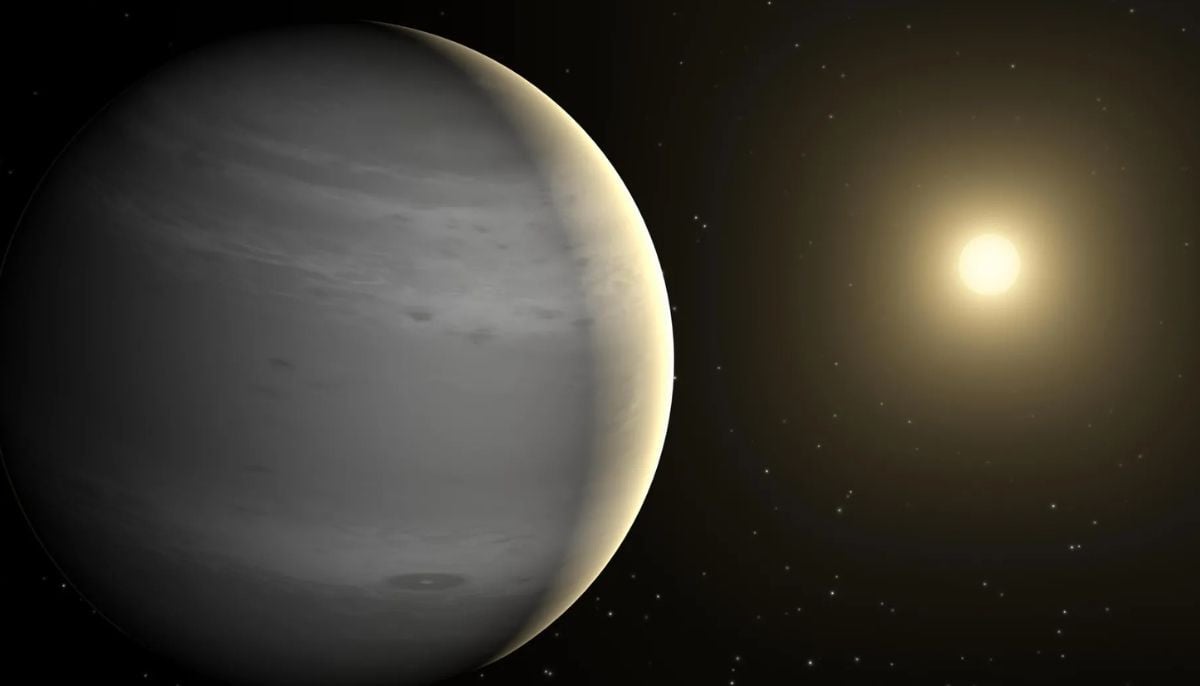 Is this Earth 2.0? NASA’s James Webb telescope spots ‘rare’ giant exoplanet
 -
 SpaceX Starship launch delayed again: Here’s what went wrong
 -
 Why do scientists think Neptune’s moon Nereid survived violent cosmic collision?
 -
 NASA set to unveil major Moon Base strategy and mission update
 -
 SpaceX’s upgraded Starship V3 ready for high-stakes test flight: Where to watch live