How to use Google's new 'Find My Device' service to track lost phones
For now, this service is only available to users in US and Canada and only works with Android phones and tablets
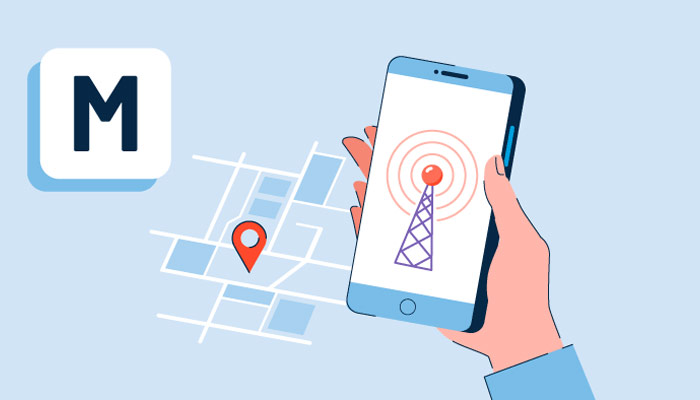
Google has finally introduced its "Find My Device" service for Android phone users.
The new service allows users to find phones or devices that have been lost or misplaced tracking the approximate location with the help of a network of over one billion Android devices around the world, Life Hacker reported.
But how does Android's Find My Device work?
If someone loses a connected device, any android phone nearby will automatically connect with it via Bluetooth.
This connection will update its location in the Find My Device network, notifying the owner of where it is or at least where it was the last time it connected to some android device.
This feature is available even offline in Google Pixel 8 or Pixel 8 Pro. Even if your device doesn’t have battery, it can still be located with Find My Device.
You can also locate your phone with other personal devices such as Nest devices. If the lost device is close to your Google smart home devices, it can easily be located through the Find nearby option.
For now, the service is only available to users in the United States and Canada and only works with Android phones and tablets, but Google plans on expanding the network to support compatible Bluetooth devices starting in May.
Google is also working on a feature that will allow users to share items such as TV remotes or car keys with other people.


-
 Can cancer drugs be made in space? Here’s what the new mission aims to find out
 -
 SpaceX Falcon 9 successfully launches Bandwagon-5 mission with 32 payloads
 -
 Europe launched 8 orbital rockets last year, can it rival Starlink?
 -
 Japan launches world’s first mission to bring sample back from phobos
 -
 Orionid meteor shower 2026: Peak date, viewing tips and what to expect
 -
 Why Mars looks blue in NASA’s unedited curiosity panorama?
 -
 Blue Origin upgrades new Glenn rocket launch infrastructure to take on SpaceX
 -
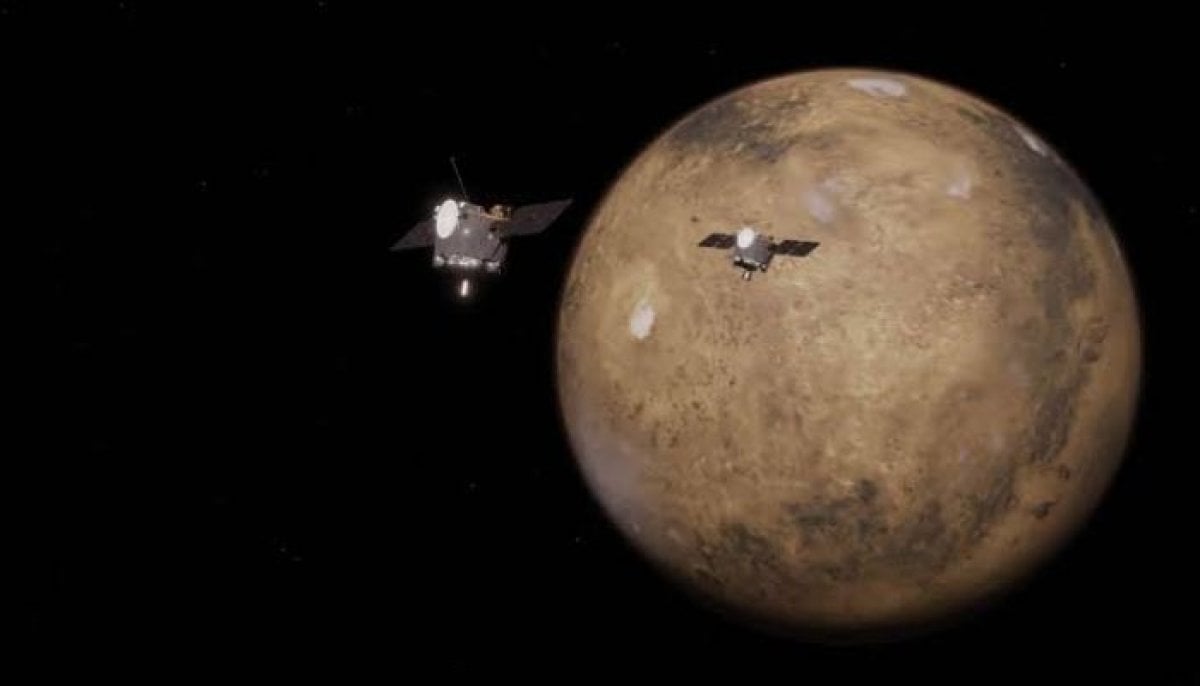 NASA’s next Mars mission targets Phobos and Deimos, not Red Planet