Apple rolls out hidden feature for iOS 17 users
iPhone maker unveils useful hidden feature for users with iOS 17
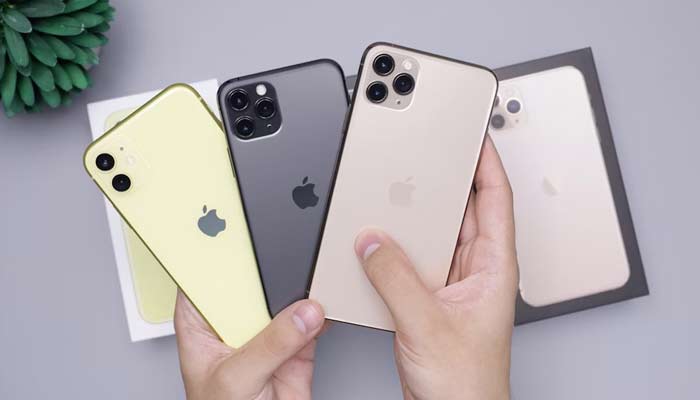
There is a hidden feature on Apple’s iOS 17 and you need to know about it.
Podcast transcripts and Apple Cash virtual card numbers were two helpful new features that the iOS 17.4 update brought iPhone users in March.
However, the tech giant unveiled Screen Distance, a new feature that could help you take better care of your eyes, when it released iOS 17 in September, according to CNET.
Similar to a parent telling you to sit further back from the TV or computer screen, this function alerts you when you're holding your iPhone or iPad too close to your face.
Despite the fact that placing a screen close to your face might not be harmful, Cedars-Sinai, a health organisation, states that it may cause stress and irritation to your eyes.
Fortunately, this new iOS 17 function tries to lessen eyestrain and may even cut your risk of developing myopia, or nearsightedness, according to Apple.
Here's how to use the Screen Distance feature on iOS 17 and protect your eyes.
Use screen distance
1. Open Settings.
2. Tap Screen Time.
3. Tap Screen Distance.


-
 Northern lights could light up skies across 22 US states tonight: How to watch
 -
 First-ever radio signal from exoplanet reveals its magnetic field
 -
 Starship flight 14: Why SpaceX’s first-ever orbital test matters to NASA’s Artemis
 -
 New study explains 364-day Qumran calendar puzzle
 -
 Why does time feel faster as you age? Science explains
 -
 Scientists name newly discovered snake after Guns N' Roses' Slash
 -
 SpaceX secures three new NASA crew flights: What to know
 -
 Sovereign AI fund in talks to back Political Sciences: What to know