SpaceX launches two Falcon 9 rockets carrying Starlink satellites
Company has stated that it hopes to complete 144 orbital flights by end of 2024
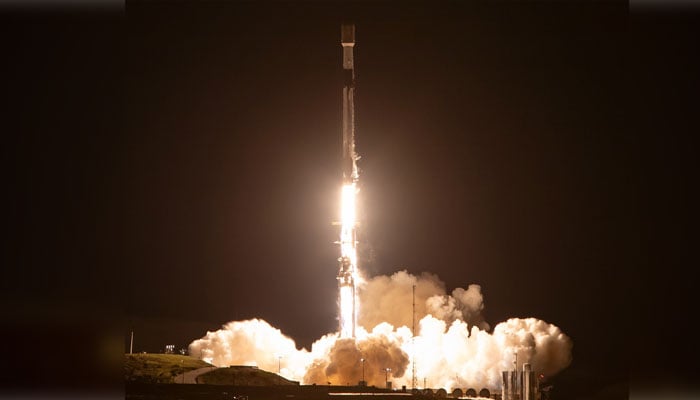
Starlink's Space X has launched two more batches of internet satellites on Sunday night from the US coasts, Space reported.
Starting at 6:15pm EST on Sunday, the National Aeronautics and Space Administration's (Nasa) Kennedy Space Centre (KSC) in Florida launched a Falcon 9 rocket carrying 23 Starlink spacecraft.
At 12:57am EST on Monday, another Falcon 9 lifted 22 more Starlinks into the sky from the Californian Vandenberg Space Force Base.
Both the Falcon 9's first stage returned to Earth 8.5 minutes after lifting off from Space X drone ships.
It was the 18th launch and landing for the booster flying from KSC and the ninth for the one launching from Vandenberg, according to SpaceX. The company's reuse record is 19 launches, set by a Falcon 9 just last month.
The Falcon 9 upper stages, meanwhile, continued climbing into low Earth orbit to deploy each batch of Starlink satellites a little over an hour after their liftoffs.
As of now, SpaceX has launched eight to nine times this year. The company has stated that it hopes to complete 144 orbital flights by the end of the year 2024.
Another SpaceX mission is about to launch on January 30. Falcon 9 will launch Northrop Grumman's unmanned Cygnus cargo vehicle toward the International Space Station.
The Starlink Falcon 9s launched on the death anniversary of seven astronauts who died on January 28, 1986, when the Nasa space shuttle Challenger broke apart.


-
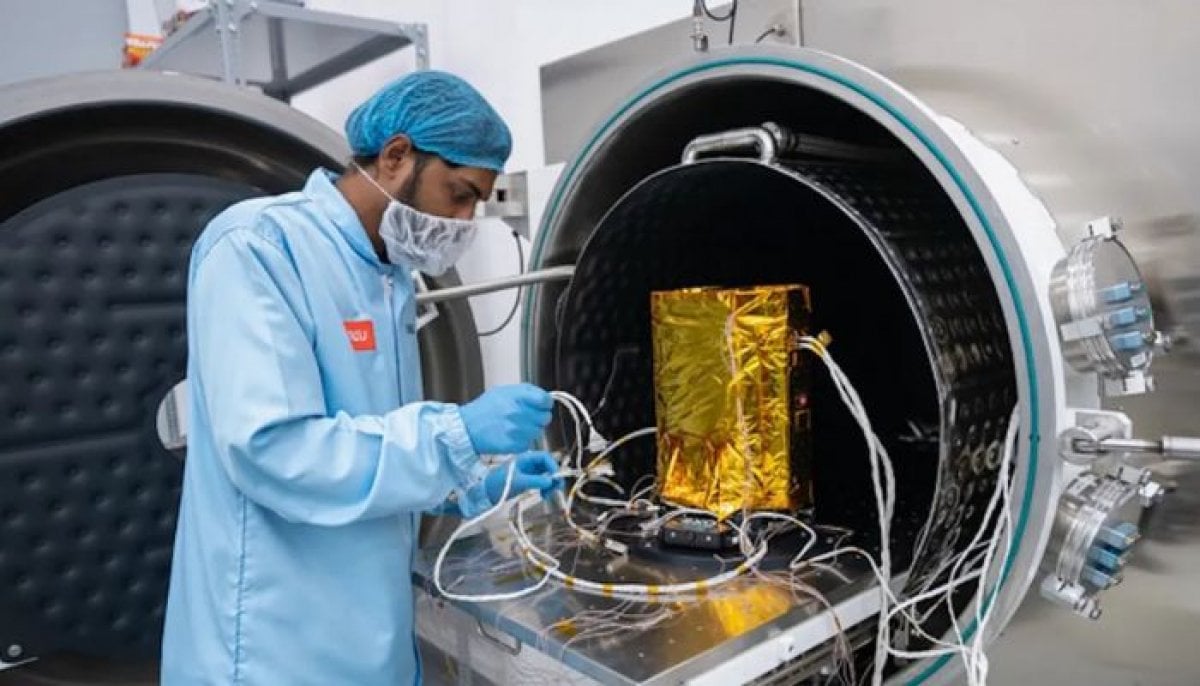 UAE builds asteroid lander designed to crash into its target
 -
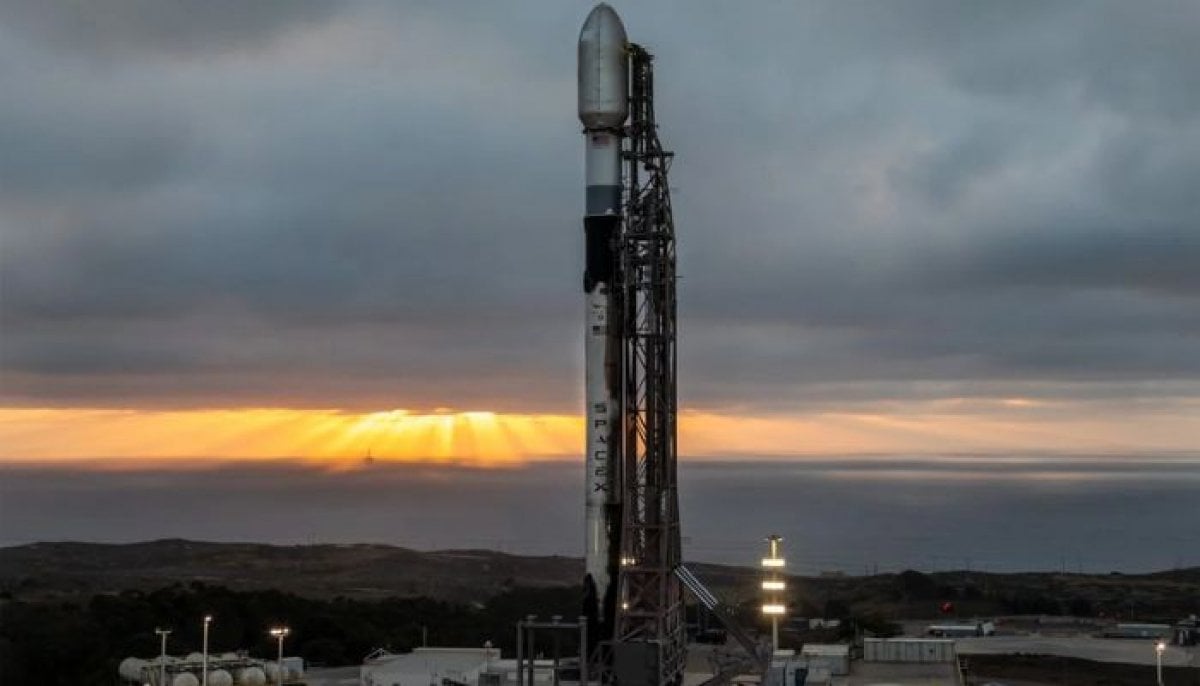 SpaceX Falcon 9 launches 21 military satellites into orbit
 -
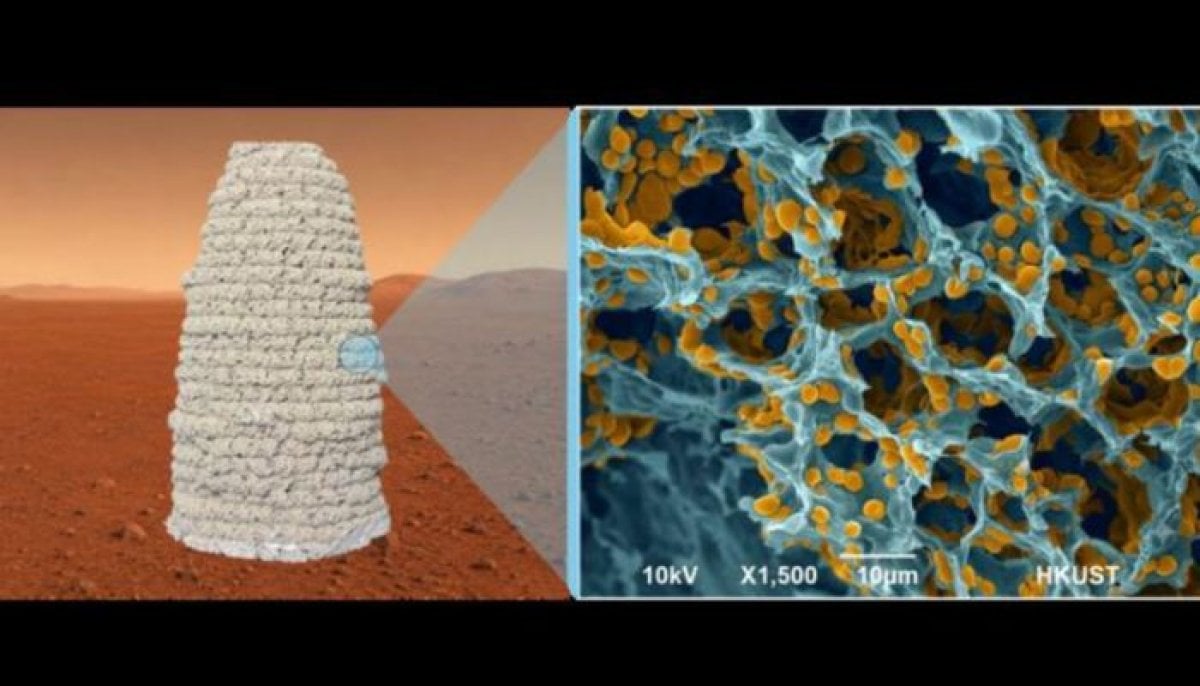 Could a newly engineered microbe help humanity survive on Mars?
 -
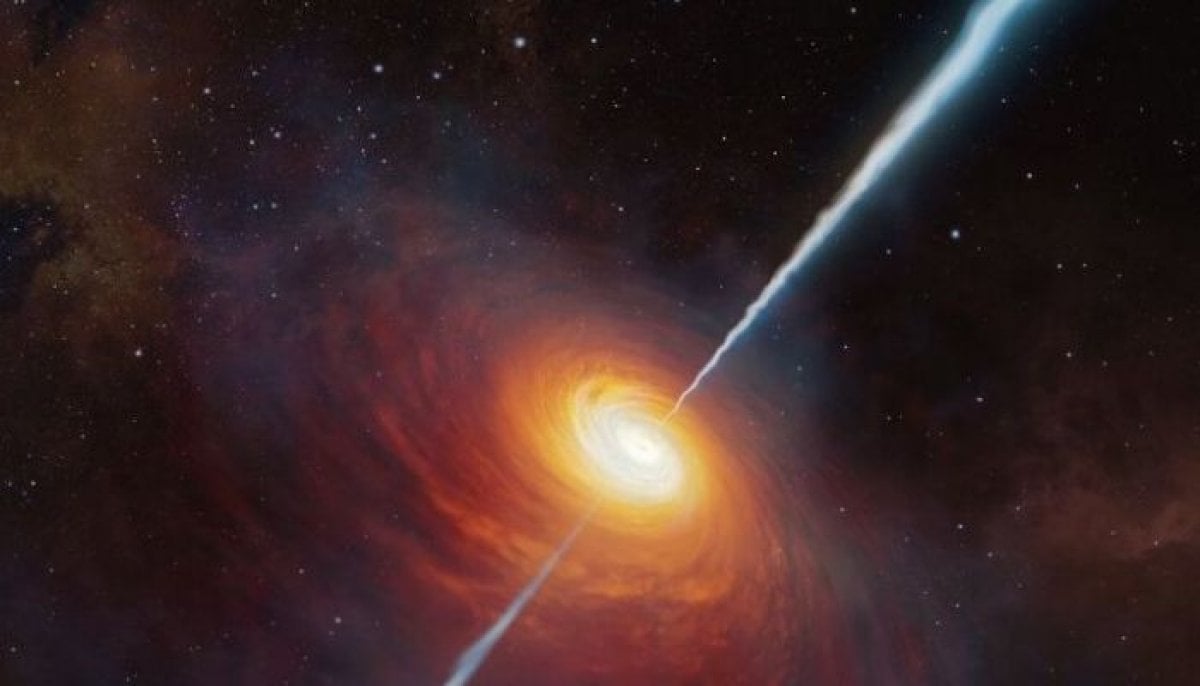 Astronomers find most distant fast radio burst ever recorded
 -
 Draconid meteor shower tonight: Best time and places to see it
 -
 ‘A dream for 50 years’: Why world’s first nuclear clock could change timekeeping
 -
 NASA Curiosity captures strange ‘wind-carved’ Mars landscape in dawn image
 -
 NASA's Crew-12 Dragon begins return trip from space station