Game-changing triple therapy approved to combat myeloma: A lifeline for thousands
DRD therapy is not just a medical breakthrough; it's a game-changer that could redefine your journey with myeloma
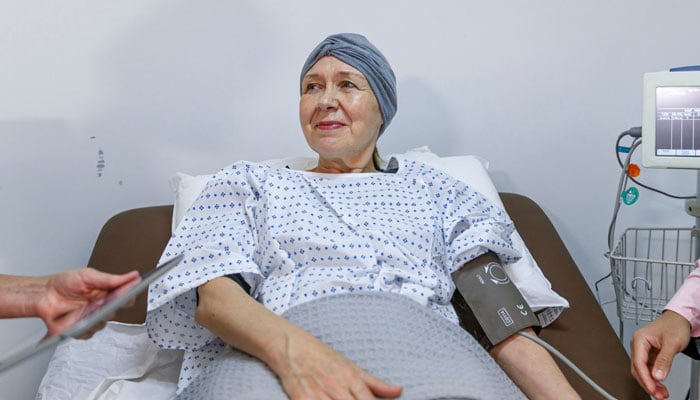
Are you or a loved one grappling with the challenges of myeloma, a relentless form of blood cancer?
Imagine a breakthrough that promises new hope and a chance at a fuller life. Today, we're thrilled to share with you the latest development in myeloma treatment - a "game-changing" triple therapy has been approved for use.
Myeloma, affecting around 6,000 people in the UK annually, can be debilitating, with symptoms like fatigue and bone pain.
Until now, high-dose chemotherapy and stem cell transplants were the go-to treatments for the disease. But, they are not suitable for everyone, leaving two-thirds of patients in a difficult spot. That's where this revolutionary triple therapy, known as DRD (daratumumab, lenalidomide, and dexamethasone), steps in.
The National Institute for Health and Care Excellence (Nice) has given the green light to a powerful triple therapy known as DRD. If you can't undergo a stem cell transplant, this treatment could be a game-changer for you.
Triple therapy offers more time with you loved ones
Clinical data presented to health authorities revealed astounding results. DRD reduces the risk of disease progression and death by a staggering 45% compared to the previous standard of lenalidomide plus dexamethasone.
For you, this could mean more precious years, as typical survival without the disease progressing extends to five years, compared to under three years with the previous treatment.
The combined drugs also bring hope on another front, reducing the risk of death by 34%. This breakthrough isn't just about statistics. It's about the potential to create more moments with your loved ones and to live a fuller life.
A Lifeline for Thousands
Myeloma UK, a leading charity in the field, estimates that up to 4,000 myeloma patients each year could benefit from this life-changing combination.
In a world where only half of myeloma patients survive for five years or more, and just a third make it to a decade, this is a significant leap forward.


-
 Novo Nordisk partners with Anthropic to accelerate AI-powered drug discovery
 -
 Congo Ebola outbreak reaches turning point as daily infections fall
 -
 Study reveals why some babies are born with heart defects
 -
 Third measles-associated death reported as Pennsylvania outbreak reaches 676 cases
 -
 Cyclosporiasis outbreak: US officially ends largest outbreak linked to contaminated lettuce
 -
 Hot beverages increase risk of cancer? New research provides in-dept details
 -
 Highest-level recall issued for potato chips over banned ingredient posing death risk
 -
 Very hot tea and coffee could triple cancer risk, Oxford study warns