China imposes COVID lockdown on area around iPhone factory
China is last major economy committed to a zero-COVID strategy, persisting with snap lockdowns, mass testing, quarantines
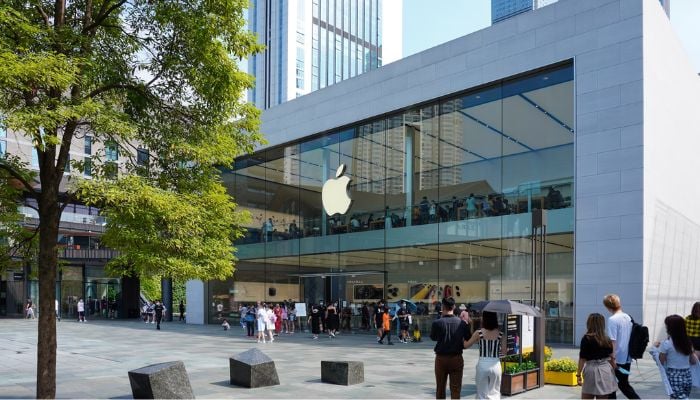
BEIJING: Chinese authorities on Wednesday locked down the area surrounding the world's largest iPhone factory after workers had fled the facility to avoid COVID restrictions.
Central China's Zhengzhou Airport Economy Zone, where Taiwanese tech giant Foxconn runs a massive plant, entered seven days of "static management" on Wednesday, local officials said in a statement, using a euphemism for lockdown.
Images emerged last week on Chinese social media showing people breaking out of Foxconn's facility, which employs hundreds of thousands of workers.
Employees were complaining online of poor conditions and having to flee the factory on foot to avoid COVID transport curbs.
All people except COVID-prevention volunteers and essential workers "must not leave their residences except to receive COVID tests and emergency medical treatment", the officials said Wednesday.
They added only medical vehicles and those delivering essentials would be allowed on the streets.
China is the last major economy committed to a zero-COVID strategy, persisting with snap lockdowns, mass testing and lengthy quarantines in a bid to stamp out emerging outbreaks.
But new variants have tested local officials' ability to snuff out flare-ups faster than they can spread, causing much of the country to live under an ever-changing mosaic of COVID curbs.


-
 Kremlin sends strong message to Ukraine as Zelenskyy resumes strikes on Russian refineries
 -
 US prosecutors hit ousted Venezuelan leader Nicolas Maduro with torture charges
 -
 Jeffrey Donaldson handed 15-year sentence over child sex abuse offences
 -
 'Time for Zelensky to go': Elon Musk calls for Ukrainian president to step down amid Starlink dispute
 -
 Hubble data hints at planet born after its star died
 -
 Trump campaigns for GOP as Democratic PAC pours millions into senate races ahead of midterm elections
 -
 China-North Korea bridge finally opens after 12-year delay: ‘New chapter of bilateral trade’
 -
 Zelenskyy signals new Russian refinery strikes after feeling ‘betrayed’ by Trump
-
 Anthropic to add official US voting information to Claude ahead of midterms
 -
University of Chicago investigates reported sexual assault at off-campus fraternity house
-
Tumbler Ridge school shooting: US grand jury indicts alleged accomplice indicted
-
Trump targets Canada again with 51st state remarks at Arizona rally