Study shows AI tools do not reduce bias in hiring process
In 2018, Amazon announced it was letting go of such a recruitment engine because it discriminated against female applicants
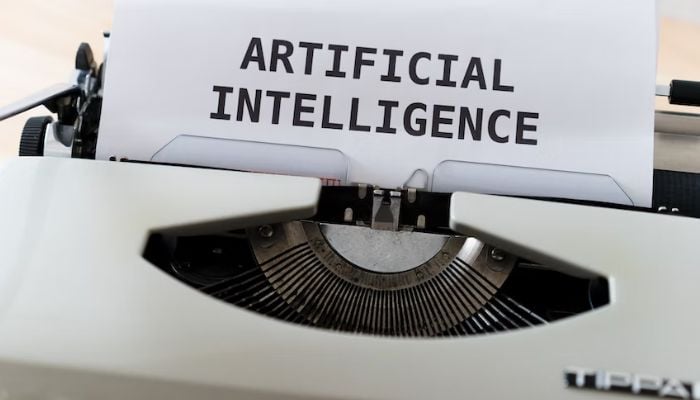
Research has found that hiring tools supported by artificial intelligence, contrary to popular opinion, do not reduce bias.
Cambridge University experts who published their findings in the journal Philosophy and Technology shared that companies are showing greater interest now to use AI to solve problems like interview and recruitment bias.
However, they believe that the application of this AI when it analyses candidates' resumes or video is nothing but "pseudoscience".
The study mentions a 2020 survey of 500 HR professionals from all over the world. Nearly 25% reported using AI for "talent acquisition".
Dr Kerry Mackereth, who is a researcher at the University of Cambridge's Centre for Gender Studies told BBC that the use of AI could actually be counterproductive.
She said that the tools could not be trained to "only" recognise job-related characteristics and omit traits like gender and race from the hiring process.
"...because the kinds of attributes we think are essential for being a good employee are inherently bound up with gender and race."
The study also said that some companies acknowledge that the tools can be problematic. In 2018, Amazon announced it was letting go of such a recruitment engine because it discriminated against female applicants.


-
 NASA Curiosity captures strange ‘wind-carved’ Mars landscape in dawn image
 -
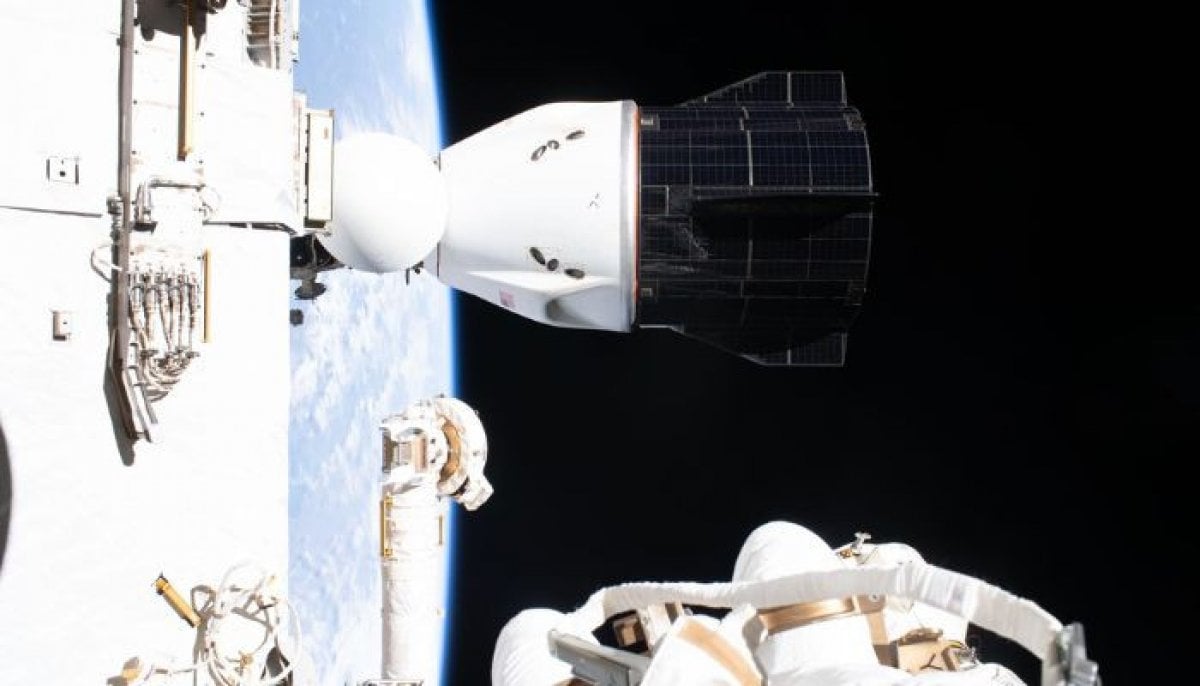 NASA's Crew-12 Dragon begins return trip from space station
 -
 Mysterious ‘phoenix planet’ found around the remains of a dying star
 -
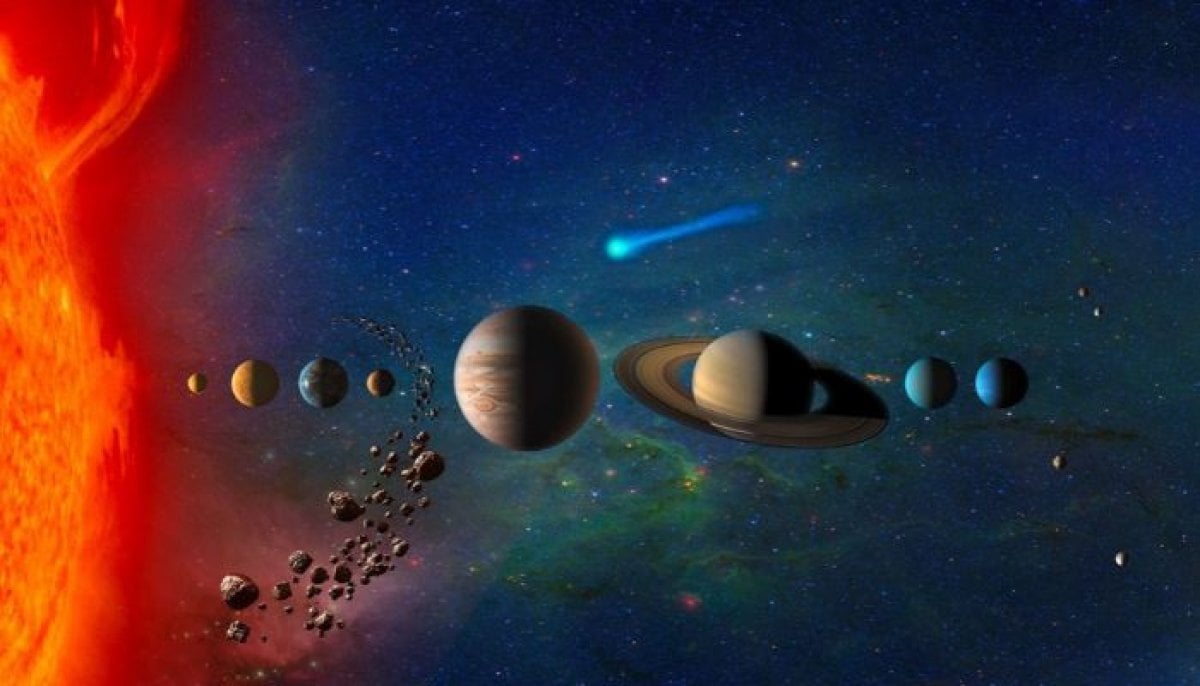 First possible evidence of Planet Nine found in infrared data
 -
 Elon Musk announces SpaceXAI rebrand to SpaceXSI following presidential order on 'Super Intelligence'
 -
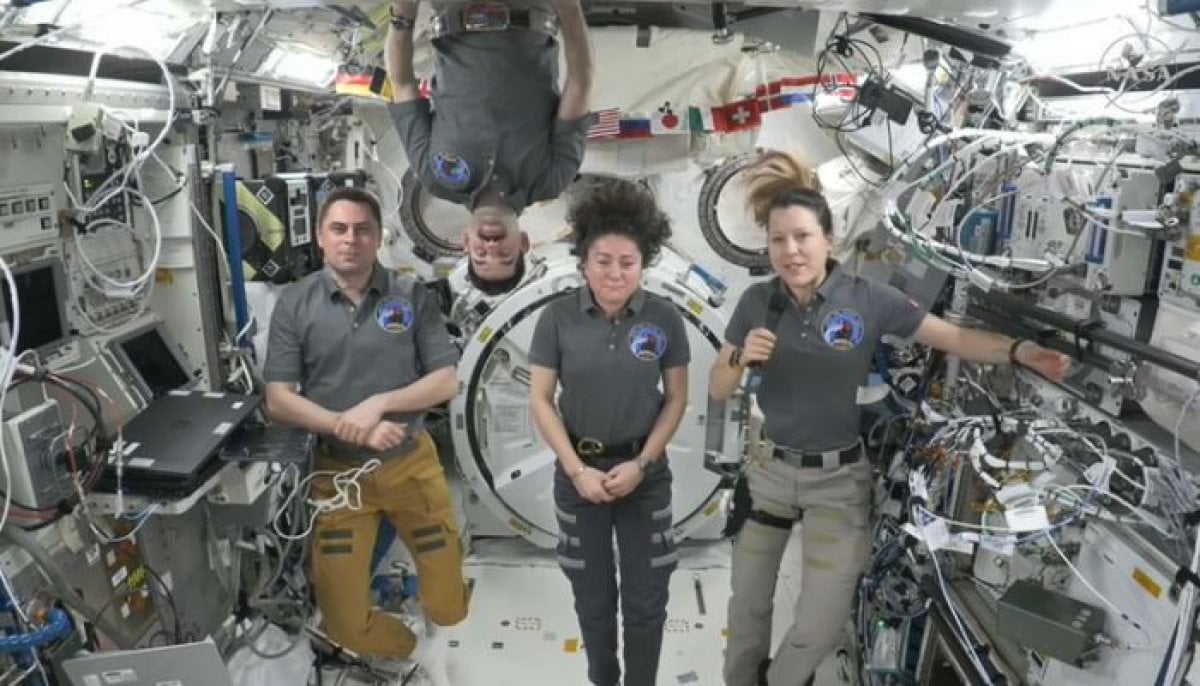 ISS Command changes hands in emotional ceremony
 -
 Moon water acts nothing like it does on Earth, study finds
 -
 Hawaii’s Hōlei sea arch collapses after centuries on Big Island: What happened