Health experts alarmed as Congo virus claims two lives in Karachi in as many days
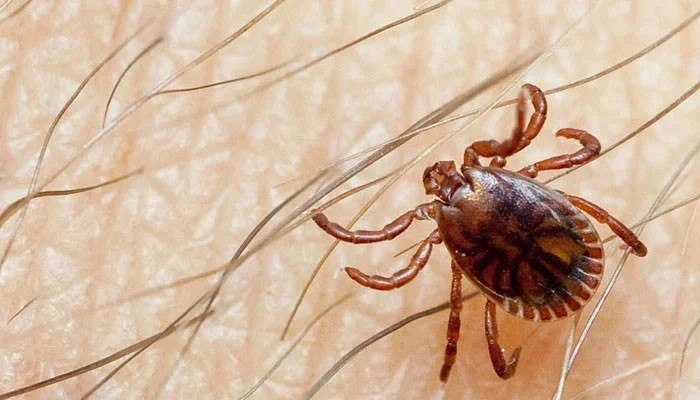
Two men have died of the deadly Congo Crimean Hemorrhagic Fever (CCHF) in Karachi in the past 48 hours, raising alarm among health authorities and infectious disease specialists amid fears of post-Eid outbreak patterns linked to the cattle trade.
The latest victim, a 26-year-old resident of Ibrahim Hyderi, died on Wednesday at the Infectious Diseases Hospital Karachi. According to Dr Abdul Wahid Rajput, the patient was brought in from Jinnah Postgraduate Medical Centre in a semi-conscious state with high-grade fever and symptoms of internal bleeding.
“He was bleeding from multiple sites and had all classic signs of CCHF. We did everything possible, but his condition rapidly deteriorated,” he said. This was the second death in as many days. A 42-year-old man from District Malir had earlier tested positive for Congo virus on June 16 and died the following day during treatment, making him the first confirmed fatality from the virus in Sindh this year.
Both cases have been reported in areas with high livestock interaction, fuelling concern among experts about zoonotic transmission linked to the Eidul Azha cattle movement. CCHF, a tick-borne viral disease commonly found in livestock, particularly cattle and goats, is often transmitted to humans through close contact with infected animals or their blood. With Karachi being a major hub for the sale and slaughter of sacrificial animals during Eid, medical professionals have repeatedly warned about the heightened risk of Congo virus cases during and after the festival.
“Infection rates tend to spike during Eidul Azha when people from urban settings, often unaware of proper animal handling protocols, come in contact with potentially infected livestock,” said Dr Rajput, cautioning that the situation could worsen without preventive steps. Last year, several cases of CCHF were also reported from across Balochistan and Sindh, prompting the World Health Organisation (WHO) and provincial health departments to issue precautionary guidelines. However, experts say limited public awareness, inadequate tick control measures, and a lack of personal protective gear for animal handlers remain major hurdles in curbing the spread.
Doctors have urged the public, especially those visiting or working in cattle markets, to wear gloves and protective clothing and immediately seek medical help if symptoms such as sudden fever, body aches or unexplained bleeding appear. Early diagnosis and isolation are critical, as CCHF has a high fatality rate and can also spread from human to human through contact with bodily fluids.







-
 Enjoy Lee, Takaichi’s Viral Jamming Session, In Case You Missed It
 -
 MrBeast Admits He's Unsure About Having Kids - Here's Why
 -
 Prince Harry Carries Heartbreaking Hope For Archie, Lilibet Who Are Not Sharing In Their Royal Heritage
 -
 Tom Brady Breaks Silence On 'personal Life' After Alix Earle Rumors
 -
 Guy Fieri Drops Health Update After Accident That Left Him In A Wheelchair
 -
 Experts Weigh In: Is Prince Harry Operating A PR Stunt Or The Invictus Games’
 -
 Inside Kate Middleton’s Biography With Secrets From St Andrews To Harry & Meghan’s Royal Exit
 -
 Paul Mescal Reveals Shocking Move He Made In 'Hamnet'
 -
 'Kanye West Is Human Too'
 -
 Prince William Hands Kate Middleton Something Highly Sensitive To Manage With Coronation
 -
 Critics Get Honest About 'A Knight Of The Seven Kingdoms'
 -
 Why Harry Unlikely To Meet William, Kate During UK Return?
 -
 X To Change AI Chatbot 'Grok' After Outrage Over Explicit Deepfake Images
 -
 Princess Eugenie Set To Hit New Milestone As Andrew's Eviction Looms
 -
 Emilia Clarke Gets Honest About Featuring In Shows Like 'Game Of Thrones'
 -
 Amazon Employees’ Break-time Fight Ends In Murder In Texas