
Rawalpindi’s green crisis: pollution rises as nature fights back
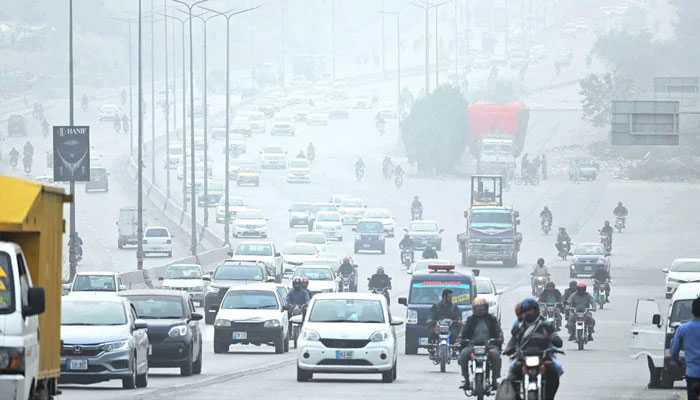
Rawalpindi:Once known for its scenic beauty and green belts, Rawalpindi is now choking under rising pollution levels, disappearing trees, and mounting waste. From the bustling streets of Raja Bazaar to the fading green corners of Satellite Town, the city is facing a severe environmental crisis one that threatens public health and future generations.
“Over the past decade, Rawalpindi’s rapid urbanization and lack of sustainable planning have turned it into a concrete jungle. Open spaces are shrinking, air quality continues to deteriorate, and seasonal smog has become a new normal during the winter months,” says Shabbir Hussain. “According to a 2024 report by the Punjab Environmental Protection Agency (EPA), the city’s Air Quality Index (AQI) frequently crosses 200, a level deemed very unhealthy,” adds Shabbir Hussain.
“Residents are noticing the change. We used to play under big trees near Liaquat Bagh. Now it is just roads and buildings. The air doesn’t feel the same,” recalls Muhammad Baqir, a 60-year-old local. “Unmanaged garbage is another growing problem. Piles of plastic and household waste can be seen along roadsides and in nullahs, especially in low-income neighborhoods. While the Rawalpindi Waste Management Company (RWMC) runs cleanup drives, lack of civic responsibility and enforcement keeps reversing progress,” says Nadeem Abbas.
“Water pollution, too, is raising concerns. Nullah Leh, once a cleaner stream, now carries industrial and residential waste, threatening aquatic life and exposing people to diseases during monsoon overflows,” says Shama Ali. “However it’s not all doom and gloom. Youth-led initiatives and community groups are fighting back. A local NGO, Clean Green Rawalpindi, has been organizing tree plantation drives and environmental awareness sessions in schools. Last month, they planted over 1,000 indigenous trees in collaboration with the Parks and Horticulture Authority (PHA),” says Nafeesa Batool.
“We can’t just blame the government. It is our city. If we don’t act now, we might lose it forever,” says Zahra Tariq, a university student and volunteer. “Experts say that the solution lies in a multi-pronged approach: strict enforcement of pollution control laws, increased green cover, efficient waste management, and most importantly, public participation,” says Fatima Noor.
“Environmental awareness needs to be part of daily life, not just slogans. We need to think long-term, not just for ourselves, but for the generations to come,” says Dr. Imran Khalid, an environmental science professor.







-
 ‘Terms Aren't Good Enough’: Trump Resists Iran Deal Despite Global Turmoil
 -
 Shopify CEO Uses Claude AI To Build MRI Viewer
 -
 Warning Issued: Savannah Guthrie Mom Nancy's Kidnapper Could Strike Again
 -
 ByteDance Seedance 2.0 Global Rollout Pause Over Copyright Claims
 -
 Royal Expert Breaks Silence On Meghan Markle, Prince Harry's Reaction
 -
 Cameron Diaz Spotted Filming New Project In New York As Acting Comeback Resumes
 -
 Inside King Charles’ ‘delicate Position’ Over Andrew: Will He Be Stripped More?
 -
 Jennifer Aniston’s Ground-breaking Skincare Secret Revealed
 -
 ‘Savior’ Of The Firm Kate Middleton Gets Her Time In The Sun: ‘Such A Blend Of Tradition & Modernity’
 -
 Tim Meadows Nominates Actor He Knows To Be The Funniest Person
 -
 Inside ‘deranged’ Claims Against Prince Harry, Meghan Markle: ‘Its Gone From Criticism To Fixation’
 -
 Queen Elizabeth, Prince William Tea Time Essential Spilt By Expert
 -
 Prince Harry Trip To Australia ‘is Not About Money’
 -
 Kris Jenner Lets Out ‘troublesome’ Opinions About College Education
 -
 James Cameron Fawns His Friendship With Sigourney Weaver
 -
 King Charles, Camilla To Snub Prince Harry’s America Meet-up Attempt