
Agrochemical ban threatens crop yields, industry warns
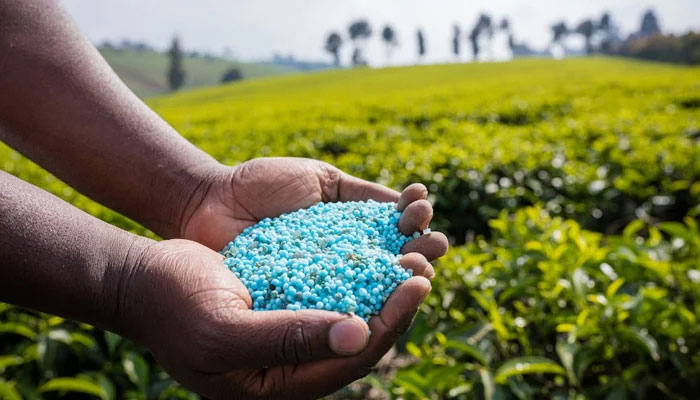
LAHORE: The federal government’s proposed ban on 12 key agrochemical active ingredients (AIs) has raised concerns within the agricultural sector.
The decision, discussed during the 62nd meeting of the Agricultural Pesticides Technical Advisory Committee (APTAC), was taken without reaching a consensus among stakeholders or following statutory procedures, according to a leading industry representative.
According to a senior member of CropLife Pakistan, industry experts fear the ban will harm crop production, increase costs for farmers and discourage future investment in the agriculture sector.
Pakistan’s pesticide regulations clearly stipulate that active ingredients should only be banned if they fall under the World Health Organisation’s (WHO) highly hazardous pesticides (HHP) categories 1a and 1b or are listed in Annexure-III of the Rotterdam Convention. However, this proposed ban appears to be based on non-scientific grounds, without considering the residue management strategies employed by other countries. The issue is not the pesticides themselves but rather their misuse or off-label application. Therefore, the focus should be on ensuring correct usage and handling practices to address these challenges effectively.
Addressing pesticide residues in rice exports is crucial, but imposing a blanket ban is a hasty decision that fails to tackle the root cause. Comparing it to banning life-saving medicines due to misuse, an industry representative stressed that the emphasis should be on responsible application and enforcement rather than outright elimination.
He warned that this ban would have severe consequences. Farmers would suffer as these AIs are essential for pest control in rice, wheat, cotton, fruits and vegetables, and their removal would lead to lower yields, higher costs and potential food security risks. The limited availability of alternatives means that a sudden shift could accelerate pest resistance, making future pest control even more difficult.
A blanket ban could create supply-demand gaps, causing shortages, disrupting agricultural production and negatively affecting rural livelihoods. The industry fears that this decision could also drive away foreign investment, as multinational companies have already invested millions in the sector, and such policy uncertainty could damage investor confidence in Pakistan’s regulatory framework. Moreover, reduced crop protection would pose a direct threat to both domestic food security and international exports.
The primary issue, industry experts argue, is not the pesticides themselves but their improper use and storage. Around 50 per cent of residue problems stem from mishandling in grain storage facilities, which could be resolved through better training for sheller workers. Another major challenge is late-season pest attacks, for which there are currently limited control options. The industry urges the prime minister and the Ministry of National Food Security to reconsider the ban and instead collaborate on a science-based approach. Experts suggest that the government should focus on educating farmers about the proper use of pesticides, implementing residue monitoring and enforcement measures, providing premium incentives for compliant rice production, and partnering with REAP and other relevant stakeholders to promote cluster farming and sustainability initiatives.
They further add that banning these AIs will not resolve the issue but could instead deprive Pakistan of vital crop protection tools. The industry remains committed to working with the government to develop a science-based strategy that safeguards exports and ensures local food security. It is essential to act prudently to protect the future of agriculture in Pakistan.







-
 Prince William, Kate Middleton Push Drastic Changes
 -
 Prince William Has ‘little Forgiveness’ In Heart For Prince Harry
 -
 Netflix Eyes Shock Revival Of 'The Crown' After Andrew Mountbatten Windsor Controversy
 -
 Jennifer Aniston's Beau Jim Curtis Becomes Her Guiding Light
 -
 Prince Harry, Meghan Markle Swimming Dangerous Waters With Australia Trip
 -
 Lewis Hamilton Warned Against Kim Kardashian Romance To Save Brand Name
 -
 'American Pie' Star Shannon Elizabeth Makes Rare Admission About Legacy Role
 -
 Prince William Spectates Team Wales During Rugby Match In Cardiff
 -
 Teyana Taylor Drops Cryptic Hint About What Could Happen At The Oscars
 -
 Andrew Mountbatten Windsor, Sarah Ferguson 'flagged By Intelligence Services'
 -
 Kim Kardashian Headed For Another Love Crash With Lewis Hamilton
 -
 Kris Jenner Recalls Trying To Save Kylie Jenner From 'biggest Failure' Of Life
 -
 Britney Spears Leaning On The Kardashians Post DUI Arrest
 -
 Meghan Markle And Prince Harry Attending Oscars 2026?
 -
 Yalda Hakim Gets Roasted Over Comments On Scott Bessent Interview Interruption
 -
 Inside Elizabeth Chambers 'very Private' Breakup From 2025