
Tackling terrorism to boost economic growth
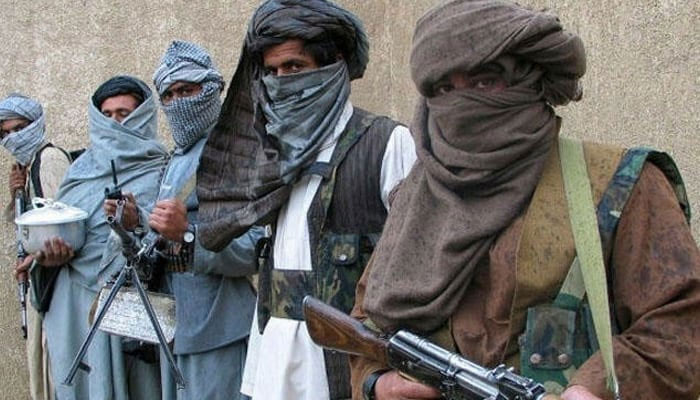
LAHORE: The ongoing wave of terrorism in Pakistan is significantly hindering economic progress, particularly in regions with low industrialisation but high tourism potential, such as Khyber Pakhtunkhwa (KP), Balochistan, and parts of Gilgit-Baltistan (GB).
Terrorism creates an environment of uncertainty, deters investment and diverts resources from productive sectors to security expenditures. While Pakistan’s core industrial hubs remain relatively safe, economic diversification through tourism and resource extraction remains underutilised due to persistent security threats.
The economic impact of terrorism spans multiple sectors, from tourism to industrialisation. Tourism, for instance, has not reached its full potential in Pakistan. While the country’s northern areas attract large numbers of domestic tourists and some international visitors, regions like Swat, Chitral and GB -- renowned for their natural beauty -- suffer direct economic losses due to insecurity. Both domestic and foreign tourists avoid these areas, leading to declining revenues for hotels, transport services and local businesses. Many residents rely on tourism for their livelihoods, and even a few high-profile terrorist incidents can deter visitors for years, as seen following the 2013 Nanga Parbat attack on foreign mountaineers.
Security concerns also discourage private investment in infrastructure, hospitality and eco-tourism projects. Similarly, foreign and local investors hesitate to invest in industries such as mining in Balochistan and energy projects due to security risks. Government spending on development projects is often delayed or redirected towards counterterrorism efforts.
While Pakistan’s main industrial hubs are not directly affected by terrorist activities, trade disruptions and reduced demand for goods in conflict-affected areas create indirect economic consequences. Major industrial zones are located in Punjab and Sindh, but instability in KP disrupts trade with Afghanistan and Central Asia, limiting Pakistan’s transit trade potential; in Balochistan, CPEC projects face delays because of an uncertain environment.
The financial strain of terrorism is also significant, particularly given Pakistan’s ongoing economic crisis. Increased defence and security expenditures divert funds away from development and social welfare programmes. Businesses and industries face higher operational costs due to security measures, insurance, and risk premiums. Even in areas unaffected by terrorism, small businesses hire security guards, while larger companies operate costly security systems, further driving up expenses. Another major challenge is brain drain and workforce disruption. Professionals and skilled workers avoid insecure regions, leading to a shortage of local talent. Those who manage to migrate abroad create a severe skills gap. Education institutions in affected areas also suffer, limiting human capital development. Unfortunately, these regions are already lagging in education and overall human development.
Pakistan urgently needs stability to foster economic growth. If security improves, the country’s untapped potential in tourism and mining could contribute significantly to economic progress. Stability would also allow the people in affected regions to improve their quality of life and access better economic opportunities.


