
World AIDS Day
In Pakistan, number of HIV cases is steadily increasing, particularly among vulnerable groups like drug users
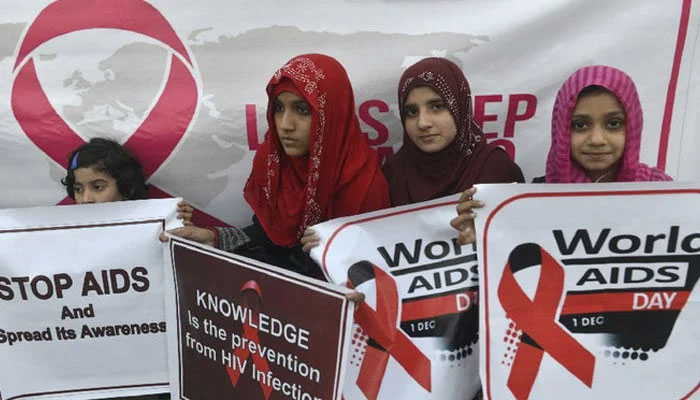
December 1 serves as a poignant reminder to honour the lives lost to AIDS and to renew global efforts in combating the disease. Since the advent of the epidemic, over 36 million people have died from AIDS-related illnesses worldwide. For much of its early history, the disease was cloaked in stigma and misinformation. Many patients, fearing ostracisation, kept their diagnosis secret. Families, under the erroneous belief that AIDS spread through casual contact, often isolated their loved ones, amplifying the suffering of those already facing a terminal illness. In Pakistan, while the prevalence of AIDS remains relatively low, the number of HIV cases is steadily increasing, particularly among vulnerable groups such as drug users, transgender individuals, and prisoners. These communities often occupy the margins of society, deprived of adequate care and attention. This marginalisation reflects broader societal neglect and exposes systemic gaps in addressing public health crises.
Unfortunately, the momentum built by media campaigns in the 1990s to raise awareness about AIDS has largely dissipated. Little has been done in recent years to educate the public or empower them with the knowledge necessary to confront the disease. Structural deficiencies in Pakistan’s healthcare system exacerbate this issue. A glaring example is the Sindh scandal, where hundreds of children contracted HIV due to medical negligence – an incident that underscores the urgent need for stricter regulatory oversight and comprehensive healthcare planning. World AIDS Day is also a moment to call upon global leaders to champion equitable healthcare. Access to affordable treatment remains a significant challenge, particularly in low-income countries. The debate in the US over allowing pharmaceutical companies to set exorbitant prices for life-saving drugs highlights the ethical dilemmas that persist. Global observances like this should push for policies that ensure affordable medication, especially for underserved populations.
Public awareness campaigns must be reinvigorated, starting with schools and colleges, to educate young people about AIDS and encourage them to support affected individuals. The collective effort seen during the Covid-19 pandemic – where countries collaborated to develop treatments and distribute vaccines – offers a model for addressing other health crises. Health is the cornerstone of any nation’s progress. Economic growth and geopolitical ambitions mean little without a healthy population to sustain them. It is time for governments, civil society, and individuals to prioritise healthcare, not just in words but through actionable policies and initiatives. Let December 1 be a catalyst for change – a day more to mobilise than anything else.







-
 Angelina Jolie, Brad Pitt's Daughter, Shiloh Makes Surprise Music Video Debut
 -
 ‘Very Angry’ Sarah Ferguson Finally Willing To Sell Out The King & Firm?: Inside Revenge Plans
 -
 Blac Chyna Escalates Legal Battle With Multi-million Dollar Cross-complaint Against Twin Hector
 -
 Meghan Markle Reacts To Patrick J Adams 'jam' Complaint
 -
 Why Attorney Says Justin Baldoni 'not Off The Hook' Despite Court Ruling? Report
 -
 'Abuses' Shouted At Andrew Mountbatten-Windsor As Protesters Breach Security
 -
 Jenna Dewan Reveals Mindset She Follows When Life Gets 'nuts'
 -
 Erika Kirk Dating Claims Surface As She Reclaims Charlie Kirk's Legacy
 -
 Karoline Leavitt Joins Erika Kirk At Washington Event
 -
 Lizzo Reveals Major Update About Her Sobriety Journey
 -
 Princess Beatrice’s Husband Edo ‘questioning Marriage’: ‘His Standing & Status Is Impacted’
 -
 Petition To Strip Blake Lively Of 'It Ends With Us' PGA Credit Gains Massive Support
 -
 New Development In Blake Lively Lawsuit After Judge Dismisses Major Claims
 -
 Blake Lively, Taylor Swift Texts Resurface After Court Ruling
 -
 Prince Harry’s Behavior Towards Queen Elizabeth Gets Exposed: ‘He Drove Her To Paranoia’
 -
 Blake Lively, Justin Baldoni's Legal Case Receives Latest Update