
Punjab enforces law for swift, cheap justice across province
Earlier this law was enforced only to the extent of Lahore
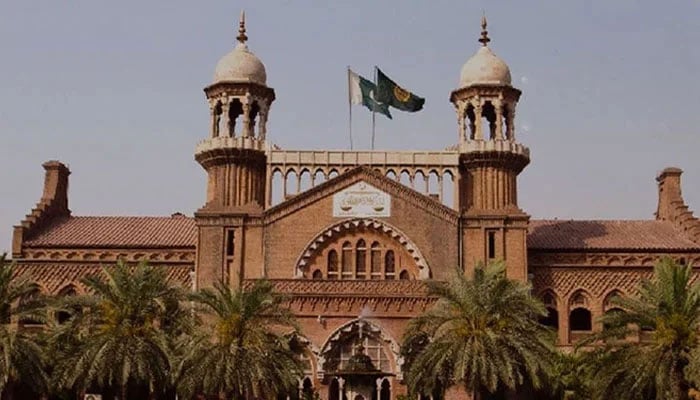
LAHORE: The Punjab government has implemented the Alternate Dispute Resolution (ADR) Act 2019 for the first time in history to ensure swift and cheap justice across the province. Earlier this law was enforced only to the extent of Lahore.
According to the documents obtained by the reporter, implementation of the Punjab Alternative Dispute Resolution Act, 2019 aims at speedy justice in cases pending in both civil and criminal courts. After enactment of the Act, civil courts would, with the consent of the parties, refer the cases to persons selected for Alternative Dispute Resolution (ADR) within 30 days of submission of the written statement. Other civil cases including rent, property disputes, family matters and commercial contracts could be referred to such persons for dispute resolution. The ADR persons may include lawyers, doctors, engineers and other professionals, apart from political and social personalities.
The ADR persons may include the parties themselves, their counsel, approved dispute resolution service providers or ADR centres, law firms or institutions, etc.
Cases registered by the police, defined under Section 345(1) of the Code of Criminal Procedure (CrPC), would be sent to the ADR with the consent of complainant, before framing of charges or within seven days of cases registration. Under Section 345(2) of the CrPC, cases could be referred to the ADR at any time after framing of charges, with the consent of the public prosecutor and the parties concerned.
The persons selected for resolution of disputes would have to complete processing of cases in 60 days, though time period can be extended up to 120 days with the consent of the court. During the dispute resolution proceedings, trial would remain suspended, but the courts may record evidence if unavoidable. The courts would have discretion and power to refer cases at any stage, with the consent of the parties concerned to persons selected for dispute resolution. The parties may choose an individual for dispute resolution by mutual agreement; otherwise, the court would appoint an individual while the costs and fees would be mutually determined by the parties. Upon successful completion of dispute resolution, the courts would give a judgment and issue an order, which would not be subject to review or appeal. The Punjab government is considering setting up an accreditation authority to oversee dispute resolution service providers and centres across the province, which would be headed by a retired judge of the Lahore High Court. This authority would register the selected persons for resolution of disputes. The initiative would not only significantly reduce the number of pending cases in courts but also help people get swift and cheap justice.


