
Jilani’s unfulfilled judicial journey
Chief Justice Iftikhar Muhammad Chaudhry wanted to appoint him to the Islamabad High Court (IHC), but Jillani faced a significant obstacle
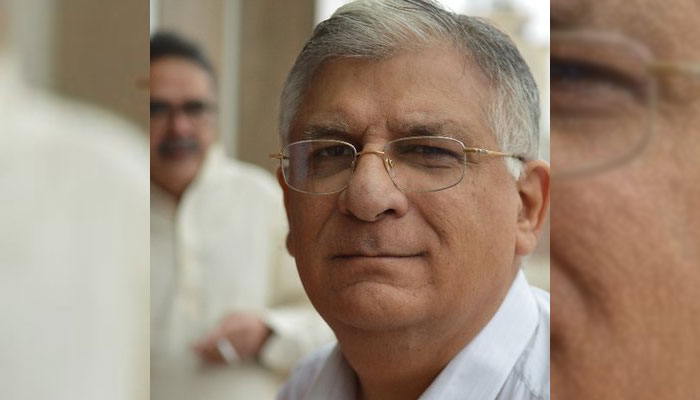
ISLAMABAD: Born in the United States to Pakistani parents, Anees Jillani is licenced to practice law in the Supreme Court of Pakistan and all the high courts.
Chief Justice Iftikhar Muhammad Chaudhry wanted to appoint him to the Islamabad High Court (IHC), but Jillani faced a significant obstacle.
Jillani held dual citizenship in the US and Pakistan. Although this is not a disqualification for becoming a judge, it posed a moral dilemma for Chief Justice Chaudhry. Jillani met the requirements for a high court judge—being a Pakistani citizen, over 40 years old, and having more than 10 years of legal practice as an eminent lawyer with an international reputation. Despite this, there was a crucial objection.
Chief Justice Chaudhry acknowledged Jillani’s qualifications but was concerned about the precedent, as he had previously disqualified lawmakers on the same grounds. He expressed that it would be inappropriate to recommend a dual national for the judiciary when he believed judges, like parliamentarians, should have undivided loyalty to one country. The suggestion to induct Jillani as a judge originated from Justice Anwar Khan Kasi, the then chief justice of the Islamabad High Court, who shared the plan with Justice Chaudhry. Justice Kasi advised Jillani to meet with Justice Chaudhry regarding his citizenship status. Jillani proposed surrendering his US citizenship upon his induction into the judiciary. However, Justice Chaudhry made it a pre-condition. Jillani consulted the US ambassador to Pakistan at that time, who advised against renouncing his American nationality. Despite this advice, Jillani applied for and successfully revoked his US citizenship.
By the time Jillani had renounced his US citizenship, Justice Chaudhry had retired in December 2013 without fulfilling the commitment. The succeeding Chief Justice, Tasadduq Jillani, did not consider him, fearing it might be seen as favouritism since both shared the same surname, though they were not related.
The next Chief Justice, Justice Nasirul Mulk, also overlooked him, and instead, Athar Minallah was appointed judge. Jillani ultimately lost his US citizenship without being inducted into the judiciary. There are no chances of restoring his citizenship easily; he would have to reapply for a green card and spend the requisite number of years in the US to qualify for citizenship again, a process he is unlikely to undertake given his commitments in Pakistan. Jillani has confirmed the details of this story.







-
 Prince William, Kate Middleton Push Drastic Changes
 -
 Prince William Has ‘little Forgiveness’ In Heart For Prince Harry
 -
 Netflix Eyes Shock Revival Of 'The Crown' After Andrew Mountbatten Windsor Controversy
 -
 Jennifer Aniston's Beau Jim Curtis Becomes Her Guiding Light
 -
 Prince Harry, Meghan Markle Swimming Dangerous Waters With Australia Trip
 -
 Lewis Hamilton Warned Against Kim Kardashian Romance To Save Brand Name
 -
 'American Pie' Star Shannon Elizabeth Makes Rare Admission About Legacy Role
 -
 Prince William Spectates Team Wales During Rugby Match In Cardiff
 -
 Teyana Taylor Drops Cryptic Hint About What Could Happen At The Oscars
 -
 Andrew Mountbatten Windsor, Sarah Ferguson 'flagged By Intelligence Services'
 -
 Kim Kardashian Headed For Another Love Crash With Lewis Hamilton
 -
 Kris Jenner Recalls Trying To Save Kylie Jenner From 'biggest Failure' Of Life
 -
 Britney Spears Leaning On The Kardashians Post DUI Arrest
 -
 Meghan Markle And Prince Harry Attending Oscars 2026?
 -
 Yalda Hakim Gets Roasted Over Comments On Scott Bessent Interview Interruption
 -
 Inside Elizabeth Chambers 'very Private' Breakup From 2025