
CCoE grants two-month extension to OGRA and refineries to resolve upgrade disputes
KARACHI: The Cabinet Committee on Energy (CCoE) has given a two-month extension to the Oil and Gas Regulatory Authority (OGRA) and local refineries to resolve the disputes related to upgradation agreements, The News learned on Friday.
The OGRA and five refineries were required to sign agreements by the deadline of November 16 under the Brownfield Refinery Policy that offered incentives and concessions to upgrade their facilities to produce cleaner fuels.
But only one refinery, Pakistan Refinery Limited (PRL), signed the agreement, while the others raised objections over some clauses, such as taxation, arbitration, and import incentives. "The matter was taken up by CCoE, and it granted a two-month extension to both OGRA and local refineries to sort out the issues for these agreements," sources privy to the development said.
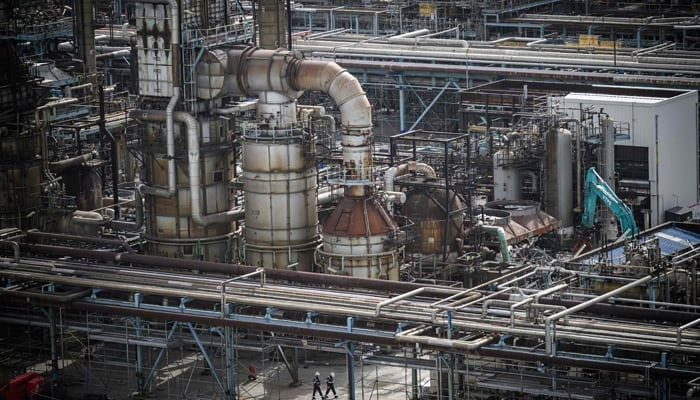
Sources said since CCoE has given a two-month extension, the matter was also debated in a meeting of the Special Investment Facilitation Council (SIFC) on Thursday, which directed that the issues hindering these agreements should be resolved soon to pave the way for new investment in the refining sector. SIFC is also involved in the issue as the matter is related to investment in the country.
Four refineries, Pak Arab Refinery Limited (PARCO), National Refinery Limited (NRL), Attock Refinery Limited (ATRL), and Cnergyico Limited, did not sign the agreements for their upgradation after raising issues over taxation, arbitration, force majeure, and import incentives, which they say are not in line with the announced policy.
The policy, which was notified on August 17, 2023, offered incentives and concessions to the existing refineries to invest in upgrading their facilities to produce Euro-V compliant fuels, which have lower sulfur content and are less harmful to the environment.
The policy required the refineries to sign an upgrade agreement with OGRA within three months, outlining their commitments, project milestones, and details.
The policy was announced to attract $4-5 billion in investment in the refining sector as the lack of investment in the refinery sector not only puts an additional burden on the foreign exchange reserves but also creates a significant dependency on imports. The policy
states that a modern refining sector will not only boost the development of allied and downstream sectors of the economy but will also lead to industrial development, which is critical for economic growth. Furthermore, the modernization also benefits the end consumer, along with all the stakeholders, as productivity is optimized, and economic activity in nearby areas increases.


