
Burning up
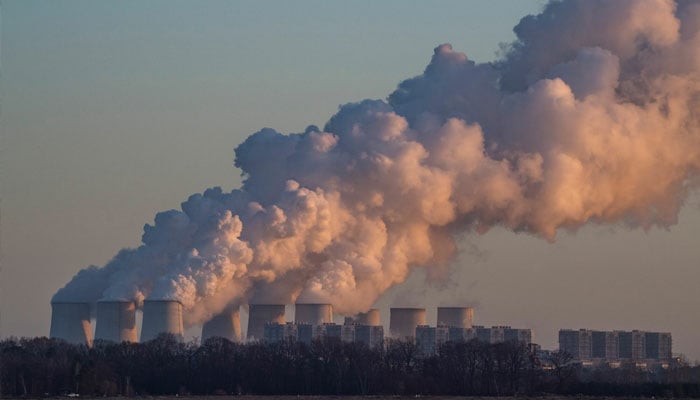
The year 2023 is all set to become the warmest year in history. The most recent report by the EU´s Copernicus Climate Change Service (C3S) highlights that last month was the hottest October in history. The disastrous effects of climate change have now become too visible. While certain parts in the US and Mexico suffered droughts this year, countries in other parts of the world recorded extreme rainfall, raising alarm bells among countries. Scientists have already explained that climate change is a direct result of our unchecked practices. The capitalist growth model has had devastating effects on the environment, and yet governments around the world are not ready to listen. And when we talk about our carbon footprint, we remain more focused on how our travel and other habits are affecting the environment. What remains hidden from the conversation is the ever-expanding weapons industry. Sophisticated weapons today are capable of inflicting irreversible damage, and yet the developed world is keen to expand its arms trade. In the Middle East, the ongoing conflict has seen an alarmingly high use of bombs where a settler state is not careful about the implications of using disastrous bombs on a small strip of land.
The publication of the report is timely as world leaders are now gearing up to meet in Dubai, United Arab Emirates for COP28 – the annual climate conference. There are some whispers among climate experts that the meeting will allow countries to pay attention to the issue more attentively. But certain factors imply that it may not be as beneficial as one would like it to be. For instance, last year, the biggest achievement of COP27 was the launch of a Loss and Damage Fund that was supposed to receive contributions from developed countries and distribute them to low-income climate-affected countries to help them make up for climate-induced losses. So far, there has been no remarkable progress in that regard with rich nations still unsure if they are liable for helping other countries fight against climate change.
For now, one solution that countries have come up with is encouraging vulnerable countries to produce carbon credits through environment friendly programmes. And while these initiatives allow polluters to keep up with their polluting habits, they may not be all too beneficial for developing countries. For instance, for the programmes to be eligible for trading, countries should first reach their NDC (Nationally Determined Contribution) targets. This further narrows down the window that they have to carry out development work. Countries have to look at this issue from all angles and come up with a foolproof plan to meet countries’ financial needs to fight against climate change.







-
 Angelina Jolie, Brad Pitt's Daughter, Shiloh Makes Surprise Music Video Debut
 -
 ‘Very Angry’ Sarah Ferguson Finally Willing To Sell Out The King & Firm?: Inside Revenge Plans
 -
 Blac Chyna Escalates Legal Battle With Multi-million Dollar Cross-complaint Against Twin Hector
 -
 Meghan Markle Reacts To Patrick J Adams 'jam' Complaint
 -
 Why Attorney Says Justin Baldoni 'not Off The Hook' Despite Court Ruling? Report
 -
 'Abuses' Shouted At Andrew Mountbatten-Windsor As Protesters Breach Security
 -
 Jenna Dewan Reveals Mindset She Follows When Life Gets 'nuts'
 -
 Erika Kirk Dating Claims Surface As She Reclaims Charlie Kirk's Legacy
 -
 Karoline Leavitt Joins Erika Kirk At Washington Event
 -
 Lizzo Reveals Major Update About Her Sobriety Journey
 -
 Princess Beatrice’s Husband Edo ‘questioning Marriage’: ‘His Standing & Status Is Impacted’
 -
 Petition To Strip Blake Lively Of 'It Ends With Us' PGA Credit Gains Massive Support
 -
 New Development In Blake Lively Lawsuit After Judge Dismisses Major Claims
 -
 Blake Lively, Taylor Swift Texts Resurface After Court Ruling
 -
 Prince Harry’s Behavior Towards Queen Elizabeth Gets Exposed: ‘He Drove Her To Paranoia’
 -
 Blake Lively, Justin Baldoni's Legal Case Receives Latest Update