
Pakistan divided on legacy of military ruler Musharraf
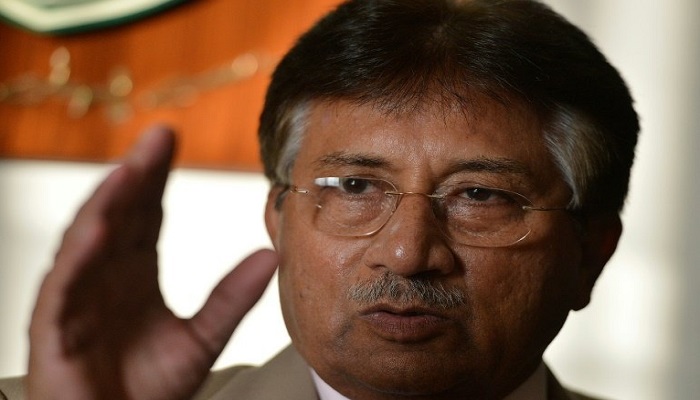
ISLAMABAD: Pervez Musharraf was a polarising figure in Pakistani politics, returning the country to a period of economic stability while accused of rampant abuses and weakening democracy.
“Musharraf boosted education standards and infrastructure in Pakistan. He brought development to the country,” 24-year-old student Mohammad Waqas told AFP in Islamabad. “But on the other hand, the country suffered losses in the face of terrorism. Entering America’s war weakened our own country.”
Pakistan is currently undergoing yet another economic crisis, and widespread political uncertainty ahead of elections due later this year. In the face of the turmoil, some remember Musharraf with a certain fondness.
“He was a good ruler. There has not been a leader like him before and there will never be one like him again,” said 70-year-old Islamabad shopkeeper Muhammad Khan. Veteran Pakistani politician and Musharraf ally Parvez Elahi told AFP: “He was a ruler with a lot of depth, who loved hard work and he would appreciate new initiatives”.
In 2006 — at the height of their alliance — US President George W. Bush called Musharraf “a strong, forceful leader [who] has become a target of those who can’t stand the thought of moderation prevailing.” His moves to overthrow an elected government and to suspend the constitution for long periods, however, also frame his legacy.
“His one act, which will be remembered throughout history, was he violated the constitution,” retired civil servant Naeem Ul Haq Satti told AFP. “The most important thing a country has is its constitution,” the 69-year-old added.
As he faced growing pressure for democratic elections, Musharraf´s oppression of critics worsened. He suspended the constitution for a second time in 2007, rounded up thousands of opponents and sacked the chief justice, leading to widespread protests.
“General Musharraf was one of the military dictators who misruled the country by... bringing in a group of sycophants,” businessman Abdul Basit told AFP in the Balochistan provincial capital of Quetta. “People do give credit to General Musharraf for developing the country but on the other hand, like his predecessors, he played havoc,” said Basit.






-
 Sofia Richie Grainge's Newborn Son's Nursery Is An Inspiration: Watch
 -
 Billy Ray, Noah Cyrus Take Fans 'on Our Way' In Heartwarming New Song
 -
 Robert Pattinson 'number One Thing' He Judges In Movies Amid 'The Drama' Release
 -
 'The Young And The Restless' Star Dee Freeman Passes Away At 66
 -
 Tragedy At Peru Football Derby: One Dead, 47 Injured In Rally At Alejandro Villanueva Stadium
 -
 Where Vanessa Trump Stands With Tiger Woods Amid DUI Drama
 -
 NASA Artemis II Moon Mission Captures Stunning Earth Images During Historic Lunar Journey
 -
 Kanye West And Lauryn Hill Send SoFi Stadium Into Total Meltdown: 'GOAT Is Back'
 -
 Canadian Citizenship New Eligibility Rules Explained: Who Qualifies And What Has Changed
 -
 Naomi Scott Reveals ‘encouraging’ Aspect Of Making Debut In Music
 -
 Polar Vortex Enters Final ‘seasonal’ Phase: Rare Shift Signals Winter Weather Risks Into April
 -
 Meta Pauses Mercor Work After Major Data Breach
 -
 A10 Warthog Hit As US Jet Downed In Iran, One Crew Rescued And Search Underway For Second
 -
 Zach Bryan Reveals Why He Cancelled Oklahoma Concert At Last Minute
 -
 Meningococcal Disease, Dangerous Bacterial Infection, Hits Decade High In Canada
 -
 Blake Lively's Latest Statement Shakes Up Legal Battle With Justin Baldoni