Coconuts thrive in coastal regions, and Pakistan’s southern shoreline along the Arabian Sea provides a natural environment for their growth....

world coconut day
Coconuts hold a special place in many parts of the world, where they are not only a staple food but also a source of livelihood and tradition. In countries like India, Sri Lanka, the Philippines, and Indonesia, large-scale coconut farming plays a vital role in both local economies and cultural practices. Pakistan, though not a major producer, also shares a unique connection with this versatile fruit. Here, coconuts are valued for their nutritional benefits, their presence in food and cultural customs, and their contribution to small-scale trade. They offer both nourishment and opportunities for economic activity. World Coconut Day, observed each year on 2nd September, serves as a reminder to reflect on how the fruit is used locally, its untapped potential, and the role it could play in strengthening the country’s agricultural sector.
Coconuts thrive in coastal regions, and Pakistan’s southern shoreline along the Arabian Sea provides a natural environment for their growth. In Sindh, particularly Karachi and its surroundings, coconut trees are a familiar sight, lining streets, parks, and beaches. Areas like Clifton and Defence are especially known for their tall coconut palms, which not only enhance the city’s beauty but also provide coconuts for food, religious rituals, and decoration. Beyond Karachi, smaller groves are found along the Balochistan coast, especially near Gwadar and Pasni, where the warm climate also favours their cultivation.
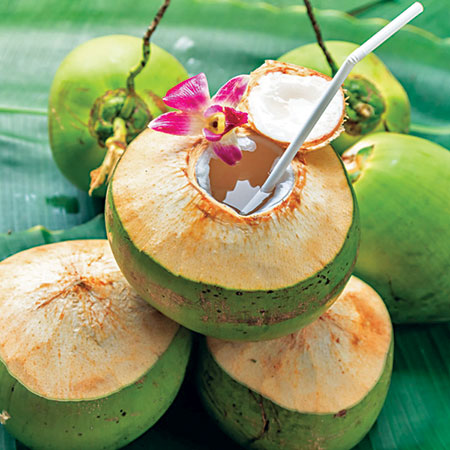
In Pakistan, coconuts are most commonly enjoyed fresh. Street vendors at beaches and bustling markets sell tender green coconuts filled with sweet, cooling water - a favourite natural drink in the scorching summer months. Valued for its refreshing taste, coconut water is often preferred over fizzy beverages and is considered a healthier alternative. Packed with natural electrolytes, it is also recommended for quick recovery from dehydration or illness. Beyond the fresh variety, the dried form of coconut, locally known as khopra, holds an important place in Pakistani kitchens. Shredded khopra is added to traditional sweets, desserts, and even savoury dishes, lending them a rich flavour and unique texture.

Besides, coconuts are used in many traditional sweets such as barfi, laddoo, and different kinds of halwas. Coconut shavings are also popular for decorating desserts like kheer and sheer khurma. In savoury dishes, coconut milk and grated coconut are used in curries and chutneys, influenced by South Indian and Goan cuisines that came to Karachi through migration and cultural exchange. Communities such as Goans, Mangaloreans, and Malayali Christians have kept these recipes alive, adding richness to Karachi’s diverse food culture. Coconut oil, once common in regional cooking, is also making a comeback among health-conscious urban families who prefer natural and organic ingredients.
Beyond their role as food, coconuts carry religious and cultural significance in Pakistan. For the Hindu community in Sindh, they are considered sacred and are offered in temples during prayers and ceremonies, with the act of breaking a coconut symbolising purity and the removal of obstacles. Among Muslim families, coconuts are shared on joyous occasions - such as weddings, the birth of a child, or a pilgrim’s safe return - often in the form of traditional coconut sweets.
Economically, coconuts in Pakistan are still an underused resource. Despite their presence along the coast, the country continues to import a large amount of coconuts and by-products to meet the demand. These include desiccated coconut, coconut oil, and packaged coconut water, which are becoming increasingly popular among the people looking for healthier options. Local production is small and mostly unorganised, with trees planted more for decoration than farming. This offers a chance for agricultural experts and entrepreneurs to invest in proper coconut farming, processing, and related industries. Such efforts could create jobs, cut down imports, and even allow Pakistan to export coconut products to neighbouring countries and beyond.
World Coconut Day also highlights the environmental benefits of coconut trees. These trees are hardy and can grow in sandy, salty soil, making them ideal for Pakistan’s coast, where other crops struggle. They prevent soil erosion, provide shade, and support local wildlife. Their by-products are highly useful: husks are made into ropes, mats, and brushes; shells become charcoal, utensils, or decorative items. By adopting such practices, Pakistan could reduce waste, support eco-friendly industries, and improve incomes for coastal communities.
Coconuts also have significant health benefits. Coconut water is low in calories, cholesterol-free, and rich in potassium, making it excellent for hydration. Coconut oil is recognised for its medium-chain fats, which aid metabolism. Coconut flesh provides fibre, while coconut milk is a good dairy alternative for the people who are lactose intolerant.
The global demand for coconut-based products is growing fast. Items such as coconut flour, coconut sugar, virgin coconut oil, and bottled coconut water are highly sought after in health-conscious markets across Europe and North America. Pakistan, due to its location close to the Gulf countries, could tap into these markets, where the demand is also rising. Supporting research, encouraging innovation, and forming partnerships between the public and private sectors could help Pakistan build a presence in this expanding global industry.
Tourism provides a valuable opportunity to promote coconuts. Coastal destinations such as Karachi and Gwadar could highlight coconut water stalls, coconut-based snacks, and handicrafts made from shells and husks - enriching the visitor experience while supporting local livelihoods. World Coconut Day could be celebrated with fairs, food festivals, and cultural showcases that reflect coastal traditions. Educational institutions might also take part through essay competitions, awareness sessions, and tree-planting drives, encouraging young people to appreciate and safeguard this versatile fruit.
Pakistan can learn valuable lessons from neighbouring countries that have developed strong coconut industries. Sri Lanka, for example, has an advanced coconut research institute and exports high-quality coconut products worldwide. Kerala in India is famous for coconut-rich cuisine, coir crafts, and cooperatives that support local farmers. Philippines and Indonesia lead global exports of coconut oil and desiccated coconut. By learning from these examples and adapting them to local realities, Pakistan could strengthen its coconut sector.
As Pakistan addresses the pressing issues of food security, employment, and environmental sustainability, exploring underutilised resources such as coconuts could offer valuable solutions. By taking practical steps to harness the hidden potential of its coastal resources, the country can not only strengthen local resilience but also contribute to the global movement that seeks to value and protect nature’s gifts.
The writer is a seasoned journalist and a communications professional. He can be reached at tariqkik@gmail.com