Often referred to as the ‘Game of Kings’, World Chess Day is a tribute to one of humanity’s oldest and most intellectually captivating games. Read on…
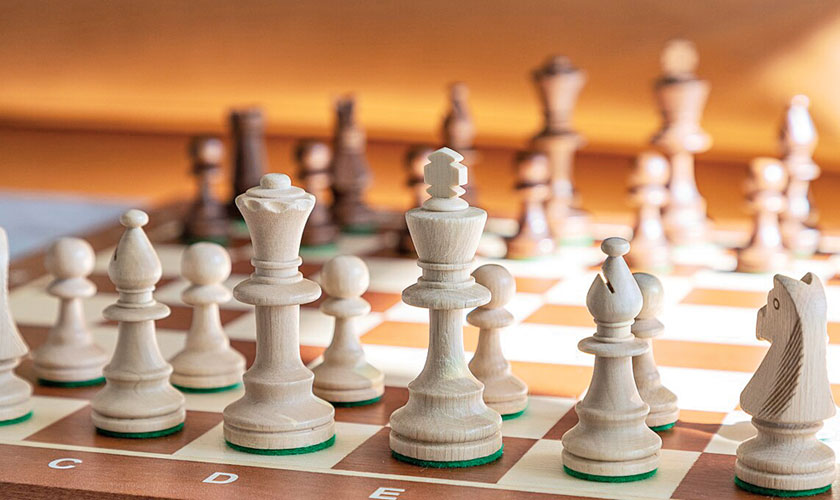
world chess day
Every year, the world comes together on July 20 to celebrate World Chess Day, marking the founding of the International Chess Federation (FIDE) in 1924. Chess, often seen as a game of intellect and patience, has long been regarded not only as a sport but also as a form of mental discipline. It helps develop strategic thinking, problem-solving abilities, and focus. Around the world, it is not just a pastime but a recognised tool for education, cognitive development, and even diplomacy.
In Pakistan, chess - often played in homes and clubs - has always been a game that quietly yet steadily attracted people from all walks of life. Unfortunately, despite its potential, chess, in Pakistan, has not been given the attention or institutional support it deserves.
Historically, chess has deep roots in South Asia. Many historians trace the origin of modern chess to an ancient Indian game known as ‘chaturanga’, which evolved over time and spread to Persia and the Islamic world, eventually reaching Europe. Given this regional heritage, Pakistan naturally inherited a cultural connection to chess.
The Pakistan Chess Federation (PCF), the main body responsible for promoting the game, has been active for several decades. However, it has been facing numerous challenges including limited funding, the lack of infrastructure, and administrative disputes. These issues have hampered the growth of the sport and made it difficult for the players to receive the kind of training and exposure needed to compete internationally. While neighbouring countries like India have produced world-class grandmasters and built strong support systems for young players, Pakistan is still struggling to establish a consistent and sustainable framework for chess development.
Despite these challenges, Pakistan has produced some notable chess talents over the years. Players such as Mahmood Lodhi, who holds the title of International Master (IM), has represented the country with distinction in various international competitions. Lodhi is perhaps Pakistan’s most celebrated chess player, having won the national championship multiple times and bringing home medals from regional tournaments. His dedication to the game, often in the face of little institutional support, is an inspiring example for aspiring players across the country.
In schools and universities, chess is still largely considered an extracurricular activity, rather than a tool for academic and personal growth. However, research from around the world has shown that chess can significantly enhance students’ concentration, memory, and logical thinking. In countries, where chess has been integrated into the educational curriculum, such as Armenia and parts of Europe, it has been used to develop critical life skills among students. If Pakistan were to adopt a similar approach, incorporating chess into schools even on a small scale, it could benefit the intellectual development of young learners.
Some private schools and community groups have taken the initiative to promote chess among children. Local tournaments, training sessions, and informal clubs have emerged in cities like Karachi, Lahore, and Islamabad. These efforts, although small in scale, show the enthusiasm and passion that still exists for the game. With proper guidance and support, such grassroots efforts could be expanded and connected to the national-level programmes to create a proper talent pipeline.

Technology has also played an important role in reviving interest in the game, especially during the COVID-19 pandemic. With people confined to their homes, online chess platforms such as Chess.com and Lichess gained popularity among Pakistanis of all ages. The rise of digital tools has allowed the players to compete with their opponents from around the world, take online lessons, and participate in virtual tournaments.
The global chess community has seen a surge in popularity in recent years, partly due to the success of shows like ‘The Queen’s Gambit’, which introduced a new generation to the beauty and intensity of the game. This resurgence has created fresh opportunities for the countries like Pakistan to join the global movement and reinvest in chess development. By doing so, Pakistan can also enhance its cultural and intellectual presence on the international stage.
Chess also holds diplomatic and social value. Referred to as the ‘Game of Kings’, it has long been used as a metaphor for strategy in politics, business, and international relations. The game encourages respect, patience, and fairness, values that are important in society. International tournaments often bring together people from different backgrounds, promoting understanding and friendship through a shared passion. For Pakistan, actively participating in such events can help improve its soft image abroad, foster goodwill, and build bridges through cultural diplomacy.
Another important aspect of chess development in Pakistan is the empowerment of women and marginalised groups. In many societies, including ours, competitive sports often exclude women due to cultural barriers and the lack of facilities. Chess, being a non-contact sport played indoors, provides a rare opportunity for equal participation. If properly promoted, it can become an inclusive platform for women and girls to excel without the usual constraints they face in other fields. Encouraging women participation in chess through scholarships, and coaching programmes can be a progressive step forward.
Moreover, promoting chess can open career paths beyond playing. Opportunities exist in coaching, event management, content creation, broadcasting, and even game design. With the right investment in training and mentorship, a new generation of chess professionals could emerge in Pakistan. This would not only contribute to economic activity but also create positive role models for the youth.

To make a difference, the government, private sector, and civil society must come together. The Ministry of Education and the Ministry of Sports can play a leading role by recognising chess as a priority area for youth development. Corporate sponsors can help fund tournaments and training academies, while media platforms can raise awareness and celebrate achievements in chess the same way they do for other sports. NGOs and youth groups can work at the community level to introduce chess in the rural and underprivileged areas, ensuring that the talent is not limited to urban centres.
Pakistan can also benefit from learning and collaborating with the countries that have successfully developed their chess ecosystems. Partnerships with international chess federations, foreign embassies, and cultural organisations can help bring trainers, resources, and exposure to Pakistani players. Exchange programmes and scholarships can also provide promising players with the opportunities to train abroad and represent Pakistan on a larger stage.
Meanwhile, World Chess Day is not just a celebration of a game but a moment to recognise its value in building better minds and better societies. For Pakistan, this day is a reminder of both the promise and the neglect of a beautiful and powerful sport. With rich cultural roots, passionate players, and the growing accessibility to technology, chess has all the ingredients to flourish in Pakistan. What it needs is vision, support, and coordinated action. On this World Chess Day, let us commit to nurturing the intellectual potential of our youth, promoting a culture of strategic thinking, and making chess a source of pride and progress for the nation.
The writer is a seasoned journalist and a communications professional. He can be reached at tariqkik@gmail.com