Bill Gates writes letter to PM Imran Khan, shows interest to invest in Pakistan
In a letter to Prime Minister Imran Khan, Microsoft co-founder Bill Gates has shown his interest in exploring investment opportunities in Pakistan.
ISLAMABAD: Microsoft co-founder Bill Gates has shown his interest in exploring investment opportunities in Pakistan.
Bill Gates expressed the interest to explore investment opportunities in Pakistan in a letter to Prime Minister Imran Khan.
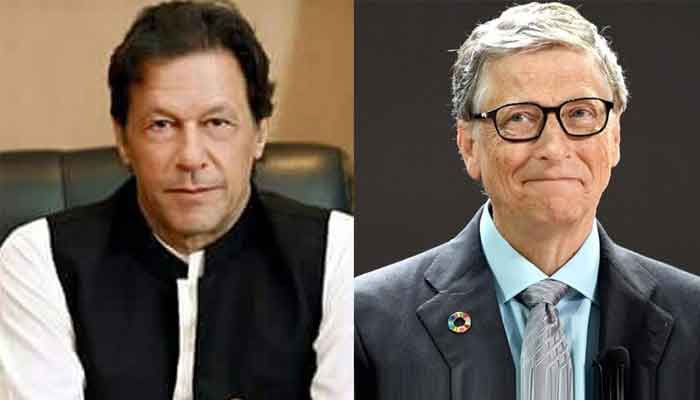
Bill Gates foundation President Chris Elias called on PM Imran Khan here on Tuesday and handed over the letter to him.
The letter also states that the Bill Gates foundation also intends to invest in health sector of Pakistan.
World Health Organization GD Tedros Adhanom Ghebreyesus was also present on the occasion.
Both the visiting dignitaries appreciated efforts of government of Pakistan in eradicating polio from the country, saying that they want to see Pakistan polio-free in the future.
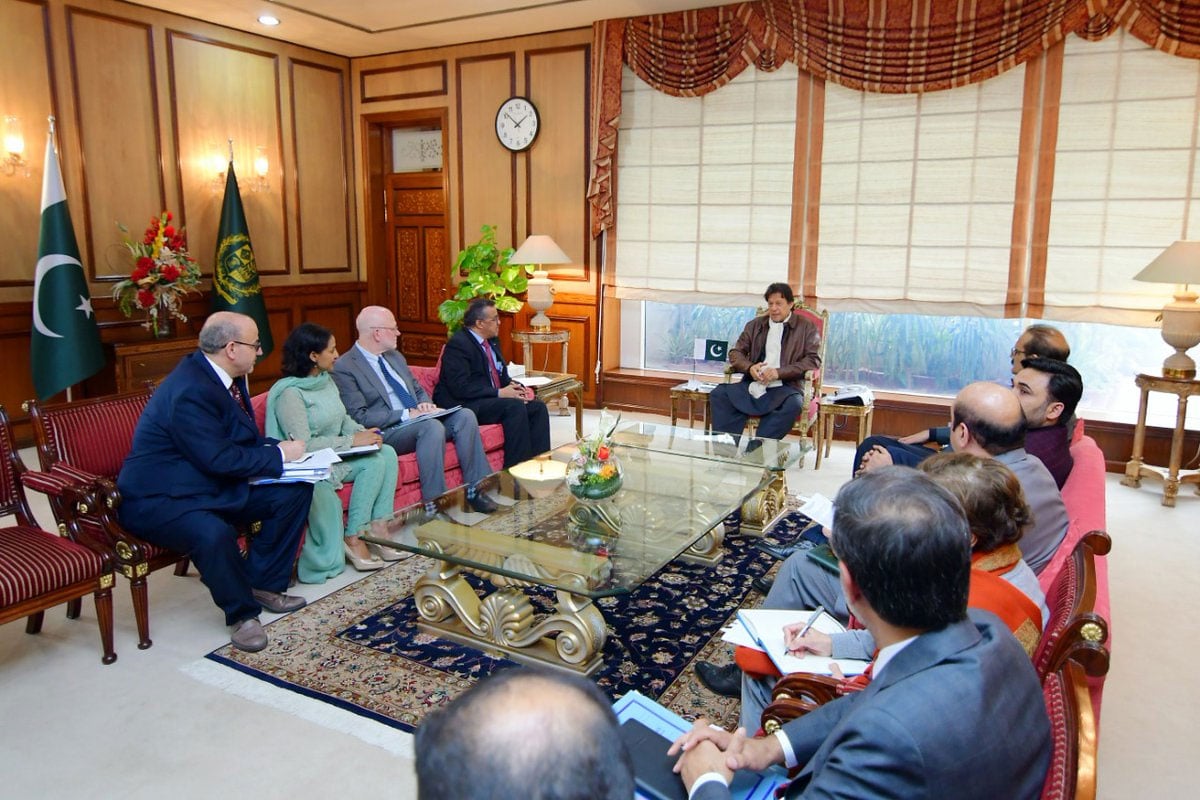
In December last year, PM Imran Khan and Bill Gates had a telephonic conversation during which the latter praised Pakistani leader for his efforts for eradication of polio.
Quoting sources, the TV channel reported that the phone call between the founder of Microsoft and the prime minister lasted for 30 minutes.
Gates, also a renowned philanthropist, assured his continuing support in different fields including strengthening the IT sector in Pakistan.
The sources said Prime Minister Imran Khan thanked Bill Gates for the support he has extended in social sector.


-
 Google, Verizon strike $1 billion deal to boost AI infrastructure
 -
 Samsung, SK Hynix to sign major AI chip deals with US tech giants
 -
 Nestle pushes for simpler US food labels to win back consumer interest
 -
 Paramount-Warner Bros. $110B merger paused until Aug.17 after judge extends restraining order
 -
 SpaceX shares drop 49 percent from peak ahead of first earnings report
 -
 Anthropic weighs mandatory employee stock sales after IPO: reports
 -
 Alphabet shares fall as AI spending forecast climbs to $205bn
 -
 Southern Water ex-CEO charged over alleged wastewater testing fraud
-
 EU clears Paramount’s $110 billion Warner Bros. takeover with conditions
 -
Amazon lays off employees in artificial general intelligence division
-
Brent Crude oil hovers near $95 as Rubio vows U.S. will ‘continue to protect shipping’ in Hormuz
-
TikTok chief security officer to testify before US House amid regulatory scrutiny