
Saudi Arabia launches high-speed rail project
Saudi King Salman on Tuesday inaugurated a high-speed railway linking holy cities Makkah and Medina, described by local officials as the biggest transportation project in the region.
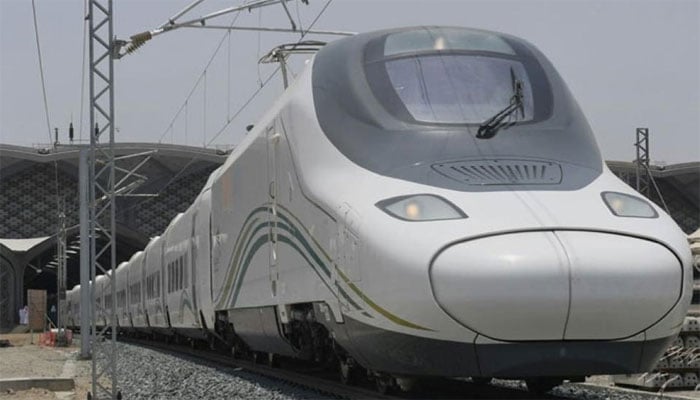
Riyadh: Saudi King Salman on Tuesday inaugurated a high-speed railway linking holy cities Makkah and Medina, described by local officials as the biggest transportation project in the region.
The Haramain High Speed Rail system will transport Muslim pilgrims, as well as regular travellers, 450 kilometres (280 miles) between the two cities via the Red Sea port of Jeddah in two hours.
"This project is considered the biggest transport project in the Middle East," Mohammed Falaha, a Haramain project manager, told AFP.
Thirty-five passenger trains capable of travelling at speeds of 300 kilometres per hour will slash the travel time from several hours to 120 minutes, transport officials said.
The rail project, dogged by several delays, was built at a cost of more than $16 billion, according to Saudi media.
In 2011, Saudi Arabia signed a deal for a Spanish consortium to build the rail track, supply 35 high-speed trains and handle a 12-year maintenance contract.
The kingdom is boosting its infrastructure spending and expanding its railways, including with a $22.5 billion metro system under construction in the capital Riyadh, as it seeks to diversify its oil-dependent economy.
The annual hajj pilgrimage, which is to be held in September next year, attracts more than two million Muslims to Makkah.




-
 Sarah Pidgeon explains key to portraying Carolyn Bessette Kennedy
 -
 Inside Nicole 'Snooki' Polizzi's 'private' marriage with husband Jionni LaValle amid health scare
 -
 Germany’s ruling coalition backs social media ban for children under 14
 -
 Quinton Aaron reveals why he does not want to speak to wife Margarita ever again
 -
 Why Mikaela Shiffrin celebrated Olympic Gold with Taylor Swift song?
 -
 Political tensions steal spotlight at Berlin Film Festival closing ceremony
 -
 Hong Kong touts stability,unique trade advantages as Trump’s global tariff sparks market volatility
 -
 Friedrich Merz heads to China for high stakes talks in an effort to reset strained trade relations