World Bank reveals Pakistan, India potential trade stands at $37 billion
The World Bank has revealed in its report that potential trade between Pakistan and India stands at $37 billion as compared to the actual $2 billion.
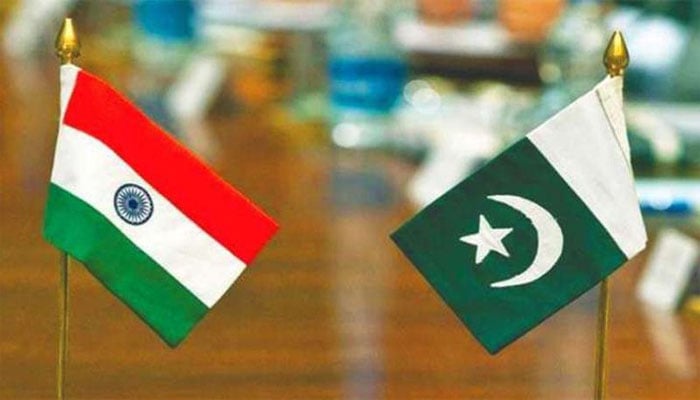
ISLAMABAD: The World Bank has revealed in its report that potential trade between Pakistan and India stands at $37 billion as compared to the actual $2 billion.
‘A Glass Half Full: The Promise of Regional Trade in South Asia’ was revealed on Monday. It says “without artificial barriers, Pakistan and Indian potential trade should be $37 billion.”
Gravity models show that total goods trade within South Asia could be worth $67 billion rather than the actual trade of only $23 billion. Formal trade between India and Pakistan could, for instance, be 15-fold more than current levels, according to the report.
The report highlighted the key factors and a long list of product restrictions in bilateral trade.
It added that Pakistan and India continue to maintain long, sensitive lists of items on which no tariff concessions are granted.
It further says Pakistan has a list of 936 items and almost 18 percent of tariff lines that apply to imports from SAFRA, South Asian Free Trade countries while India maintains list of 25 items, the report highlighted the factors behind lack of trade.
The WB report further says Pakistan allows only 138 items to be imported from India over the Attari–Wagah land route.
Currently the bilateral trade between Pakistan and India stands $2 billion.


-
 Anthropic to reveal new revenue figures as AI financial race heats up
 -
 HSBC to phase out fixed-pay allowances by 2028 in major compensation overhaul
 -
 TotalEnergies expands US renewable venture with KKR in $1.2B solar portfolio deal
 -
 Australian telecom shares tumble as SpaceX moves closer to direct-to-cell market
 -
 World Bank in crisis aid talks with dozens of nations amid global shocks
 -
 Deutsche Bank chief explains why German election results alarm foreign investors
 -
 China orders development of national blockchain network in economic blueprint: Here’s why
 -
 Tesla renames 'full self-driving' to 'assisted driving' in Europe: What to know