US says North Korean malware lurking in computer networks
WASHINGTON: US authorities said Tuesday malware developed in North Korea is still lurking in many computer networks, giving hackers backdoor access to government, financial, automotive and media organizations.
An alert issued by the Department of Homeland Security warned of surreptitious activity by the so-called "Hidden Cobra" hacker group, also known by the name "Lazarus."
US officials earlier this year blamed the group for a series of cyberattacks dating back to 2009, saying it was linked to the Pyongyang government.
In Tuesday´s warning, the DHS Computer Emergency Response Team (CERT) said the hacker could still maintain a presence on victims´ networks with the aim of "further network exploitation."
The report said some networks could be infected with the Volgmer "backdoor Trojan" or a remote administration tool known as Fallchill, which can give hackers complete control of a system.
It said FBI investigators suspect the Fallchill tool has been used since 2016 and Volgmer since 2013.
Private security analysts refer to Hidden Cobra as the "Lazarus" group of hackers linked to North Korea and likely behind a series of multimillion-dollar cyber thefts from banks around the world.
Some analysts say the Lazarus group may also have been behind the WannaCry ransomware outbreak earlier this year.
Hackers in the Hidden Cobra or Lazarus group have been active since 2009 and "have leveraged their capabilities to target and compromise a range of victims," according to a DHS report in June.
"Some intrusions have resulted in the exfiltration of data while others have been disruptive in nature."
DHS and FBI officials say the group "will continue to use cyber operations to advance their government´s military and strategic objectives," according to the DHS report.
North Korea has denied orchestrating any cyber attacks, but the latest report comes amid rising tensions with the United States over the communist regime´s nuclear testing program.


-
 European Space Agency to negotiate with NASA on future lunar missions
 -
 SpaceX AI satellites plan raises doubts after Microsoft setback
 -
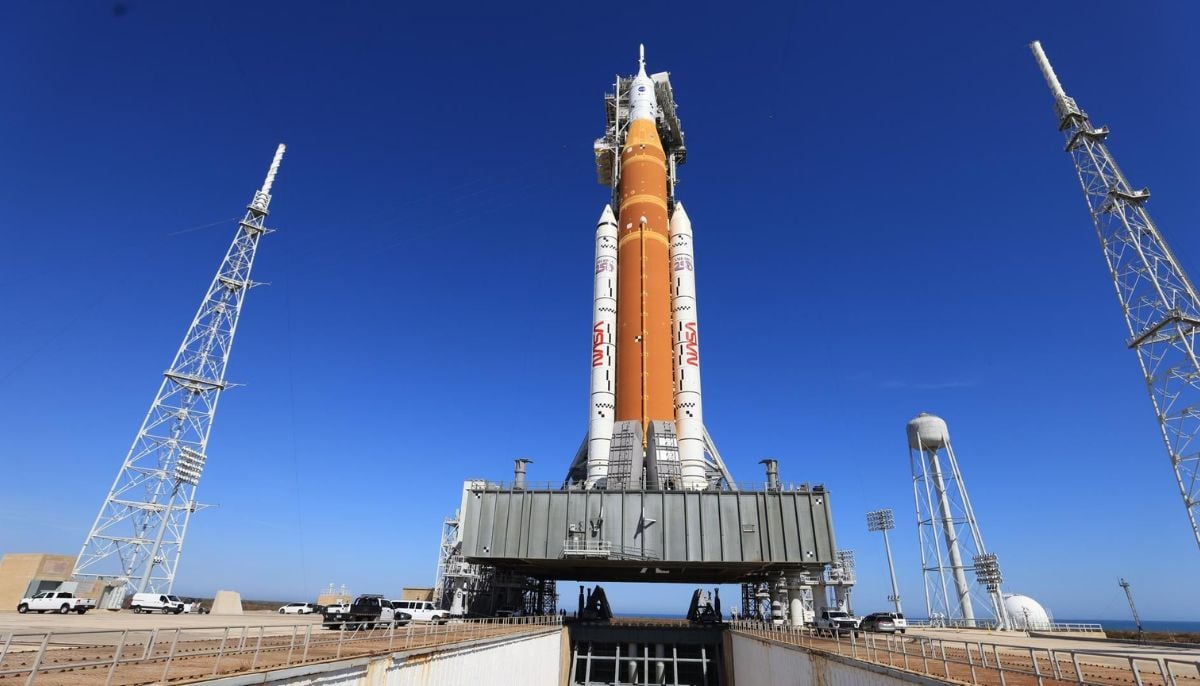 NASA Artemis II lifts off, sending cubesats into deep space study
 -
 Could there be life on Mars? NASA Jared Isaacman claims chances are 90%
 -
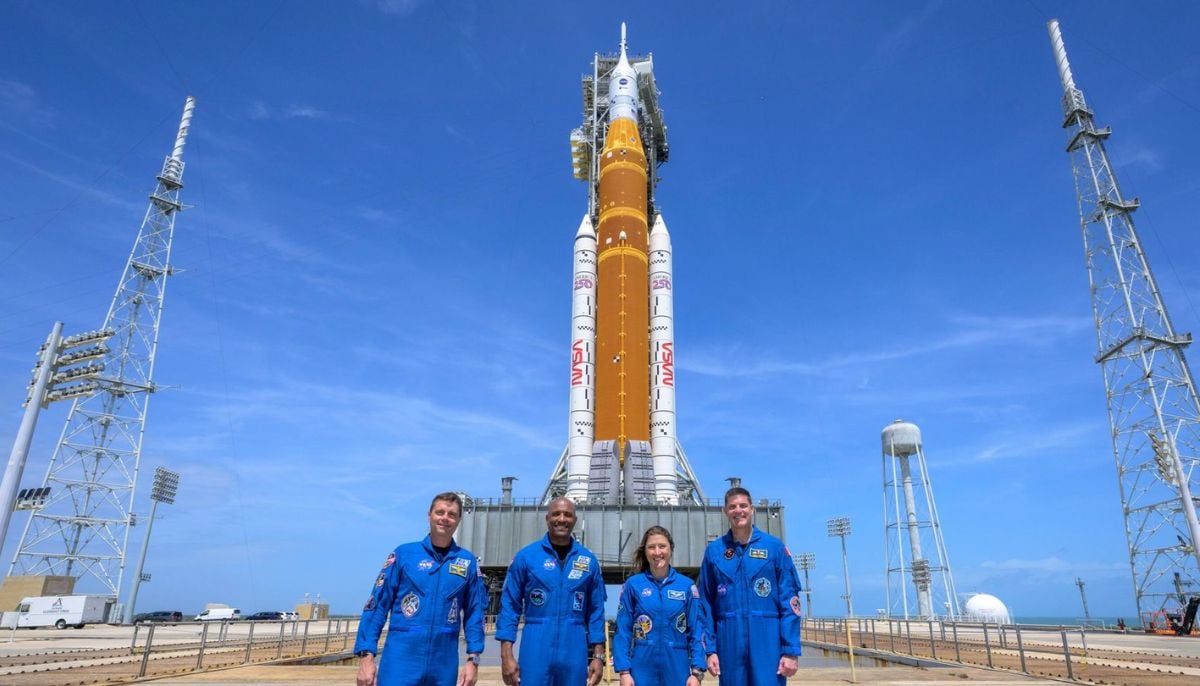 NASA Artemis II Moon mission set for liftoff today: Here’s what to know
 -
 Did the Big Bang happen differently? New theory challenges origin of Universe
 -
 April’s Pink Moon 2026: How to see the full moon in all its glory
 -
 First-ever primordial black hole discovery? Scientists reveal breakthrough