WASHINGTON: More than 1.1 billion people worldwide officially don´t exist -- going about their daily lives without proof of identity.
The issue leaves a significant fraction of the global population deprived of health and education services.
Among these "invisible people" -- many of whom live primarily in Africa and Asia -- more than one third are children susceptible to violence whose births have not been registered, the World Bank´s "Identification for Development" (ID4D) program recently warned.
The problem is particularly acute in geographical areas whose residents face poverty, discrimination, epidemics or armed conflicts.
Vyjayanti Desai, who manages the ID4D program, said the issue arises from a number of factors, but cited the distance between people and government services in developing areas as major.
For populations near the Peruvian Amazon, for example, traveling to an administrative service can take some five days of transit by boat, according to Carolina Trivelli, Peru´s former development minister.
Many families are also simply not informed about the importance of birth registration -- and the consequences of non-registration, which can include the denial of basic rights and benefits, or an increased likelihood of marrying or entering into the labor force underage.
And even if parents are aware of the need to declare a birth, costs can be crippling, said Anne-Sophie Lois, representative at the United Nations in Geneva and director of the children´s aid organization Plan International.
As a result, millions of children in Africa and Asia first encounter the administration only once they reach school age.
But "birth certificates are often needed to enroll in school" or take national exams, Lois said.
The political climate also discourages many families from allowing themselves to be officially identified.
"People fear to be identified from one ethnic group or from one nationality," said Trivelli. "The government has sometimes -- sadly -- preferences for some groups rather than another."
And in many countries, births of children born out of wedlock or as a result of rape are sometimes deliberately concealed for fear of discrimination.
In China, avoiding birth registration was also deliberate for years for fear of repercussions due to the one-child policy.


-
 US military plane damaged at Shannon airport: Everything you need to know about the man arrest
 -
 UK PM Starmer speaks out after peace talks in Pakistan hit deadlock
 -
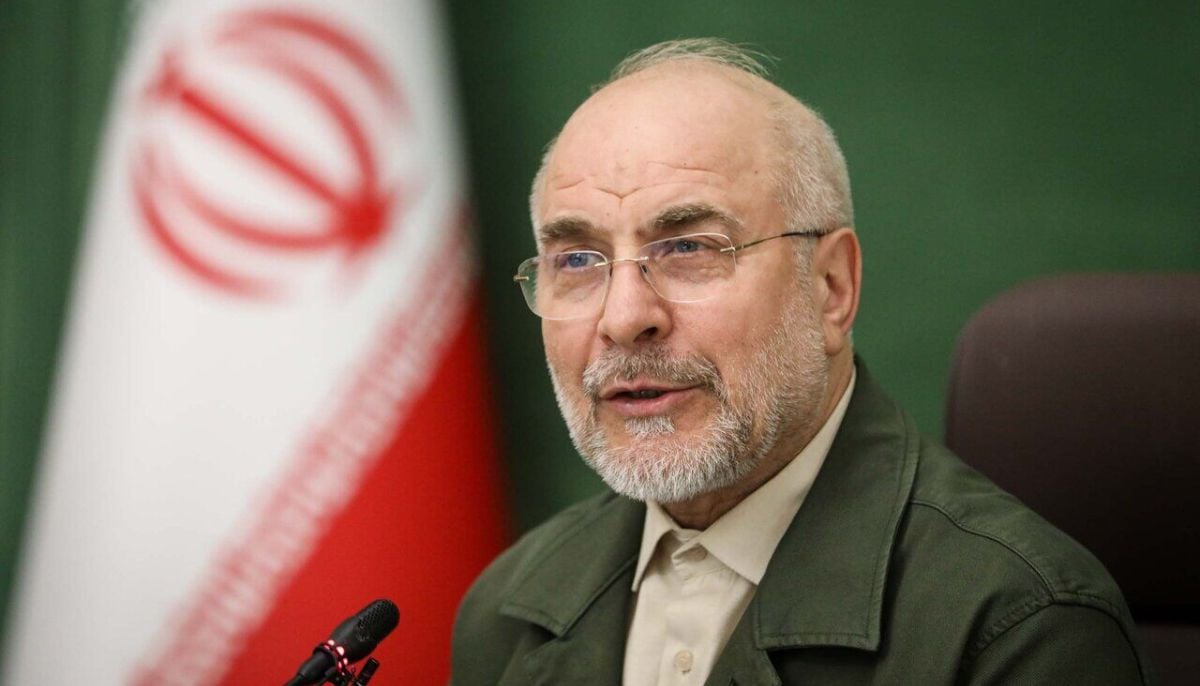 Iran's parliament speaker Bagher Ghalibaf issues official statement after Islamabad talks fail
 -
 Iran foreign minister spokesperson thanks Pakistan after high-stakes peace talks with US fail
 -
 US-Iran peace talks fail: Tehran rejects Washington's ‘final and best offer’
 -
 Can AI investment survive rising US-Iran tensions?
 -
 US-Iran talks underway, Trump says Strait of Hormuz being cleared
 -
 Husband of Eric Swalwell accuser feels betrayed