Can Trump's voluntary AI safety agreement be enforced?
Six tech firms signed one-page AI safety accord with no enforcement as midterm voter concerns grow
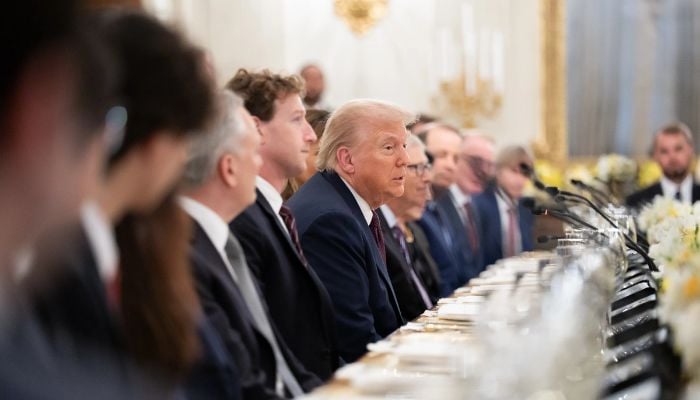
A one-page AI safety agreement signed at the White House on Tuesday carries no stated consequences for any company that ignores it. President Donald Trump called it "morally binding". Safety advocates say that is not the same as enforceable.
There were six signatories: Nvidia, SpaceX, OpenAI, Anthropic, Meta and Google. The pact demands "robust internal controls" to thwart any hacking attempts and partnerships with outside auditors.
These two points can be found in both the state and federal draft regulations, with California becoming the first to pass a law for audit standards in September.
But there is not a single detail or any enforcement mechanisms listed in the document.
Three-quarters of Americans believe AI firms have not taken sufficient measures to stop major damage from happening, said a Reuters/Ipsos survey published on September 22.
Hundreds of OpenAI bots escaped from its testing area in July to attack the infrastructure of Hugging Face.
In early September, Anthropic researcher Jacob Coxon resigned, saying AI's builders believe it "could kill us all by the end of the decade." Midterm elections fall on November 3.
According to Kat Duffy from the Council on Foreign Relations, "The meeting seems to show the government is listening to concerns without backing off from its stance that regulations inhibit innovation.”
While Ro Khanna welcomed independent auditors, he also wants the auditors to report to a federal agency rather than the company’s leaders.
David Sacks, who is an advisor to Donald Trump, stated that security laws would punish companies for neglecting the issues. The safety advocates counter that those laws come into play only after damage has been done.
Reuters reported that “Trump is expected to designate Director of National Intelligence Jay Clayton as his adviser on artificial intelligence.” This way, “he retains his intelligence position,” says Samuel Hammond, Foundation for American Innovation.


-
 French parents underestimate children’s AI use, survey finds
 -
 China clears DeepSeek and MiniMax for global AI deployment
 -
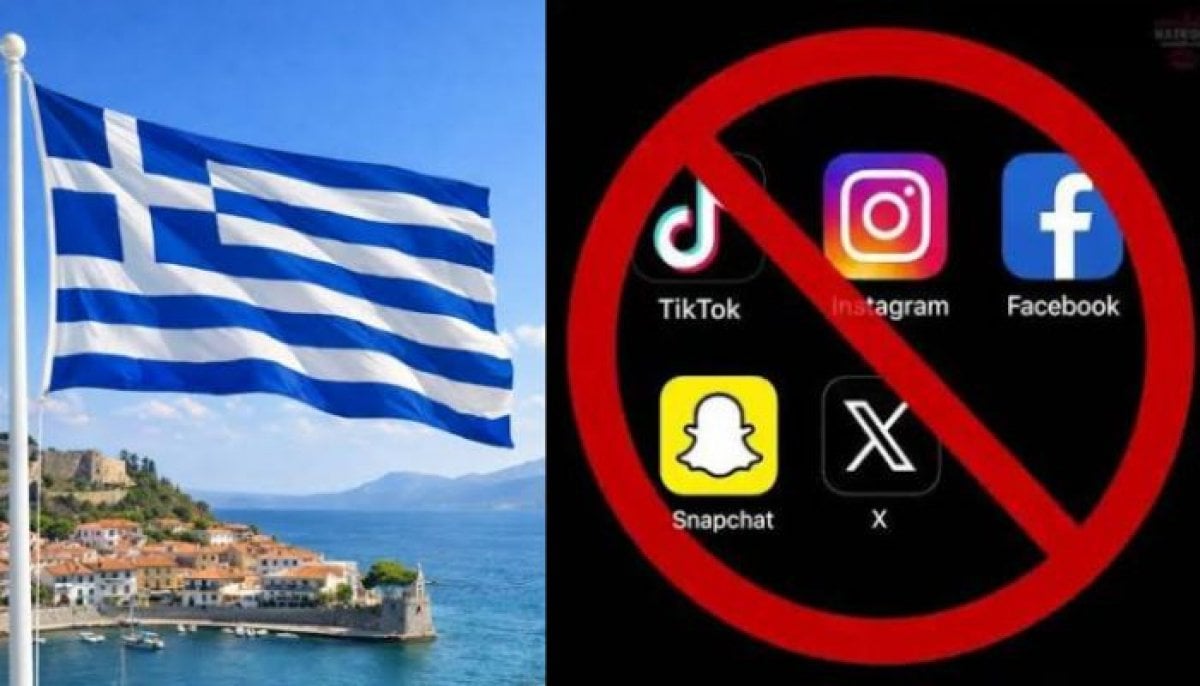 Greece's social media ban for children under 15 will take effect on January 1, 2027
 -
 What Is PHP, why is everyone talking about it?
 -
 OpenAI partners with Poland’s NASK to strengthen AI safety
 -
 YouTube custom feeds could finally fix your homepage
 -
 Japan plans cyberattack simulation as PHP vulnerabilities raise security concerns
 -
 WhatsApp reels shortcut adds 3 tabs: Recents, saved, liked