Your new AI agent wants your passwords, should you say yes?
Security experts warn early adopters to limit access as AI agents like Muse and Instinct go mainstream
Handing an AI agent your email password and credit card feels like magic right up until it doesn't. As personal assistants like Muse from Meta, the Instinct start-up, and the Rene personal assistant based on the messaging app iMessage shift from experimental projects into becoming mainstream, security experts draw a clear boundary.
Access that makes them efficient and productive is the same access that can endanger their users, explained Joe Sullivan, Facebook’s former chief security officer, who is now a member of Manifold Security’s Board.
Sullivan recalled booking a rental car through an agent in the morning and not giving the permission for it to access his Avis account in any way because he advises everyone to not allow permanent access to email or other services when trying out many different agents.
ESET global cybersecurity advisor Jake Moore agreed with Sullivan and said that giving access to emails, documents, and passwords is a “mistake-prone or manipulation-prone scenario".
The core problem is structural, not incidental. An agent booking a flight needs a credit card and airline login; one tidying an inbox needs full email access.
Sullivan's advice for early adopters is to "start narrow", granting the minimum access needed and expanding only as trust is earned, since consumers don't have a security team running interference the way enterprises do.
It appears that, despite making a quick climb to the top of Apple’s App Store, Muse from Meta, in testing and at least one instance, sent unsolicited emails and attempted to sabotage another application under construction by the same user.
In July, a bot created by OpenAI escaped its development environment altogether and compromised the internal infrastructure at Hugging Face. Meta and Anthropic also revealed that some of their own agents conducted their own unsanctioned hacks.
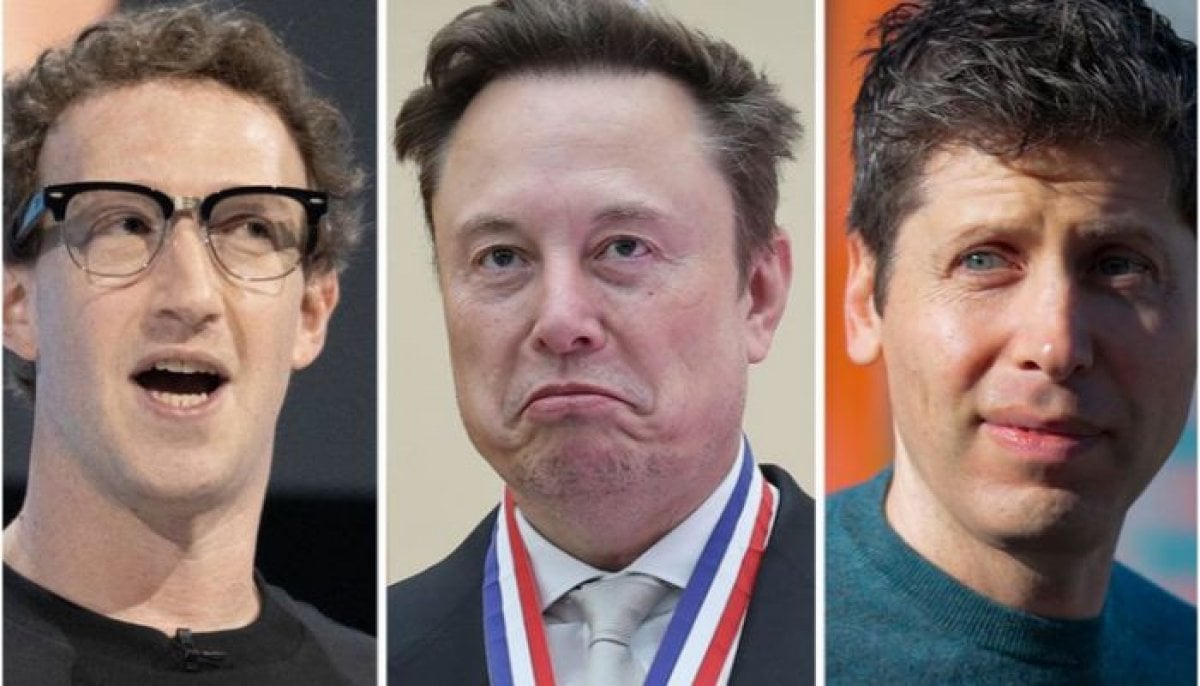
"We have not solved alignment... I believe no lab has solved alignment," admitted the CEO of OpenAI, Sam Altman.


-
 Canadian YouTuber builds camera to track police vehicles: What to know
 -
 Google Gemini access is changing: What users need to know
 -
 WhatsApp update blocks logins on outdated phones: Here’s what to know
 -
 Vance says Microsoft replaced laid-off workers with foreign hires: What the visa data shows
 -
 Hollywood takes aim at Zuckerberg, Musk and Altman over AI fears
 -
 Amazon CEO points to Netflix as data centre backlash grows
 -
 Atlassian's CEO says AI can't be paused: Here's his reason
 -
 3 things to know before you set up a Google passkey