What recent discovered Moon Crater Means for Future Astronauts
McGetchin crater is reshaping how NASA plans for the risks future moon missions will face
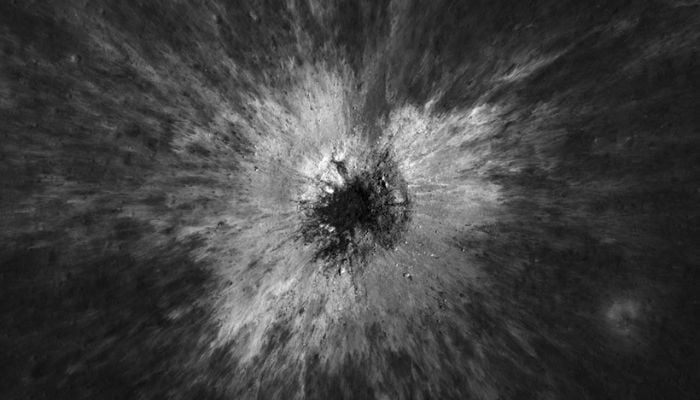
If you were designing a lunar lander today, would you know how a fresh impact changes the ground beneath it? Until now, nobody really did, because nobody had ever watched a crater this size form and studied it before the moon's own weathering processes could blur the evidence.
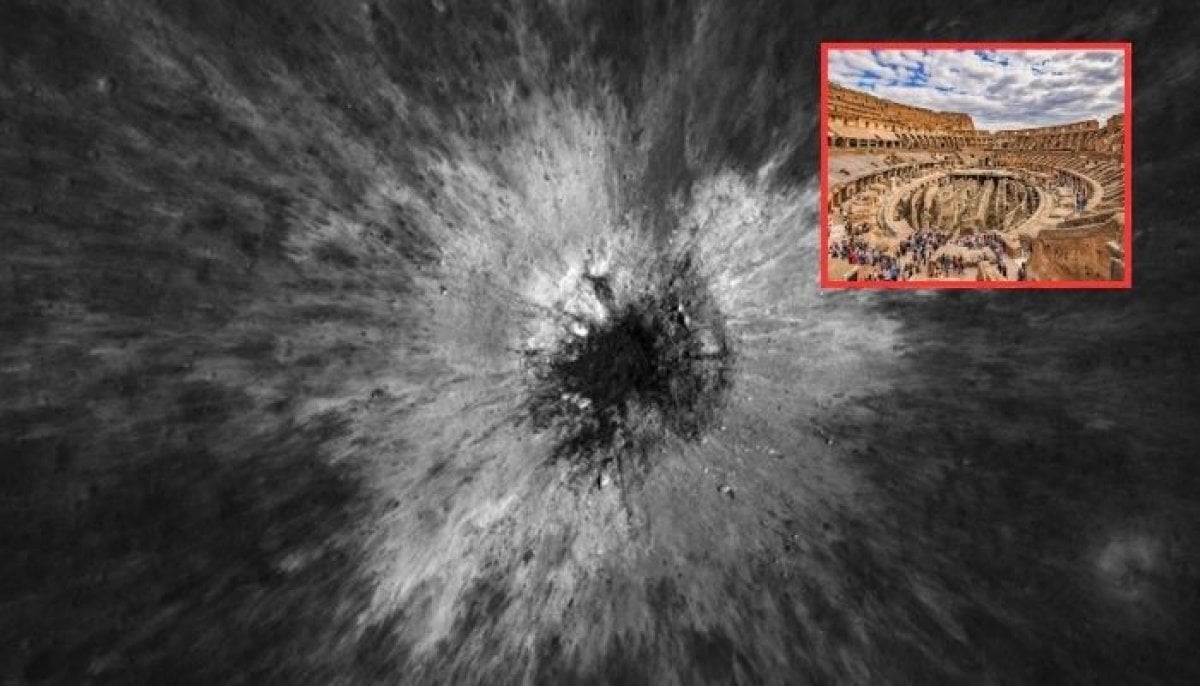
McGetchin crater formed sometime between April 11 and May 22, 2024, and at 728 feet across, it's the largest newly formed crater ever recorded in the solar system.
What makes it valuable isn't just the size; it's that NASA's Lunar Reconnaissance Orbiter had 17 years of prior imagery to compare against, giving scientists an unusually clean before-and-after picture of exactly how one impact reshaped the surface.
Researchers found the impact didn't just carve out a hole; it decompacted the regolith around it, creating a looser, "fluffier" soil layer detectable through a 4.3-mile-wide cold spot at night. That's not a minor academic detail.
This is because impacts have the ability to subtly influence the way in which the material is loose or tightly packed over a large radius, having a significant effect on the interaction between future landers, rovers and even astronauts' boots with an apparently stable surface observed from orbit.
According to Tyler Powell, lead author of the study, it may be possible to correlate orbital observations with surface-level ones using a rover or crewed mission in order to understand the way in which small-scale features affect the nature of the surface material.
Because McGetchin is positioned on the borderline of the dark plains made up of basalt and the bright highlands, it is a perfect example of a crater located at a geological transition.
The location of the crater and its pristine state give the site the advantage of being considered one of the most likely potential landing sites for the purpose of hazard research.





-
 Scientists discover new wild cat species in Bolivia for the first time in a century
 -
 SpaceX turns to failed startups for AI training: Here’s why
 -
 Why US is preparing its troops for possible combat around moon
 -
 NASA finds ‘once-in-a-century’ moon crater bigger than Roman Colosseum
 -
 Greenland and Antarctica face major ice loss: Key details explained
 -
 Scientists transplant lab-grown human brain tissue into mice: What they found
 -
 New discovery forces scientists to rethink how Earth formed
 -
 US finally confirms weapons in orbit: What it means for space warfare