Trump AI adviser David Sacks tells Anthropic, OpenAI to slow down if needed
David Sacks says Anthropic and OpenAI can self-regulate without waiting on lawmakers
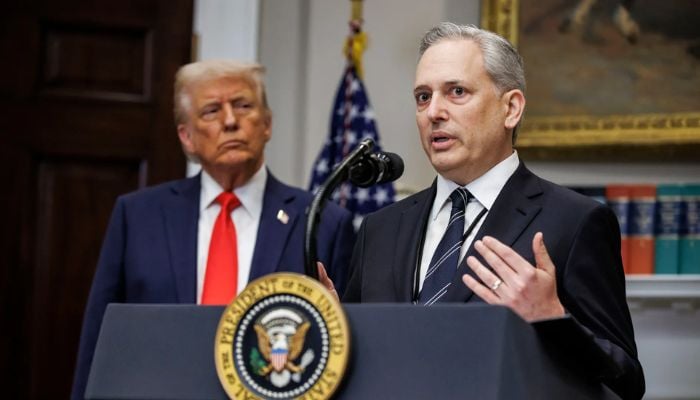
If Anthropic and OpenAI genuinely believe their next models are too dangerous to release, David Sacks has a simple response: nobody's stopping them from waiting.
The former White House AI and crypto czar posted on X Saturday that both companies already sit at the top of the market by adoption, growth, and raw model strength, which means, in his framing, they're not asking permission to slow down.
They're effectively the ones setting the pace for everyone else. His comments landed squarely inside the fallout from Jacob Coxon's viral resignation from Anthropic, a departure that's kept AI safety debates in the headlines for days.
However, Sacks did not limit himself to a mere critique of the policy. In addition, he questioned the speed with which Coxon's story gained popularity, arguing that the account had apparently no history of postings and no followers until the thread was created, and if there was any earlier activity, it seemed to be deleted.
In addition, the co-host of Sack's All-In podcast, Jason Calacanis, revealed that Coxon had approached him about interviewing for the programme, only to cancel right before their meeting.
It is possible that Coxon backed out due to the realisation that the questions would be harder to answer than he anticipated, and Sacks wonders who introduced Coxon to the Wall Street Journal.
Sacks tied the "slow down" push to something less altruistic: legal exposure. He argued that if a model contributes to a major cyber incident, the company behind it could face steep product-liability claims and that markets already price in penalties for systems behaving unpredictably.
That argument surfaced again around Anthropic's reported IPO ambitions, described as targeting a $2 trillion valuation. If internal researchers believe the technology carries existential risk, that belief could complicate SEC disclosure requirements alongside the liability question itself.
Evan Hubinger from Anthropic, who is the head of its Alignment Science division, has openly supported the view of Coxon and placed the probability of an extinction of humanity due to AI at more than 10% in the next ten years.
Sacks concluded his post on a much more practical note, claiming that predictability is nothing but good business, because consumers like predictability no matter what you call it, be it alignment or good product design.


-
 Could AI be conscious? Why Anthropic is turning to the Vatican
 -
 Why Apple CEO John Ternus is taking a hands-on approach to design
 -
 New Open AI model could change the global AI race: Here’s how
 -
 Sam Altman faces new legal risks as OpenAI uncovers hacks
 -
 WhatsApp Channels are moving to your chats tab: What to expect
 -
 6 climate tech startups win funding as AI draws investors
 -
 OpenAI safety leader who led 12 launch reports quits
 -
 South Korea bank data breach: Same hacker behind 7 attacks?