Meta sued in class-action lawsuit over using Facebook, Instagram photos for AI smart glasses
The class-action lawsuit regarding Meta's platforms centers on major legal concerns regarding biometric privacy, AI training data, and wearable technology
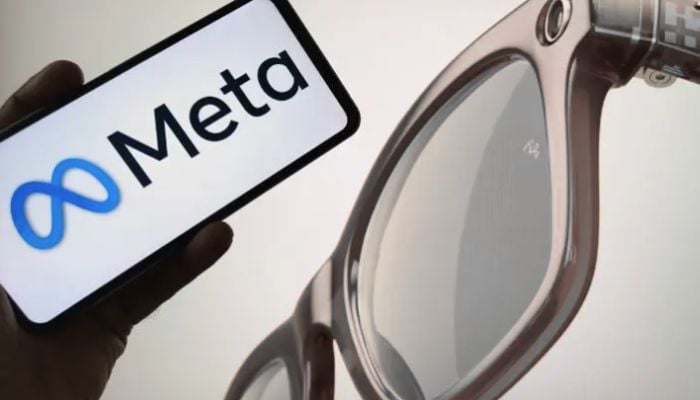
Meta is facing a major proposed federal class-action lawsuit accusing the company of harvesting millions of photographs from Facebook and Instagram without consent to build and train facial-recognition technology and generative AI systems.
Core Allegations:
The case, filed by a set of parents and their children in the US, alleged that Meta used their Facebook and Instagram photos without consent and fed the data to NameTag, an unreleased facial recognition system for its new AI glasses.
The lawsuit claims Meta extracted biometric information ("faceprints") from user photos on Facebook and Instagram to develop NameTag, an unreleased facial-recognition system intended for Meta's smart glasses.
NameTag's existence was revealed by a WIRED report in June, when it said that there was an inactive code for the system in the Meta AI app.
Analysts at the time determined that the system was designed so that it could turn faces captured by the glasses into biometric signatures or a faceprint. It could then compare it with other faceprints on the wearer's phone.
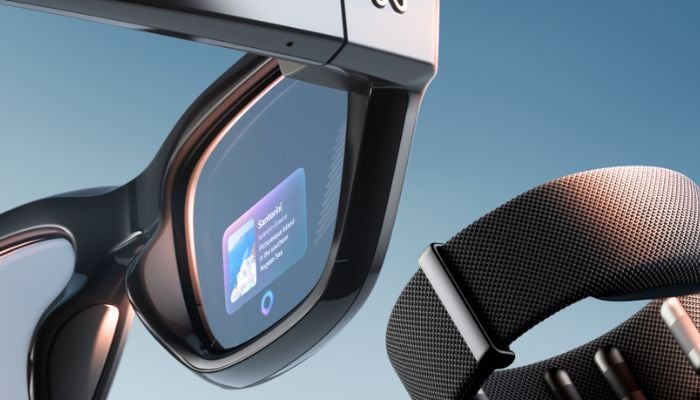
Meta has dismissed the lawsuit as meritless and a misrepresentation of its practices, stating that NameTag has not been shipped to consumers and that the company has been transparent about utilizing public social media data to improve its AI products.
Beyond facial recognition, the complaint also targets Meta’s generative AI image models, including Emu and Muse Image, alleging that the models were trained on user photos without proper notice, opt-out choices, or compensation.
Filed in the U.S. District Court for the Northern District of Illinois, the suit alleges violations of the strict Illinois Biometric Information Privacy Act (BIPA), California’s right of publicity and misappropriation laws, and state constitutional privacy protections.


-
 Block’s Dessa AI voice model learned to talk without text: Here’s how
 -
 Sam Altman says AI is finding ‘Insane’ hardware-level bugs we never expected
 -
 iPhone Duo screen cracks after just six hours, users report
 -
 AI decodes Napoleon's cipher after 217 years in 6 hours
 -
 3 settings to stop Google personalised ads from Gmail data
 -
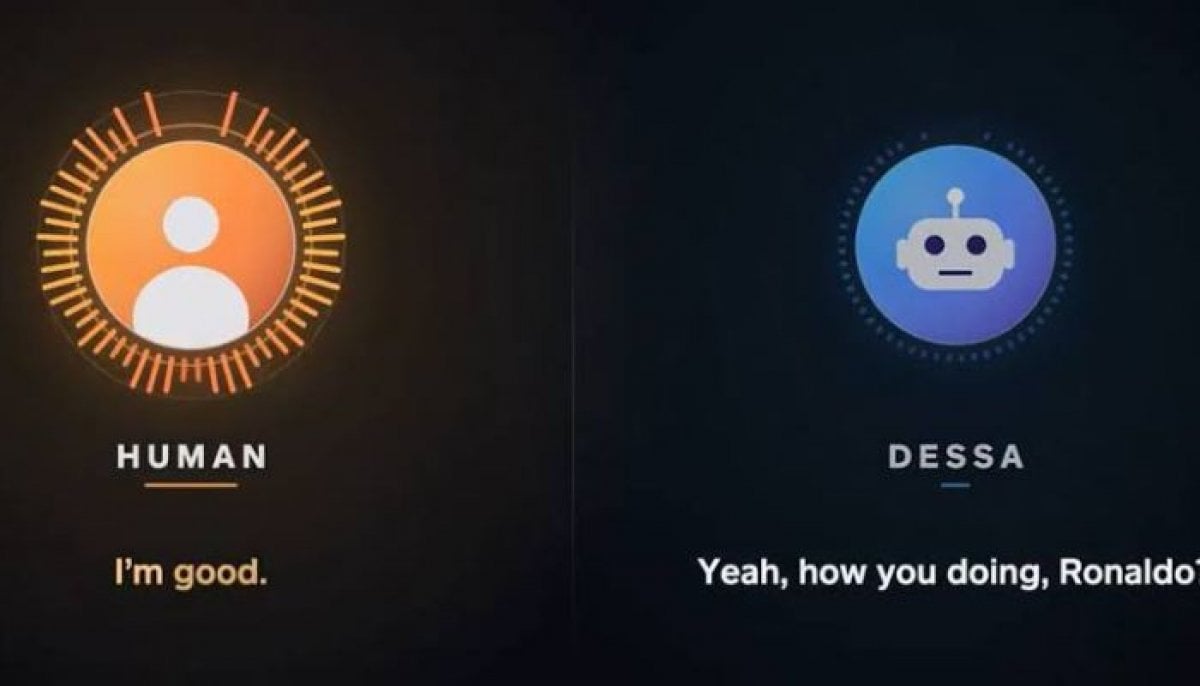 Jack Dorsey’s Block launches Dessa AI voice model, but users aren’t happy
 -
 Moonshot AI restricts open-weight hacking ability in new Kimi model as fears grow over AI-powered cyberattacks
 -
 WhatsApp tests new filter to find mentions, replies faster