JD Vance VS Marco Rubio: The battle for post-Trump GOP leadership continues
Here's how US Vice President JD Vance and Secretary of State Marco Rubio are shaping the future of conservatism as the post-Trump GOP leadership battle unfolds
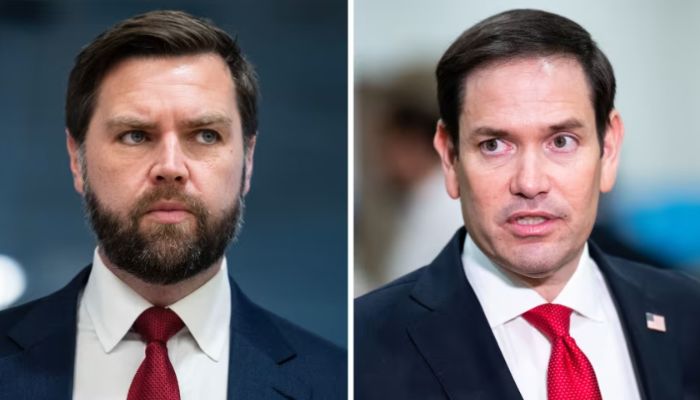
As the Republican Party navigates the twilight of the Trump era, Vice President JD Vance and Secretary of State Marco Rubio are positioning themselves as the primary ideological heirs to the movement, setting up a high-stakes choice over America's future global and domestic trajectory.
The question of who will inherit the leadership of the Republican Party after Donald Trump has increasingly framed early discussions about the post-Trump era, with Vice President JD Vance and Secretary of State Marco Rubio emerging as the prominent front-runners.
While Donald Trump remains the dominant figure of the party, the constitutional limit on serving a third term has sparked an active debate among conservatives over the future direction of the MAGA movement.
JD Vance:
As the natural ideological heir to the populist-nationalist movement, Vance commands strong grassroots backing. Polling and early metrics show him holding a distinct national advantage among core Republican voters, who connect deeply with his working-class roots, economic nationalism, and alignment with Trump's core platform.
Marco Rubio:
Representing a balance of executive experience and institutional weight, Rubio has built a powerful profile as a chief foreign-policy architect. Supporters view him as a polished, articulate statesman with strong appeal among conventional conservatives and critical demographic groups like Hispanic voters.
The Strategic Divide:
The split between Vance and Rubio reflects a broader identity question for the GOP: whether the post-Trump party should lean entirely into populist-nationalist economics or blend that framework with a more traditional, globally focused governance style.
The split between Vance and Rubio reflects a broader identity question for the GOP: whether the post-Trump party should lean entirely into populist-nationalist economics or blend that framework with a more traditional, globally focused governance style.
Although other potential figures—such as Senator Ted Cruz and Florida Governor Ron DeSantis—remain part of the wider conversation, the early landscape is widely viewed as a two-man contest.
Even Trump himself has leaned into the speculation, playfully suggesting that the two leaders could form a formidable "dream team" ticket, leaving the ultimate trajectory of the party wide open.


-
 Virginia's County sues to halt Trump's 250-foot triumphal arch near Arlington National Cemetery
 -
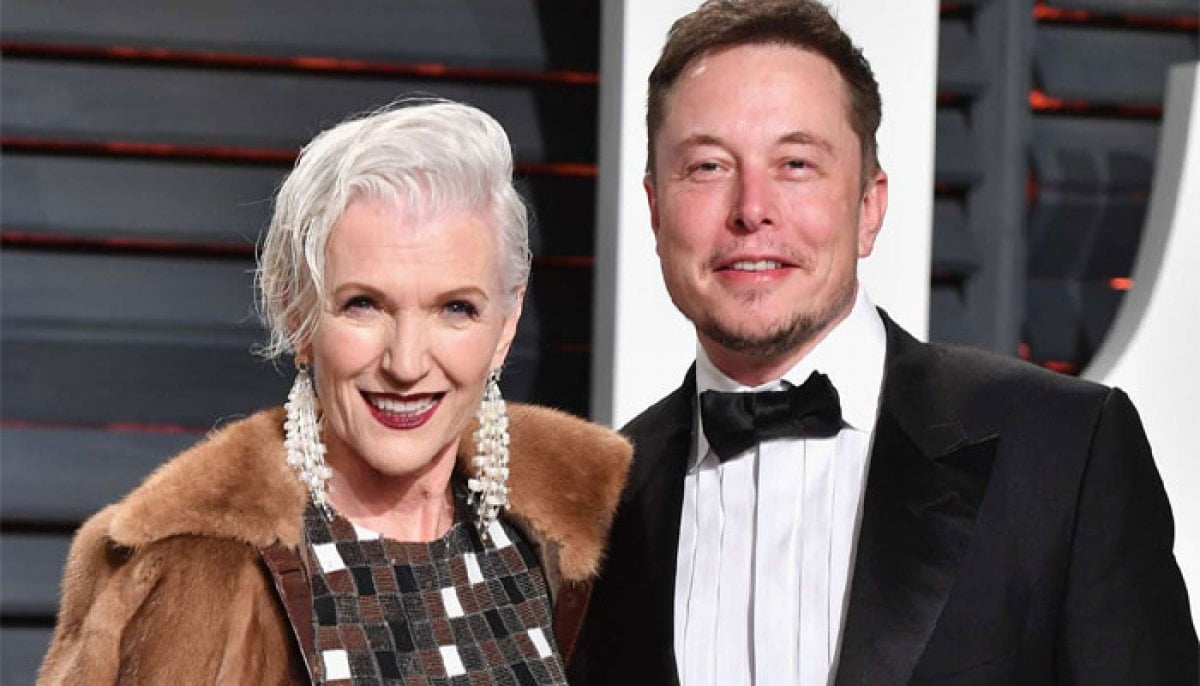 Elon Musk's mother leaves him emotional with heartfelt remarks
 -
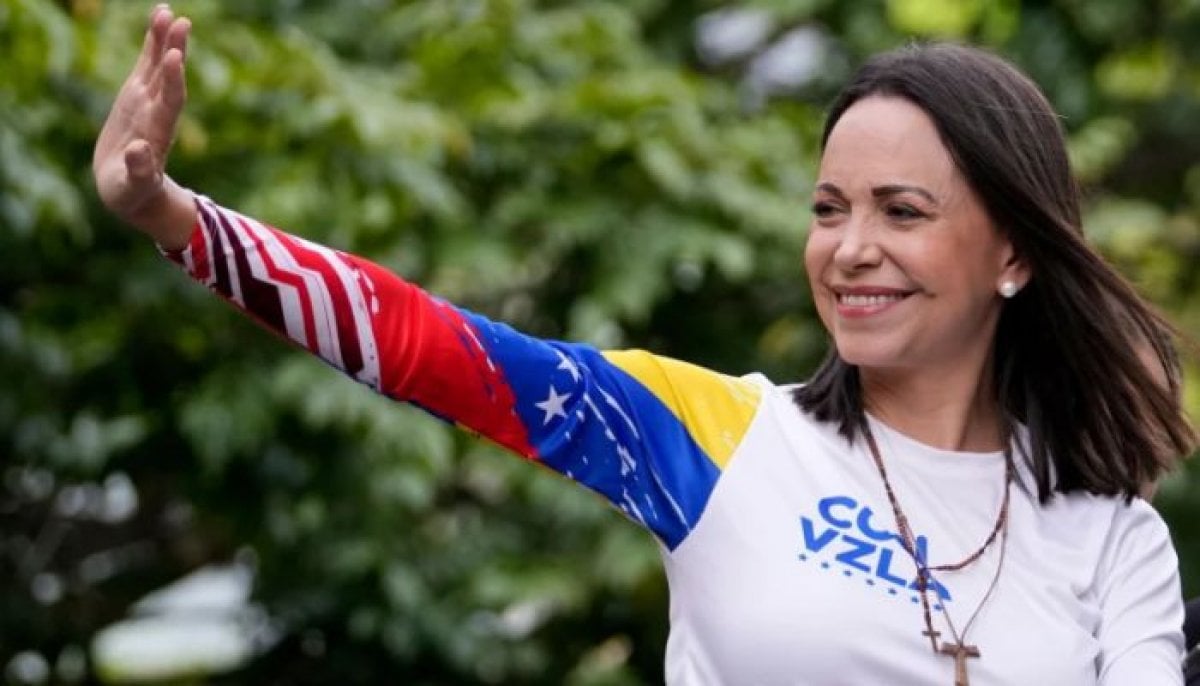 Nobel Prize winner Maria Corina Machado calls for presidential elections by July 2027
 -
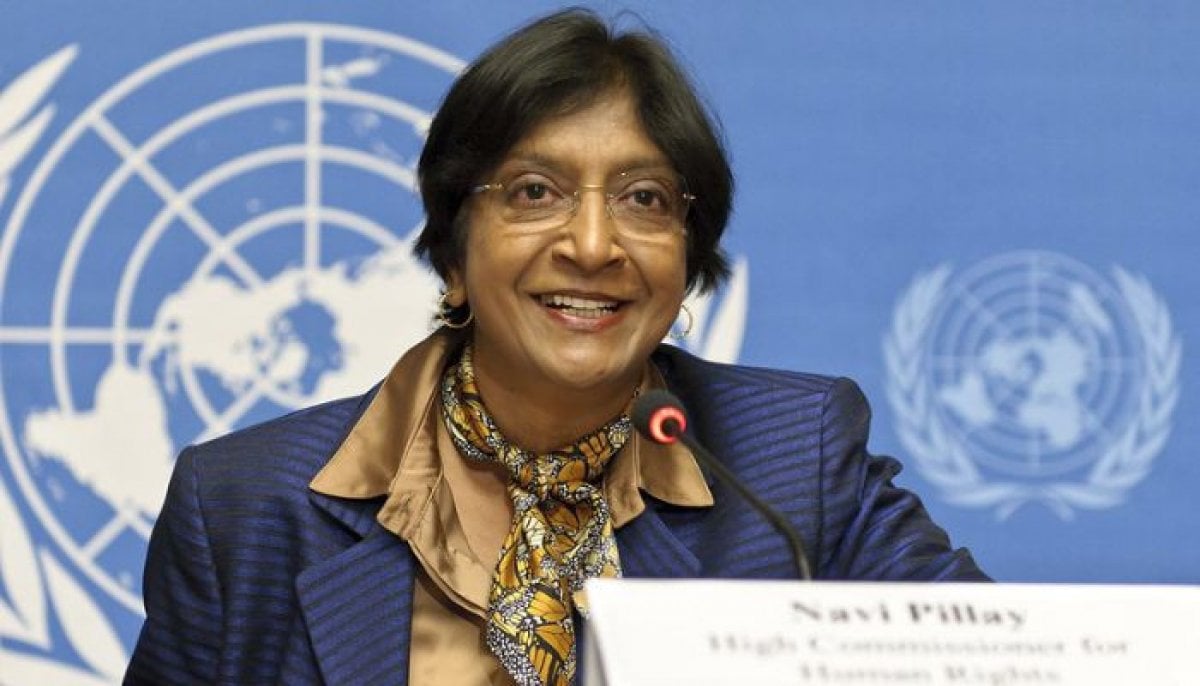 Navi Pillay wins Nobel Peace Prize for promoting peace and international law
 -
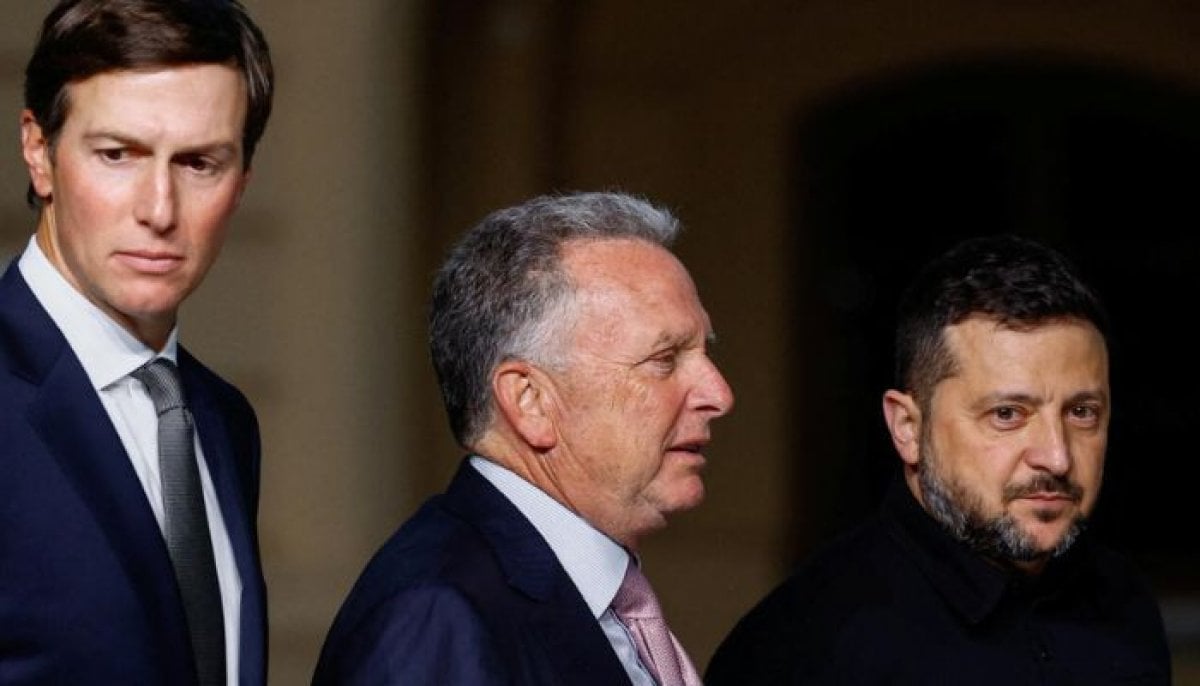 Russia-Ukraine peace efforts: Trump envoys to discuss new US proposals with Kyiv, Europe
 -
 Two homes in Hamilton, Ontario devastated by explosions, three hospitalised
 -
 Labour wins Keir Starmer’s former seat as defeating Green party in London byelection
 -
 Cornell 7 assault case takes shocking turn as new text messages emerge
-
 Carney hits back at Elon Musk after his comments backing Quebec, Alberta separatism
 -
Russia strikes passenger bus in Ukraine, killing at least 30 civilians: officials
-
Trump targets Microsoft, tech firms, top universities over alleged green card abuse
-
Hurricane Isaias could approach Category 3 threatening Gulf Coast with flooding