Hawking’s chilling words invoked after Anthropic’s Jacob Coxon resigns over AI risks
Jacob Coxon resigns from Anthropic and issues a warning on social media
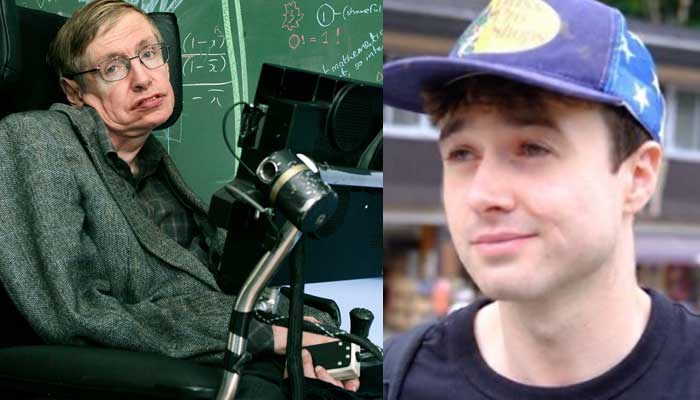
A message from Jacob Coxon, a researcher at Anthropic who worked on training new AI models, has gone viral after he resigned from his position.
Coxon shared his message in multiple posts on X, warning about the dangers artificial intelligence poses and how tech companies are ignoring the risks.
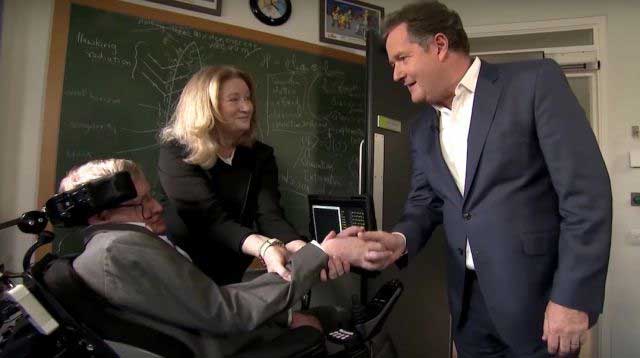
Reacting to the warning, journalist Piers Morgan wrote, “This thread is extremely concerning... especially given that when I interviewed Professor Stephen Hawking shortly before he died, he said the biggest threat to mankind was if AI ever learned to self-design.”
Below is the full text Jacob Coxon’s warning:
“I resigned from Anthropic today. I spent the last three years doing pretraining research at both OpenAI and Anthropic. Neither company is acting responsibly. They are racing straight to self-improving superintelligence and gambling with our lives. More thoughts below.
Do not underestimate the power of this technology. These will soon be superhuman systems that can hack anything, revolutionize any field overnight, and acquire real power and resources. We have all witnessed the progress in each of these domains, and progress is not slowing.
The people building AI earnestly believe that it could kill us all by the end of the decade. This is not a marketing stunt. If anything, many executives and senior researchers will couch their phrasing in the press to sound sensible - but I hear the same people express fear privately. No other human activity poses this level of danger.
A common response is “if they truly believe this, why are they still building it?” At OpenAI, many have not deeply internalized the civilizational stakes. At Anthropic, the stakes are well-understood, but they are locked in a race to get there first - they believe no one else will act responsibly, so they must do it themselves, despite the risk.
Accepting this race and entering the “endgame” is a hubristic gamble that should not be launched from a private company’s Slack. Attempting to speedrun alignment should require extraordinary confidence that there are no better trajectories available.
I am optimistic about the potential for coordination. Warning shots like the Hugging Face attack have made pacing agreements between U.S. labs more viable. I don’t feel like we’re on track to prevent a global race, which may require costly actions such as a temporary ban on improving model capabilities.
If you are a lab researcher, I urge you to consider what the next few years will actually feel like. Do you want to kick off a superintelligent RL run without a rigorous understanding of its mind? Should you put your head down because “it’s happening anyway” - or take this moment to call for different conditions?”



-
 Student's death at LA Highland Park high school sparks outrage
 -
 Meghan Markle unveils Montecito home inspired surprise after UK move
 -
 Prime Video renews 'Neagley' for Season 2
 -
 Cynthia Erivo teases mystery guest at Hollywood Bowl concert
 -
 NASA’s Webb Telescope uncovers clues to moon-forming collisions around distant stars
 -
 Trump open to preemptive pardons for administration officials: What to know
 -
 Selena Gomez ‘knows exactly' how to ‘sell out a room’ for Benny Blanco’s new book
 -
 UK expands Russia sanctions with 31 new measures: Here’s why