TikTok joins C2PA as it expands AI content labeling
TikTok is expanding AI content detection, launching an in-app literacy hub, and joining C2PA Steering Committee to improve AI transparency
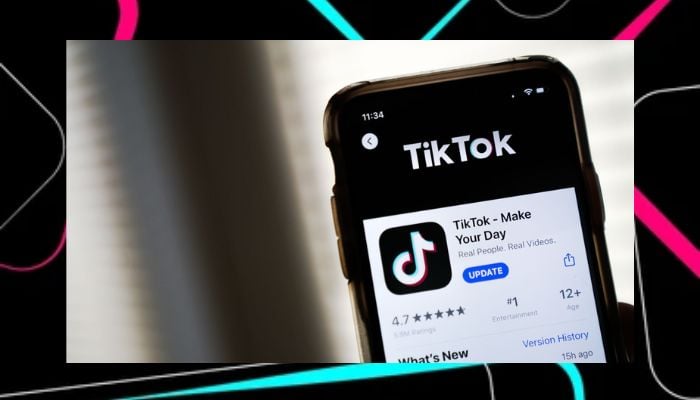
TikTok is rolling out a new set of measures aimed at helping users identify AI-generated content on the platform, combining education, stronger spam detection, and a new seat on an industry standards body.
The announcement, made July 10, comes as generative AI reshapes how content gets made and shared across the platform.
TikTok has collaborated with the National Association for Media Literacy Education (NAMLE) and researcher Henry Ajder to develop a practical guide on recognising AI-generated content.
The platform plans to roll out an in-app AI literacy hub that will feature detection tips when users type any terms relating to AI within their searches, instead of hiding it in a Help Center page.
The company has put in over $4 million into its larger AI literacy programme, which launched in November 2025. Partner-created educational content has generated more than 200 million views so far.
According to TikTok, more than 86 million fake accounts have been removed in the first quarter of 2026. On top of this effort, the company will test new detection tools that will be targeting AI-generated accounts specifically used for spreading spam content in the fields of politics, financial advice, and health information, among others.
It was also TikTok which became the first social media to use C2PA Content Credentials, a new technical standard which allows tagging artificial intelligence-edited or -created videos.
Now it becomes a member of the C2PA Steering Committee, gaining an opportunity to have some impact on the evolution of the industry’s standards regarding transparency.
So far, over 3 billion videos have been marked as AI-created content by TikTok through Content Credentials, creator-made labels, and watermarking technology.
The efficiency of such labels in terms of their ability to change users’ behaviour was questioned by independent studies; still, TikTok’s efforts regarding the detection of such content and its membership in the C2PA Steering Committee point to an attempt to overcome this obstacle.



-
 OpenAI, Anthropic and Google join forces on AI safety efforts
 -
 Meta to deploy custom Arke and Astrid AI chips in 2027: Everything to know
 -
 Dreamforce 2026: Salesforce unveils Koa AI model and Google Cloud partnership
 -
 EU Kids Act: New social media rules for under-15s
 -
 China’s spy chief reveals growing fears over AI’s impact on communist party rule
 -
 Anthropic's new Claude tool targets financial advisors to streamline compliance and client research
 -
 Elon Musk’s bold AI safety idea: 'Let rivals test each other’s models'
 -
 Former Google DeepMind researcher warns autonomous AI could wipe out humanity amid industry-wide safety alarm