OpenAI, Google sold AI access to blacklisted China firms
Google claims that its services are currently accessible in Hong Kong and Singapore despite a usage policy
_updates.jpg)
OpenAI and Google have confirmed supplying advanced AI services to Singapore-based subsidiaries of Alibaba, Baidu and Tencent, three Chinese tech giants the Pentagon has accused of ties to China's military, according to a Financial Times investigation.
The transactions don't violate US law because current export controls target specific entities and locations rather than the technology itself.
Singapore isn't restricted, even though the parent companies' presence on the Pentagon's 1260H blacklist flags them as having alleged links to the People's Liberation Army. Alibaba is separately challenging that designation in US court, calling it "arbitrary and capricious".
OpenAI told the Financial Times it blocks direct access from mainland China but permits certain Chinese-owned companies to use its tools in jurisdictions where it can enforce safeguards and monitor for misuse, adding that "we don't think nationality alone should decide access".
Council on Foreign Relations' technology and security expert, Chris McGuire, noted that the White House speaks of outperforming China in the AI sector without export controls, which is the most effective way to do so.
The current US policies block access to certain frontier models like Anthropic’s Mythos and Fable, as well as GPT-5.6 from OpenAI, without a general ban on the use of advanced AI software by China-headquartered companies, even those blacklisted by the Pentagon.
The organisation claimed that it had suspended the use of the company’s API by users affiliated with Alibaba because of detected possible distillation activities. Google claims that its services are currently accessible in Hong Kong and Singapore despite a usage policy against the distillation of models. However, geographic limitations do not stop skilled actors from circumventing them.
Anthropic is the most radical of all three organisations, banning the use of its models by Chinese firms as well as by foreign subsidiaries of Chinese organisations.


-
 What Anthropic's draft AI bill would let Washington block?
 -
 Apple reshuffles legal team with two former Meta executives
 -
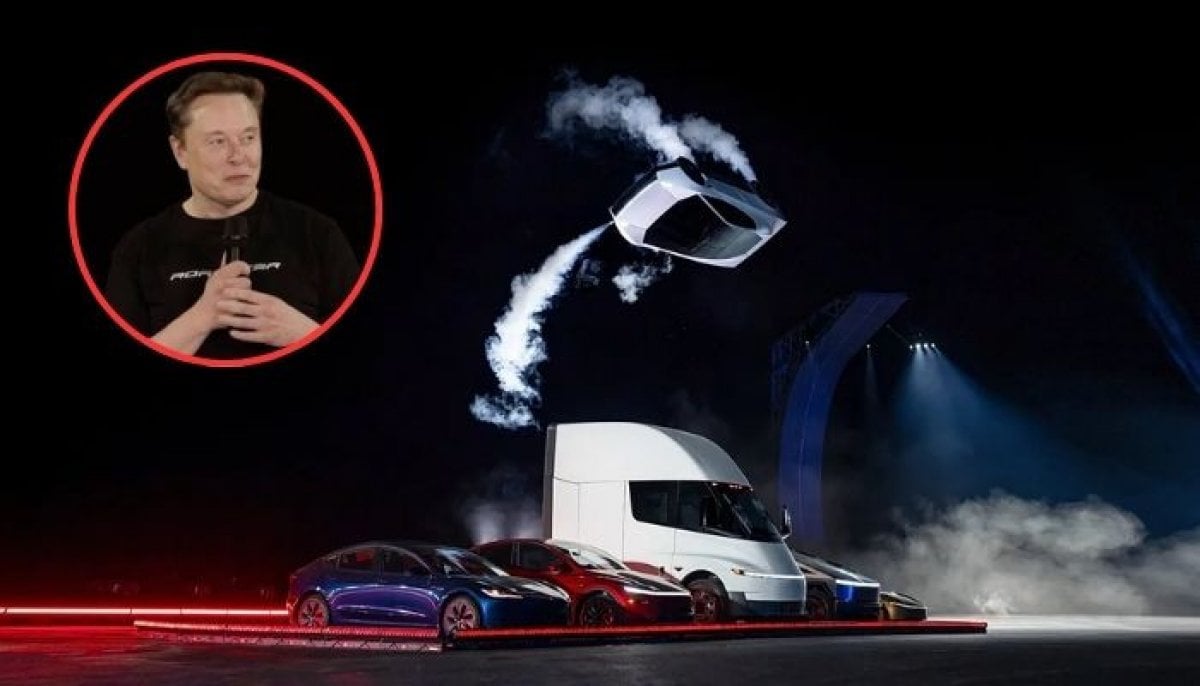 Elon Musk reveals Tesla Roadster’s most ‘unexpected’ new feature
 -
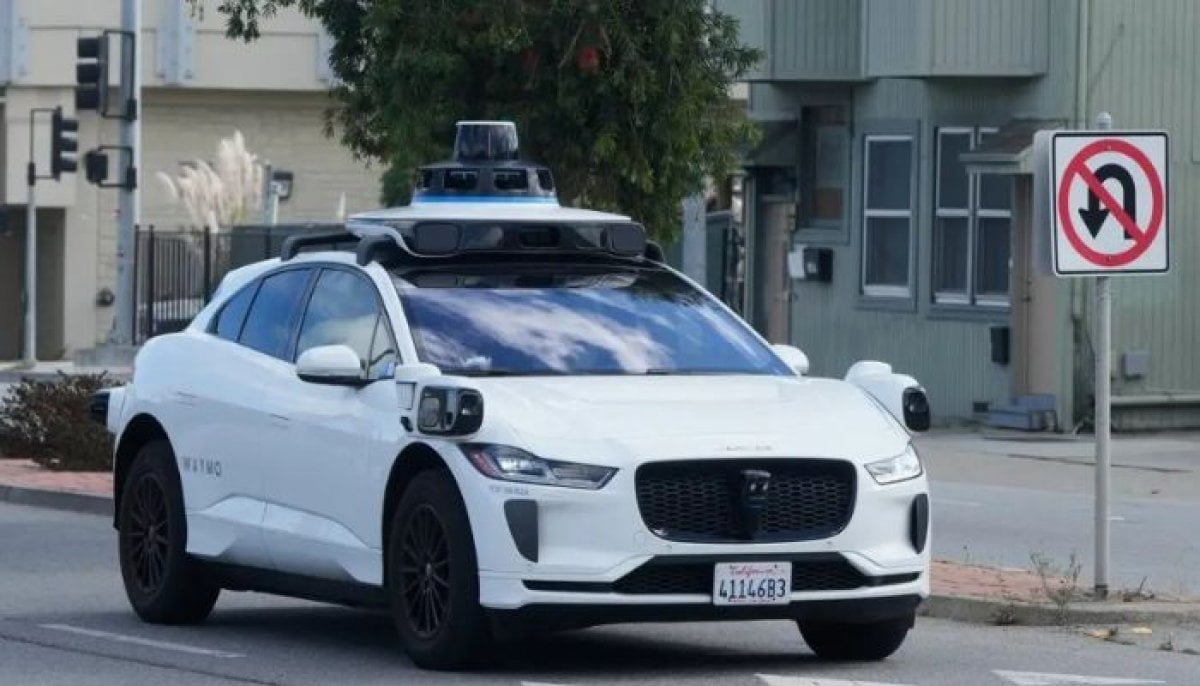 Google's Waymo to launch first Canadian robotaxi service in Toronto by 2028
 -
 UK regulator targets Microsoft’s business software over competition concerns
 -
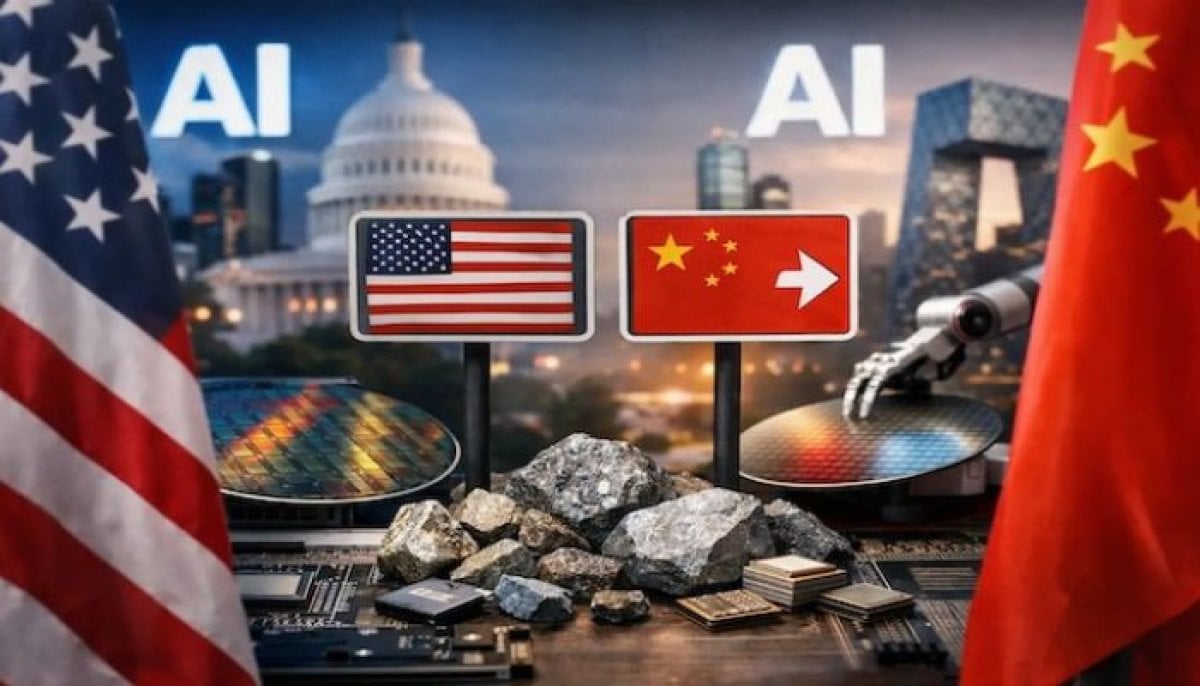 China proposes tighter AI export controls amid US rivalry
 -
 WhatsApp tests new way to request someone's location
 -
 China’s Tencent warns AI agents aren’t browsing the web as expected