Europe risks falling behind in space defence, experts warn
Europe lacks capability to evaluate any possible danger in space depended on the intelligence provided by its alliance
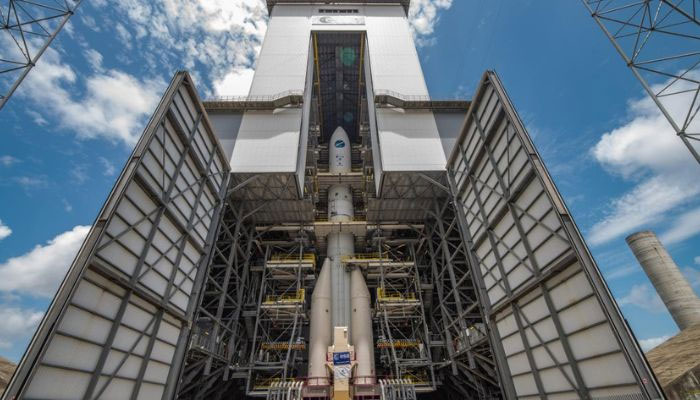
European defence experts are sounding alarms about the continent's reliance on external powers for space surveillance. In the absence of constant investment in SB-SSA technology, Europe lacks the capability to evaluate any possible danger in space and prepare itself against such threat without depending on the intelligence provided by either the US or China.
"We cannot defend ourselves against what we cannot see," experts emphasise, "and we cannot hope to plan sensibly for space defence if we are unsure, exactly, of the threats we face in orbit."
Space-based optical systems have strategic and technical benefits since they are more protected from the influence of the atmosphere, can observe any object at all orbital altitudes at once, and work without borders in international waters.
European optics currently have the ability to spot objects just a few centimetres in size at a distance of 10 kilometres, which is equal to that of the world's best optics.
In 2025, optical space-based space situational awareness (SB-SSA) accounted for 35% of the market of a $658 million space surveillance market. Explosive growth of SB-SSA in the near future is predicted by experts.
Government procurement is biased in favour of national champions and against innovation and disruptive technology by small companies. "We need European governments to end the habit of backing national champions and using the past to predict the future," experts argue. New procurement practices must enable small and medium businesses to grow and innovate unhindered by bureaucratic processes.




-
 OpenAI, Anthropic and Google join forces on AI safety efforts
 -
 Meta to deploy custom Arke and Astrid AI chips in 2027: Everything to know
 -
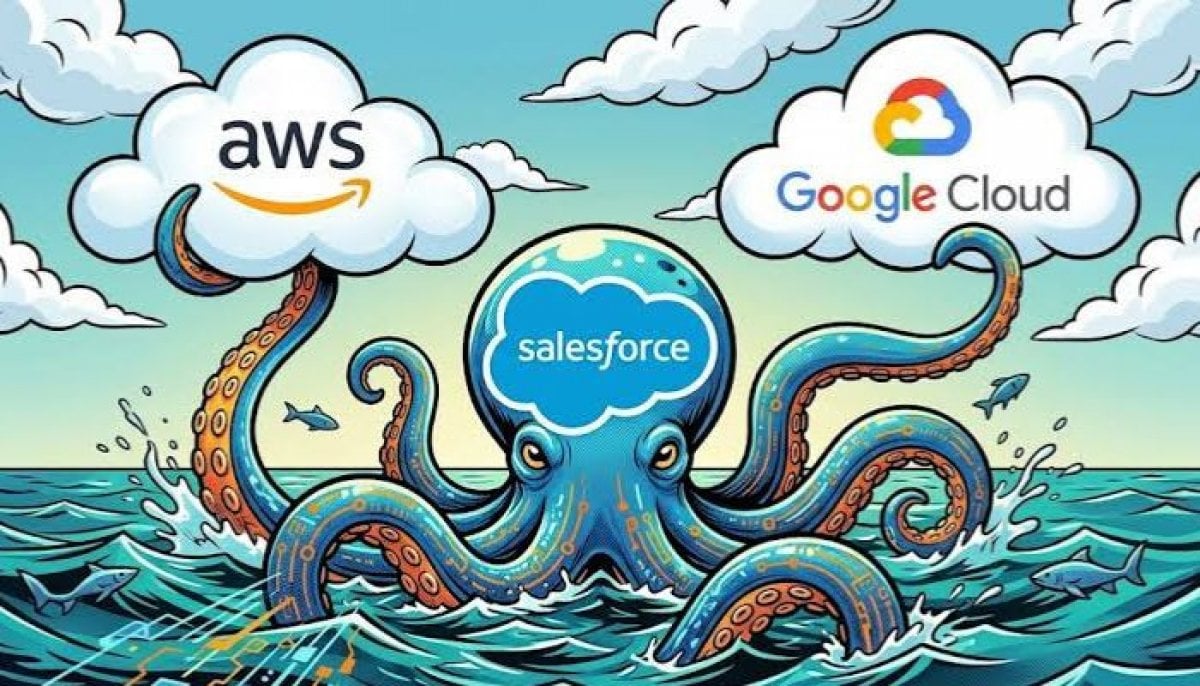 Dreamforce 2026: Salesforce unveils Koa AI model and Google Cloud partnership
 -
 EU Kids Act: New social media rules for under-15s
 -
 China’s spy chief reveals growing fears over AI’s impact on communist party rule
 -
 Anthropic's new Claude tool targets financial advisors to streamline compliance and client research
 -
 Elon Musk’s bold AI safety idea: 'Let rivals test each other’s models'
 -
 Former Google DeepMind researcher warns autonomous AI could wipe out humanity amid industry-wide safety alarm