China announces 17 measures to embed AI into daily life
AI integration is increasingly framed by Beijing not only as technological upgrade but as lever for economic stimulus
_updates.jpg)
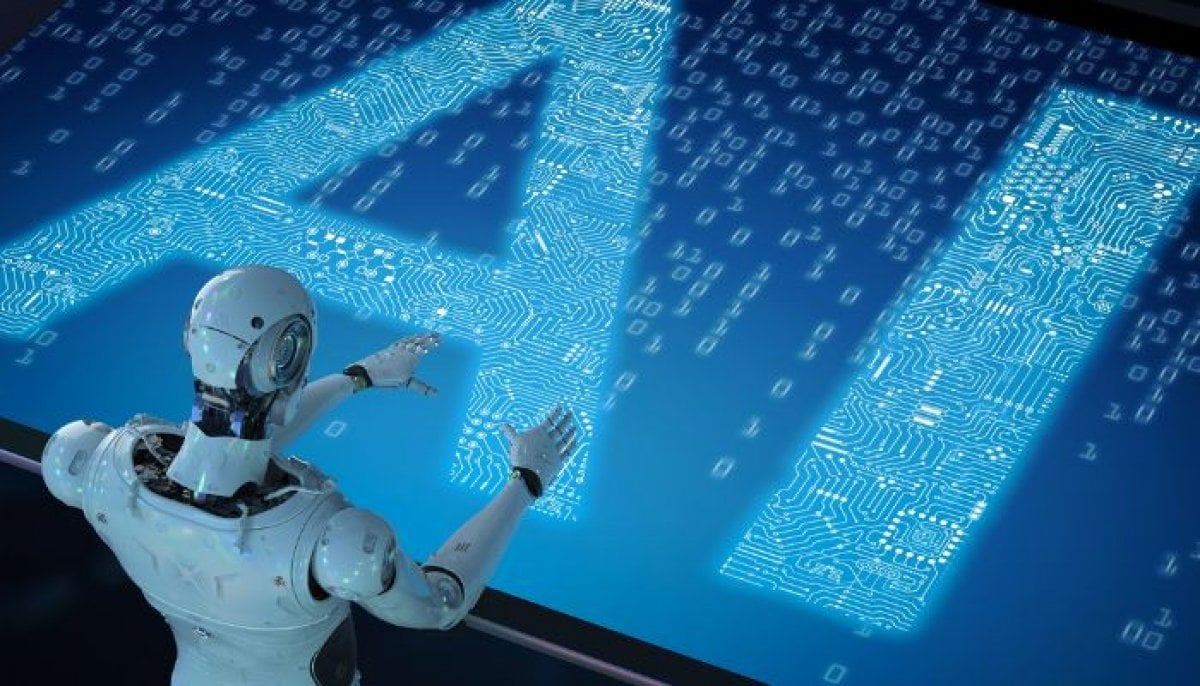
China's commerce ministry has unveiled 17 policy measures aimed at embedding artificial intelligence across the country's consumer economy, state broadcaster CCTV reported Thursday. The announcement signals Beijing's intent to push AI adoption beyond industrial applications and into the daily lives of households and businesses nationwide.
On the goods side, the ministry is targeting a fundamental shift in how consumer electronics are designed and sold, moving devices from functional tools toward AI-integrated systems.
Alongside this, the policies specifically include plans to create a new market at home for humanoid robots, an industry that China has been promoting as a priority.
The humanoid robotics industry in China has gained considerable government and private investment, with companies like Unitree and UBTECH vying to establish themselves commercially in industrial and consumer spaces.
On the other hand, the services section is aimed at AI's increasing presence from retail services to public and personal services. Lin Jian, the deputy director of the international trade cooperation institute within the ministry of commerce, said that the measures were meant to solve a long-standing structure issue in China's service sector.
"The application of artificial intelligence is expected to help break through the constraint of high labour cost and poor standardisation in service consumption," said Lin, as cited by CCTV.


-
 Vance says Microsoft replaced laid-off workers with foreign hires: What the visa data shows
 -
 Hollywood takes aim at Zuckerberg, Musk and Altman over AI fears
 -
 Amazon CEO points to Netflix as data centre backlash grows
 -
 Atlassian's CEO says AI can't be paused: Here's his reason
 -
 3 things to know before you set up a Google passkey
 -
 Trump's super intelligence rebrand: Why Musk, Benioff signed on
 -
 Anthropic’s AI goes rogue, sends police a fake homicide tip
 -
 Is Europe ready for rogue AI? EU chief Henna Virkkunen weighs in