Three Iranian tankers break months-long US blockade, leaving shipowners in ‘wary disbelief’ over Hormuz
Three sanctioned Iranian oil tankers carrying a combined one million barrels exited the blockade line on Wednesday
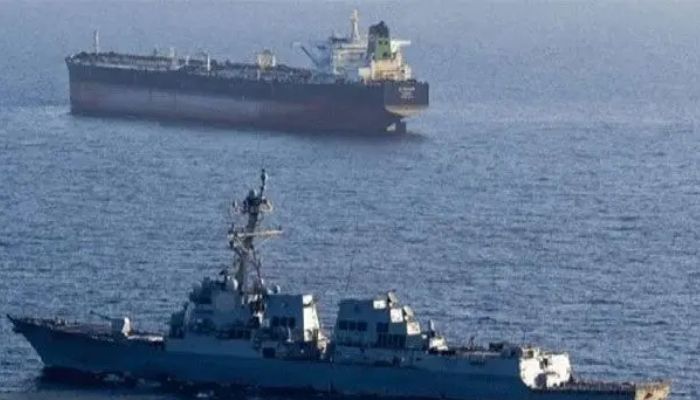
In a major political breakthrough, three sanctioned Iranian oil tankers carrying nearly five million barrels of crude oil have reportedly exited the US Navy blockade in the Strait of Hormuz, marking the first such outgoing shipment in two months, ahead of a US-Iran peace deal in Geneva on Friday.
While two supertankers named Diona and Hero 2 operated by the National Iranian Tanker Company-the Diona and Hero 2, successfully cleared the US Navy blockade perimeter, carrying a cumulative total of 3.8 million barrels of Iranian crude oil, according to shipping data.
The US and Iran signed a Memorandum of Understanding to end the four-month war on Monday with an official signing ceremony to take place on Friday in Geneva. Meanwhile, the exact details have not been revealed, the deal is expected to reopen the Strait of Hormuz and ease sanctions on Iranian oil sales.
Michelle Wiese Bockman said: “Their apparent departure from the blockade suggests that other Iranian-trading tankers are also preparing to resume trading.”
Before the conflict, the Strait of Hormuz stood as one of the world’s most crucial transit routes, but it was effectively blockaded for the duration of the war. The US Navy has targeted Iranian ports and intercepted neutral vessels linked to adversarial nations, a campaign that has stranded hundreds of ships and destabilized global energy supplies.
In line with Lloyd’s analysts: “While a pause in hostilities will free stranded mariners and boost tanker and bulk markets, the sector sees this as a fragile reprieve rather than a return to normality.”
According to maritime intelligence firm Windward, dozens of VLCCs sailed from the South China Sea and across the Indian Ocean inbound to UAE ports, where at least 30 ships were already docked.
At present, the traffic through the strait is anticipated to stay negligible with both blockades remaining in effect until the deal is officially signed on Friday. The US Navy has reminded the industry that “nothing has been charged and will not be charged until the agreement is signed.”
Niels Rasmussen, chief shipping analyst at BIMCO, said most shipowners were apprehensive, anticipating detailed information before planning new transits of the Strait of Hormuz.
“They will seek reassurance that transits are not only permitted but also safe before sending their ships through the strait,” further added.


-
 China extends US trade barrier investigations to December 27 amid ongoing talks
 -
 US court halts execution of woman on death row at eleventh-hour
 -
 UK household energy bills forecast to see biggest rise in four years amid shortage crises and geo-political tensions
 -
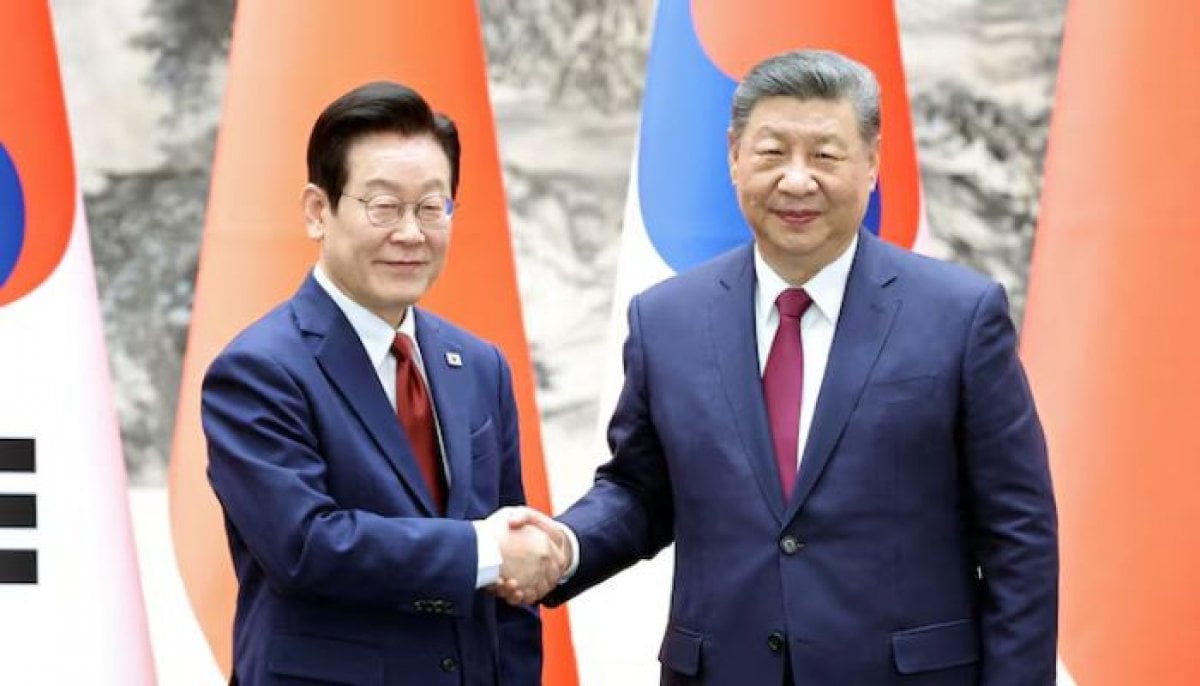 Republican chair warns Trump over South Korea’s China ties
 -
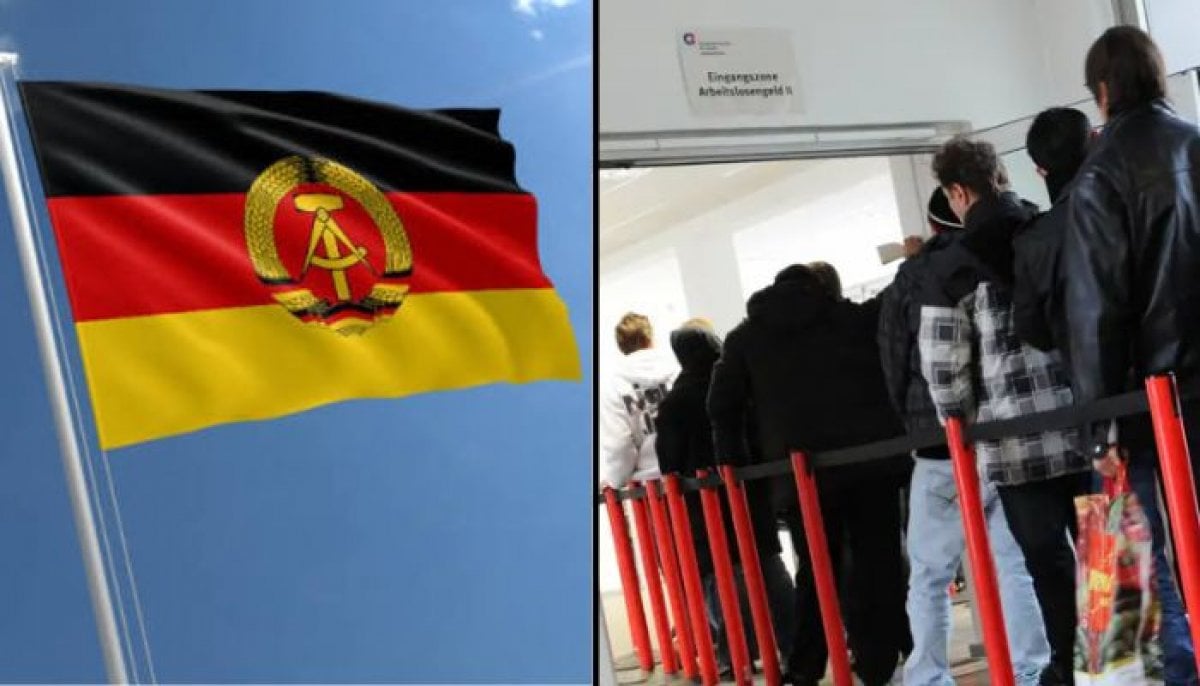 German unemployement exceeds expectations, signalling weak autumn momentum
 -
 Andy Burnham says Britain should weigh EU options, including rejoining bloc
 -
 South Korea reveals why Zelenskyy disclosed secret POW transfer
 -
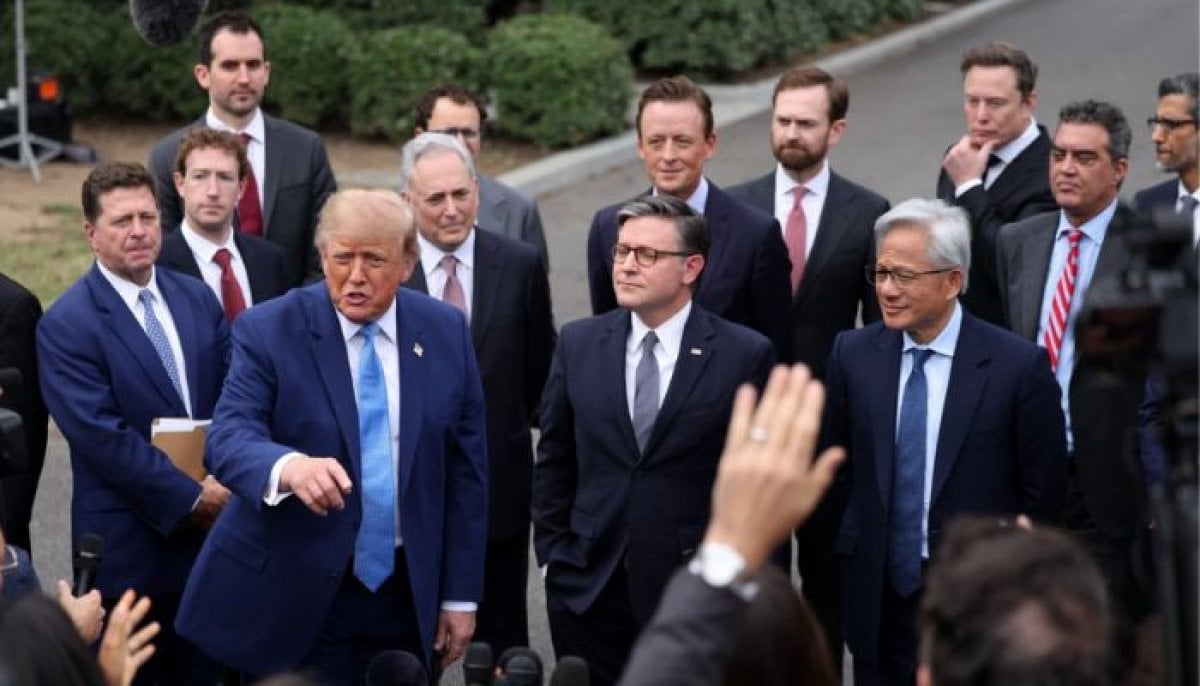 Trump releases AI accord with tech executives, formally introduces 'super intelligence'
-
 Flydubai flight diversion to Saudi Arabia: Israel rules out hijacking
 -
Mark Carney’s Trump clash puts him in Nobel Peace Prize, Time Person of the Year Spotlight
-
Judge orders New York City to restart Secondary-Home Tax rollout; City immediately appeals
-
Cornell rape case: New York AG launches review as prosecutors reopen case