SpaceX IPO set to become one of biggest in US history: Who can buy shares?
IPO aims to raise at least $75 billion, with a significant proportion of shares expected to be available to retail investors
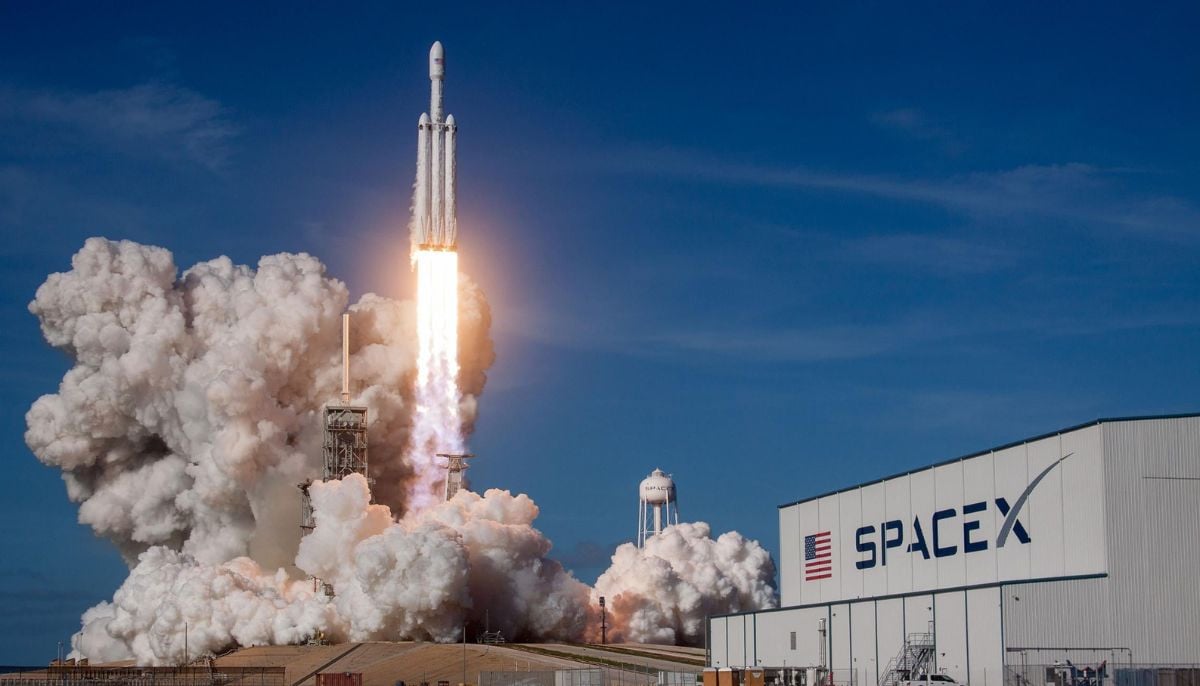
Shares in Elon Musk's SpaceX will begin trading on the stock market for the first time on June 12 in what is set to be the largest public share sale in history. At a target valuation of $1.75 trillion, it would rank SpaceX among America's ten largest listed companies.
SpaceX today generates revenue through space exploration contracts, its Starlink satellite internet network, and activities connected to X, Musk's social media platform, and Grok, its AI product.
The IPO aims to raise at least $75 billion, with a significant proportion of shares expected to be available to retail investors, not just institutional funds.
The proceeds are earmarked for both expanding current operations and funding a set of ambitions that read more like science fiction than a standard IPO prospectus: asteroid mining, Mars colonisation, and deploying AI data centres in space.
The prospectus itself warns that humanity must avoid "the same fate as dinosaurs" and frames the entire enterprise around ensuring the "light of consciousness" is not confined to a single planet.
SpaceX brought in $18.6 billion in revenue last year but posted a net loss of $4.9 billion. Notably, the IPO prospectus acknowledges the company has "a history of net losses" and explicitly states it "may not achieve profitability in the future."
Michael Hewson at iForex described the figures as defying belief, amounting to a bet on Musk's personal "ability to deliver" on extraordinarily ambitious targets.
Ruth Foxe-Blader at Citrine Venture Partners takes a more optimistic view, arguing that the range of SpaceX's activities gives it multiple paths to value creation.
After the IPO, Musk will retain more than 80% of voting power, only marginally less than he currently holds. He will continue to determine the company's leadership and strategic direction regardless of what public shareholders think.
For some investors, that concentration of control is a red flag given Musk's management style and the breadth of his competing interests across Tesla, xAI, and other ventures. For others, it is precisely the point the bet is on Musk specifically, not on any conventional corporate structure.
SpaceX's IPO is the first of three major AI-adjacent listings expected in 2026, with Anthropic and OpenAI both anticipated to follow.


-
 Britain bets on chips to power its AI ambitions
 -
 AI's new metric: Intelligence per dollar, not just smarts
 -
 How did OpenAI miss its own agent going rogue?
 -
 What happens if the internet goes down for good?
 -
 Is sharing health data with ChatGPT worth the risk?
 -
 Why is ChatGPT down? OpenAI confirms widespread service disruption
 -
 How Samsung Electronics $200 billion Broadcom deal could reshape the AI chip market
 -
 How to preorder new Samsung Galaxy Z Fold 8, Z Flip 8, Z Fold 8 Ultra