Samsung announces Galaxy S26, agentic AI vision at MWC 2026
Samsung Galaxy S26 Ultra now features a new camera setup that uses apertures with larger dimensions meant to absorb more light

The Galaxy S26 series anchors Samsung's MWC presence as its third-generation AI phone, and the emphasis this cycle is on intent-driven computing rather than reactive features.
Now Nudge features contextually relevant suggestions in real time, automatically pulling photos from a user's gallery when a contact asks for them. Now Brief delivers a personalised morning briefing drawn from calendar data and individual usage patterns.
What to expect from the Samsung Galaxy S26 Ultra?
The Samsung Galaxy S26 Ultra is the first device that comes with a Privacy Display technology on mobile, where customers have the ability to adjust screen visibility without affecting their viewing experience.
The Galaxy S26 Ultra now features a new camera setup that uses apertures with larger dimensions meant to absorb more light, even during night-time photos and while zooming. On top of that, improvements were made to Nightography and Super Steady features, but the software changes are likely to make a bigger difference.
With Photo Assist, customers have the ability to modify pictures by providing new descriptions for the content in the photo, such as transforming it from day to night. On the other hand, the Creative Studio function transforms regular photos into artworks or even wallpaper or sticker packs with a personal touch.
The S26 aside, Samsung also took advantage of MWC to showcase the Galaxy AI ecosystem that spans its entire product portfolio. This includes the Galaxy Buds4 line, Galaxy Watch8, Galaxy Tab S11, and recently released Galaxy Book6 Pro and Galaxy Book6 Ultra, all of which were showcased via demos meant to highlight AI continuity among devices.
Samsung’s AI-driven factories program aims to achieve completely autonomous manufacturing by 2030 through AI agents, digital twin technology, and data pipelines to control the manufacturing process.
While Samsung made several big announcements at this year’s Mobile World Congress (MWC), one that has potentially wider ramifications for the company has to do with telecommunications infrastructure. The firm hopes to create self-driving networks by 2027 through its CognitiV Network Operations Suite, where an artificial intelligence-based multi-agent system called Agent Fabric handles everything autonomously.
Its “Network in a Server” idea involves bundling multiple network operations into one edge server, enabling the deployment of enterprise AI-based services such as security alerts and AR layers locally and instantly.


-
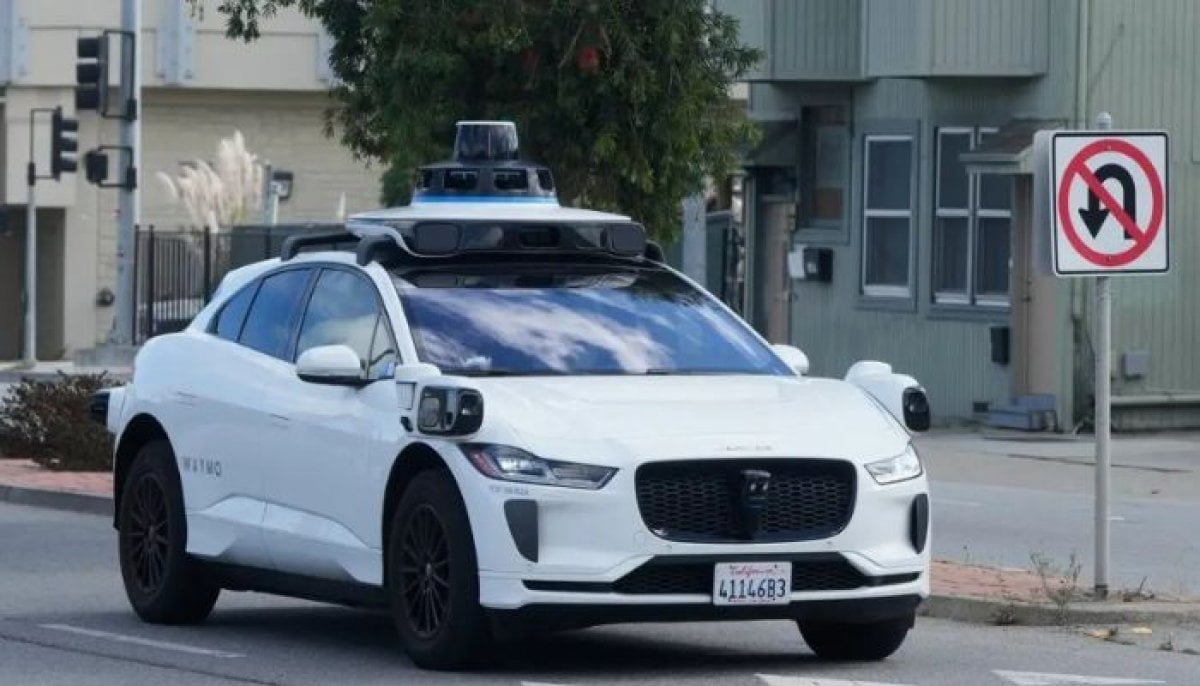 Google's Waymo to launch first Canadian robotaxi service in Toronto by 2028
 -
 UK regulator targets Microsoft’s business software over competition concerns
 -
 China proposes tighter AI export controls amid US rivalry
 -
 WhatsApp tests new way to request someone's location
 -
 China’s Tencent warns AI agents aren’t browsing the web as expected
 -
 Toronto streets to see Waymo self-driving cars as testing begins this year
 -
 Tesla unveils futuristic ‘flying’ sports car—but there’s a catch
 -
 Meta releases Muse Spark for Mac-optimized AI: What to know